

From lagers to IPAs to stouts, there’s pretty much a beer style for everyone. But how do you match up your favorites with foods that will complement them? Our helpful Beer & Food Pairings guide offers recommendations on the best pairings to help you elevate your next meal.

I moved to Oregon with Marlynn more than 30 years ago. So, I was fortunate enough to be here during the heyday of the city’s craft brewing scene.
Back then, you couldn’t walk two blocks without running into a local brewery. And let’s just say, I did a lot of hands-on research back then to hone my palate.
Over time, I not only discovered what beers I liked best, I also developed a sense of which brews went well with various kinds of foods.
With so many styles available, it’s exciting to hit on dishes that perfectly pair with your favorite ones. But if you prefer to take the guesswork out of it, we’ve got you covered.
This easy-to-use Beer & Food pairing guide will help you find the best dishes and ingredients that go with popular styles of beers, from Pilsners and other lagers to IPAs, porters, and stouts.
Table of Contents
Food & beer pairings: a brief history
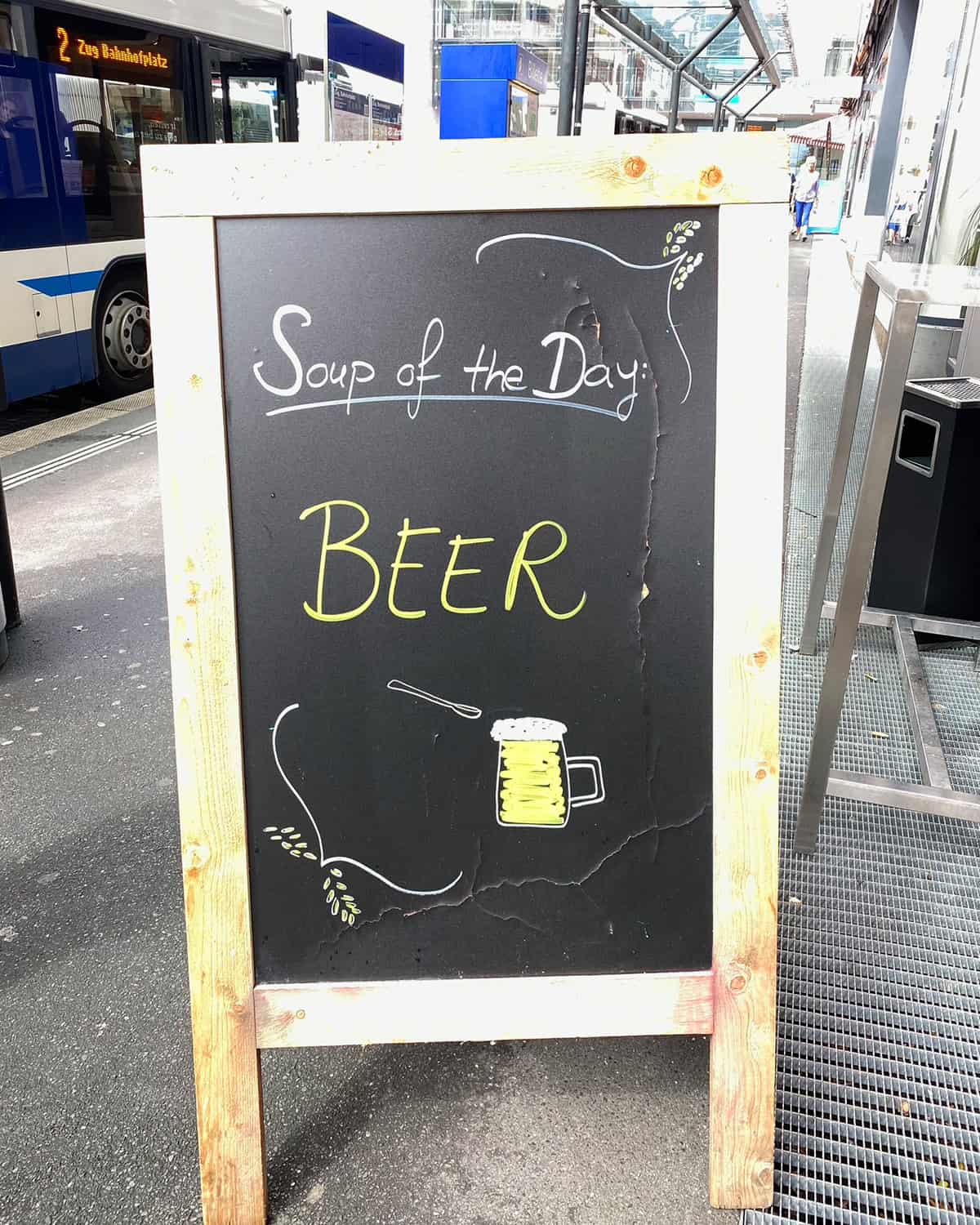
The origin of beer stretches back thousands of years. But back then, beer wasn’t paired with food. It was food. In ancient Egypt, beer was seen as part of a basic daily meal, as it was much more hearty than it is today.
Throughout the Middle Ages, monks in Europe would brew strong beer in part to help sustain people through religious fasting periods. It was also seen as a reliable source of everyday calories, and a safer drinking option than many local water supplies.
The first beer and food pairings emerged sort of organically, based on geography and proximity to local ingredients. For example, in southern Germany, people began to consume beer with locally made sausage. In 18th and 19th century London, laborers began drinking porters with locally caught oysters; both of which were inexpensive and geared toward the working class.
It wasn’t until the latter part of the 20th century that food and drink writers began to take the notion of beer pairings seriously. Books emerged that argued beer deserved the same attention to food pairing that wine enjoyed. Soon, specific beer styles were highlighted for their ability to complement grilled ingredients, cut through certain rich foods, or enhance spicy flavors.
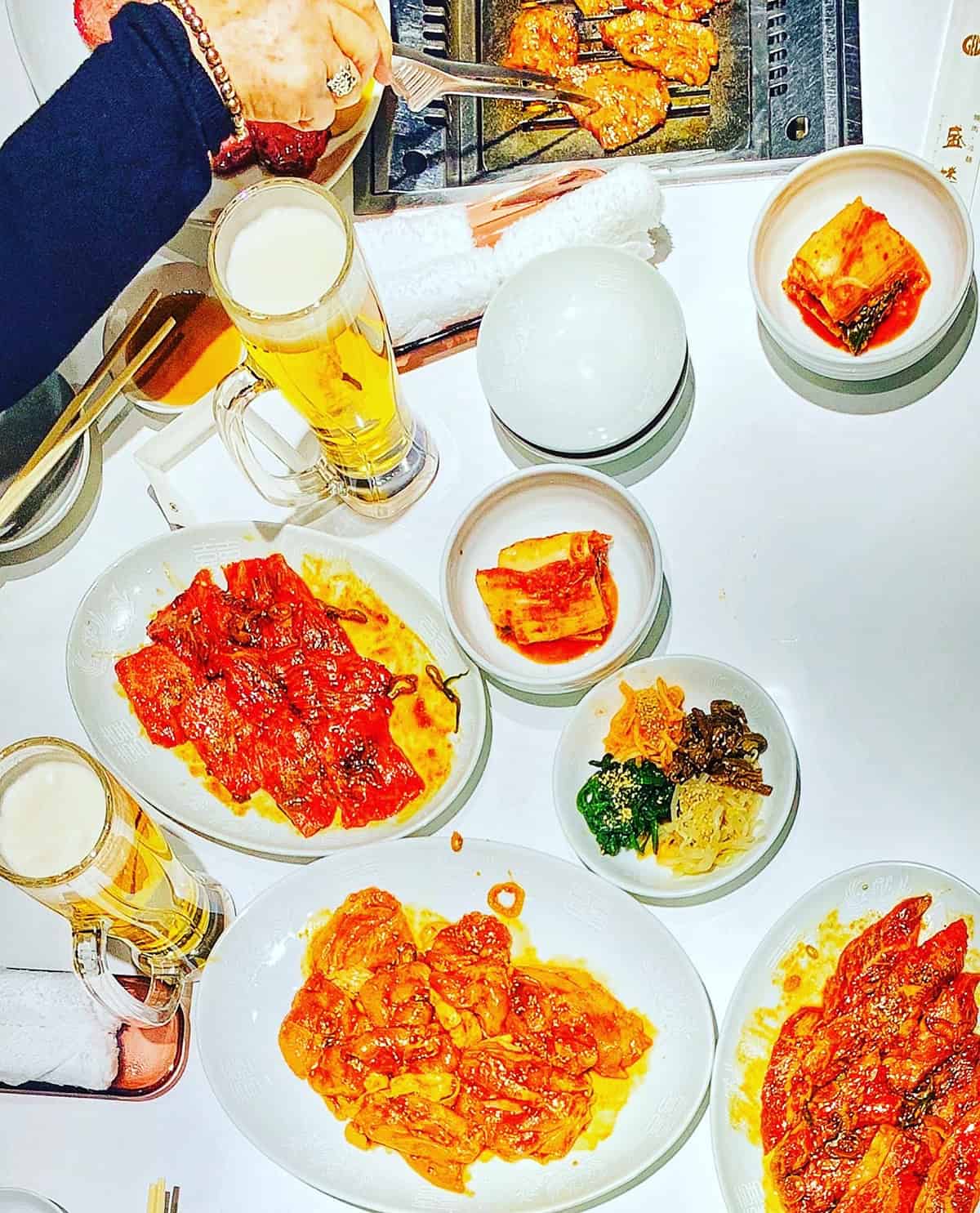
By the early 21st century, craft brewing had taken hold worldwide, offering beer lovers a host of new styles to try and experiment with. Soon, “beer dinners” became a thing, where diners could taste a range of courses paired with specific beers meant to complement them.
Today, certain pairing principles are widely recognized. Warm coffee and caramel flavors in stouts pair well with chocolate, for example. Whereas crisp pilsners and lagers help balance out heavier fried foods.
So how do you know which beer will go well with your favorite foods? Read on!
Best food pairings for light lagers and pilsners
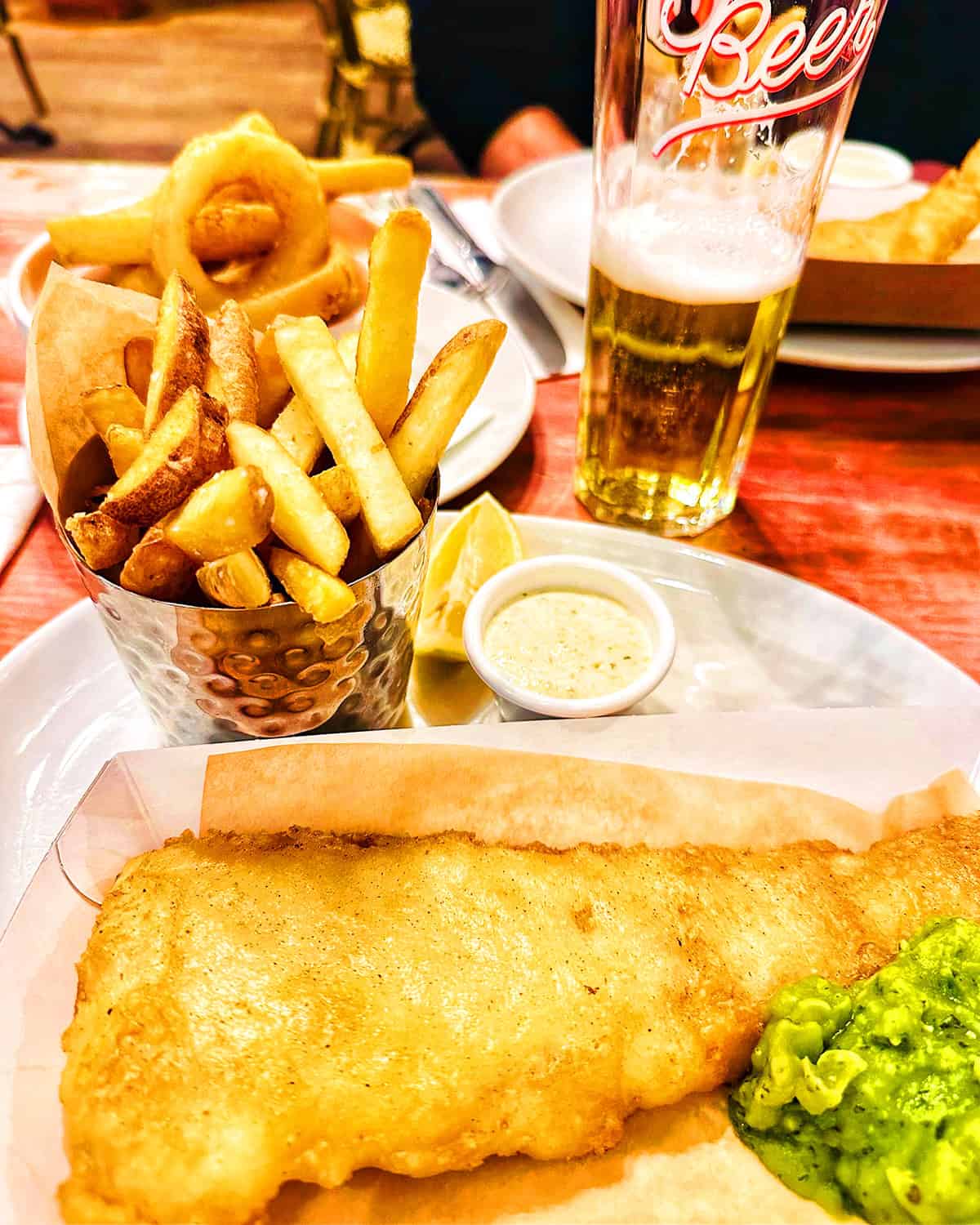
Pilsners are crisp, snappy beers that are usually light golden in color and feature floral, sometimes spicy aromas. They fall under the larger umbrella of beers known as lagers. But whereas all pilsners are lagers, not all lagers are pilsners.
Lagers can be much more varied in style. Some are both light-colored and light tasting. But you can also enjoy dark lagers that feature more yeasty or roasted flavors. For our purposes, we’ll focus on the lighter, smoother lagers.
Here are a few food pairings to try:
Fried and fatty foods
Crisp, bright pilsners and lagers are a classic go-to with fried and fatty dishes like fried chicken, fish and chips, fries, and tempura. The carbonation and slight bitterness in these beers help cleanse the palate between bites and make these types of foods feel less heavy.
👉🏼 Try it with: Crispy Air Fryer Chicken Wings, Zucchini Fries, Filipino Egg Rolls (Lumpia)
Grilled, salty, and cured foods
If you’ve ever been to the ballpark, it’s no wonder these types of beers are popular there. Pilsners go great with all things salty, grilled, and cured, like brats, charred burgers, pretzels, and chips. The clean flavor of the beer contrasts with the char on grilled foods, and it helps balance out the saltiness in snacks and sausages.
👉🏼 Try it with: Grilled Bratwurst, BBQ Bacon Cheeseburger, Soft Pretzel Bites
Lighter seafood
The light flavors of pale lagers and pilsners won’t overpower those found in more delicate seafood dishes like clams, shrimp, ceviche, and sushi.
👉🏼 Try it with: Shrimp Tacos, California Sushi Bowls, Tequila Lime Shrimp
Mild spicy foods
The slight sweetness and brisk carbonation of these beers can help lessen the heat caused by capsaicin in spicy foods. It’s one of the reasons why lagers are so popular throughout Southeast Asia and parts of Mexico, where spicy dishes can be more prevalent.
👉🏼 Try it with: Thai Red Curry Pasta, Kung Pao Chicken
Best food pairings for IPAs
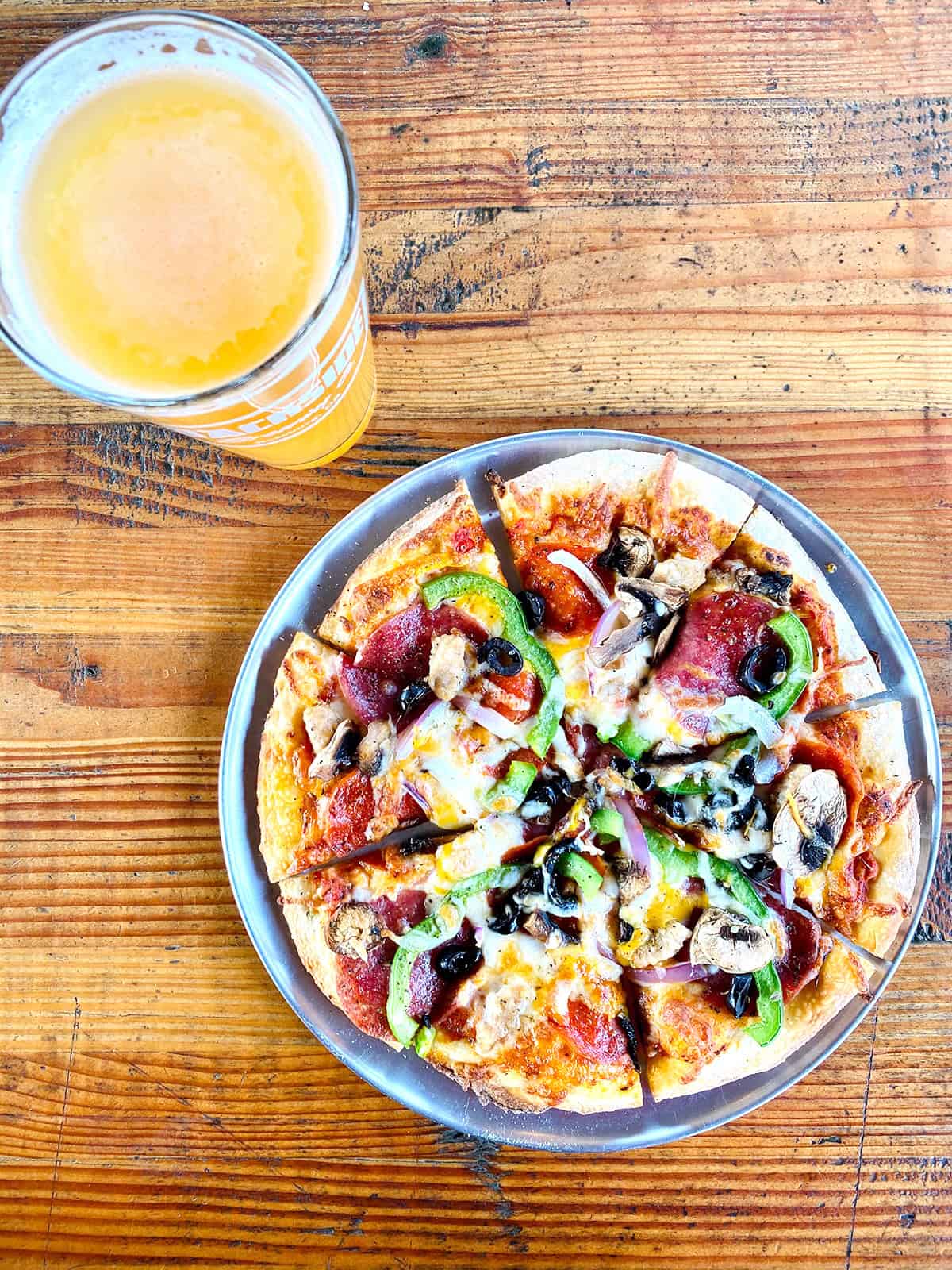
IPA stands for India Pale Ale. It’s a hoppy style of ale with pronounced bitterness and hoppy aromas. It often has a higher alcohol content than other styles of beer, like lagers or lighter ales.
This style of beer is believed to have originated in the late 1700s, when British brewers were looking for a beer that could survive long sea voyages to colonial India. A London brewer realized that an existing, heavily-hopped ale made for cellar aging would be ideal for this purpose. Thus, they became known as India ales.
IPAs gained in popularity in the 1990s through the craft brewing movement in America, where they became a flagship beer. These domestic IPAs are known for their intense pine and citrus flavors, as well as noticeable bitterness, due to the extensive use of local hops in them.
Those attributes can pair well with the following types of foods:
Fatty and rich meats
The bitterness in IPAs can cut through the fattiness in richer meat dishes, and the hop aromas won’t get overwhelmed by smoke or char. That makes them a great choice alongside meat dishes like ribs, pulled pork, barbecue, and duck.
👉🏼 Try it with: Instant Pot BBQ Ribs, Slow Cooker Pulled Pork Nachos, BBQ Chicken Flatbread
Fried foods
Like lagers, IPAs often go great with fried foods. But with these ales, opt for bigger and punchier flavors when it comes to the fried food pairings, such as buffalo wings and seasoned onion rings.
👉🏼 Try it with: Crispy Buffalo Cauliflower, Air Fryer Onion Rings, Curry Samosas
Grilled and caramelized foods
The malty sweetness in these beers can mimic the browning flavors in these types of foods, making for a great complement. Think charred vegetables, roasted carrots, grilled corn, or hard-seared steak.
👉🏼 Try it with: Charred Corn Salad, Garlic Rosemary Roasted Glazed Carrots, Cast Iron Ribeye Steak
Mildly spicy foods
Bitterness and capsaicin reinforce each other, so a very bitter IPA can be unpleasant with super spicy dishes. Instead, choose ones with more subtle spiciness, like mild curries or tandoori. A hazy IPA, which typically is less bitter, is also a good choice here.
👉🏼 Try it with: Thai Curry Pizza, Tandoori Chicken Skewers
Best food pairings for stouts and porters
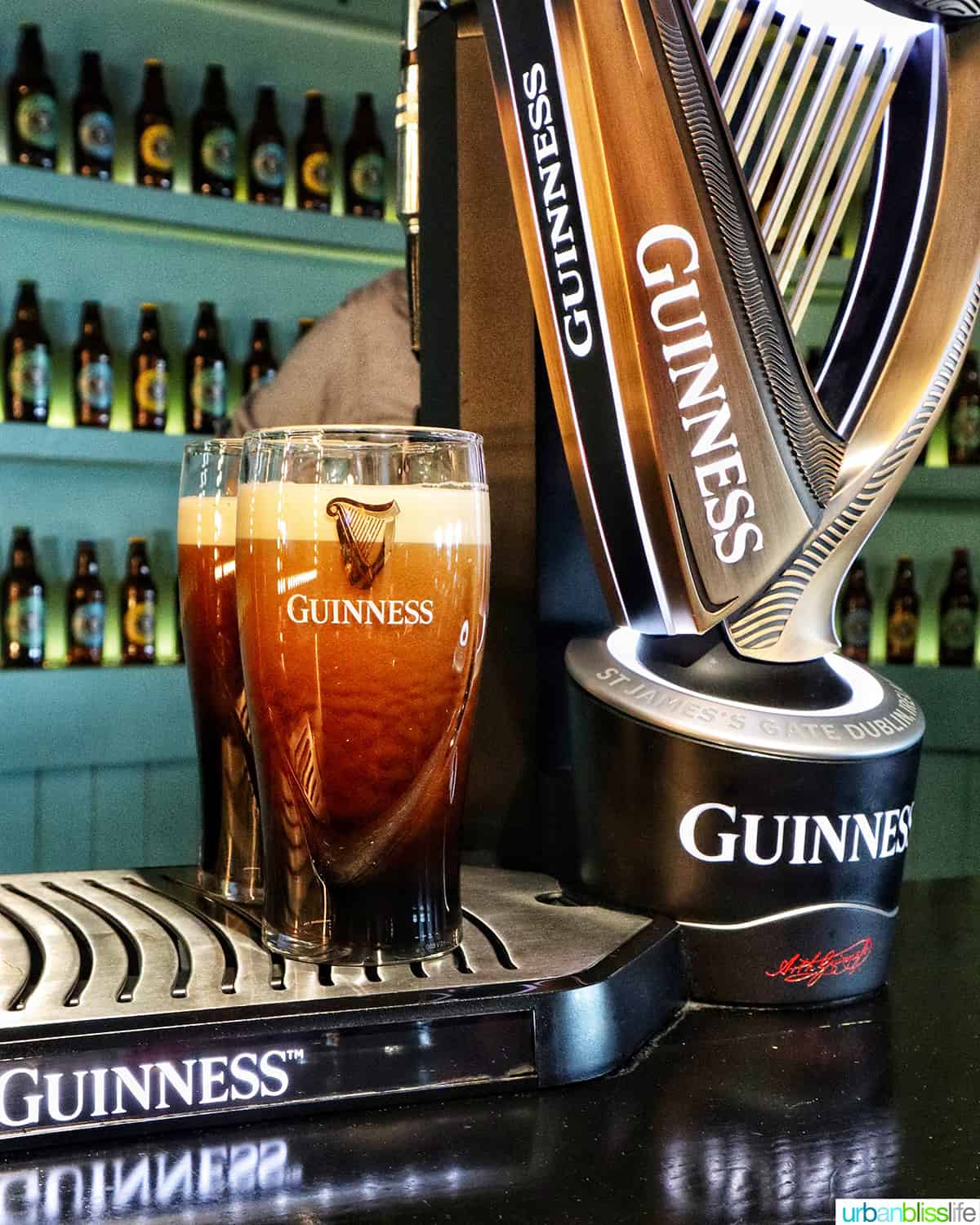
While stouts and porters are typically brewed using different methods, they’re both dark, hearty ales providing comforting flavors of coffee, chocolate, and caramel.
Perhaps the world’s best-known stout is Ireland’s Guinness, known for its smooth, creamy consistency and rich flavors. Because of that, it’s often called a “meal in a glass.”
If you’re looking to pair a stout or porter with an actual meal, here are some suggestions:
Roasted and braised meats
Stouts and stews go hand-in-hand. The classic is the beef and Guinness stew, where the beer is both in the pot and your glass. But the warm, rich notes in this style of beer also go well with dishes like braised short ribs, pot roast, and venison.
👉🏼 Try it with: Irish Lamb Stew, Beer Braised Short Ribs, Dutch Oven Pot Roast
Grilled and smoked
Porters and stouts often have a toasty flavor to them, which goes great alongside char. Dishes like grilled steak, barbecue brisket, or blackened anything are all solid choices.
👉🏼 Try it with: Filipino Grilled Pork Belly, Grilled Honey Garlic Chicken Skewers
Root vegetables and mushrooms
Umami and earthiness are great complements to the dark malt flavors of stouts and porters. This includes dishes featuring foods like mushrooms, roasted beets, caramelized onions, and lentils.
👉🏼 Try it with: Mushroom Marsala, Caramelized Onion and Goat Cheese Bites, Lentil Stew
Chocolate and coffee desserts
This should come as no surprise, but these styles of beers also go very well with certain desserts. Chocolate and coffee-based ones especially complement similar flavors in the beer. Think dishes like Tiramisu, brownies, and chocolate mousse.
👉🏼 Try it with: Dairy-Free Tiramisu, Double Chocolate Coffee Cookies, Mini Brownie Bites
Beer styles FAQ
A pilsner is a type of lager. So all pilsners are lagers, but the reverse isn’t true. Pilsners come in two varieties: Czech and German. Each has a pale, golden color and features noticeable hoppiness. But Czech pilsners have a slightly fuller body and softer malt flavors, whereas German ones are crisper and drier.
Lagers are a broader category of beers that use a specific type of yeast and a cool fermentation method. It involves storing the beer cold for weeks after primary fermentation, which helps mature the beer and makes it cleaner and crisper. Beers made this way can include everything from pale gold pilsners, amber lagers, and black schwarzbiers to strong doppelbocks.
These two styles of beer are very similar. Some people use the terms interchangeably, but there are a few subtle differences. Stouts, like Guinness, tend to use roasted unmalted barley, which provides a dry, coffee-and-chocolate flavor. Porters historically use more brown malt or chocolate malt. That results in a softer, more pronounced chocolatey character. Also, porters are often a bit lighter in body.
IPA is short for India Pale Ale. The name traces back to the 18th century, when British brewers were looking for a style of beer that would stay preserved during long sea voyages to colonial India. They discovered that heavily-hopped ales were able to survive the trip better than others. So the beer became known as India ales.
Hops were not added specially to beer for this purpose, though. Strong pale ales were already being hopped this way for cellar aging. The idea that they could be used for export was the real discovery.
The first mention of the term “India Pale Ale” is often credited to an ad in a Liverpool newspaper that first appeared in the 1830s. IPAs later experienced a resurgence in popularity during the craft brewing heydey in the U.S. in the 1990s and early 2000s.
More Beer Inspiration


Follow on Instagram