

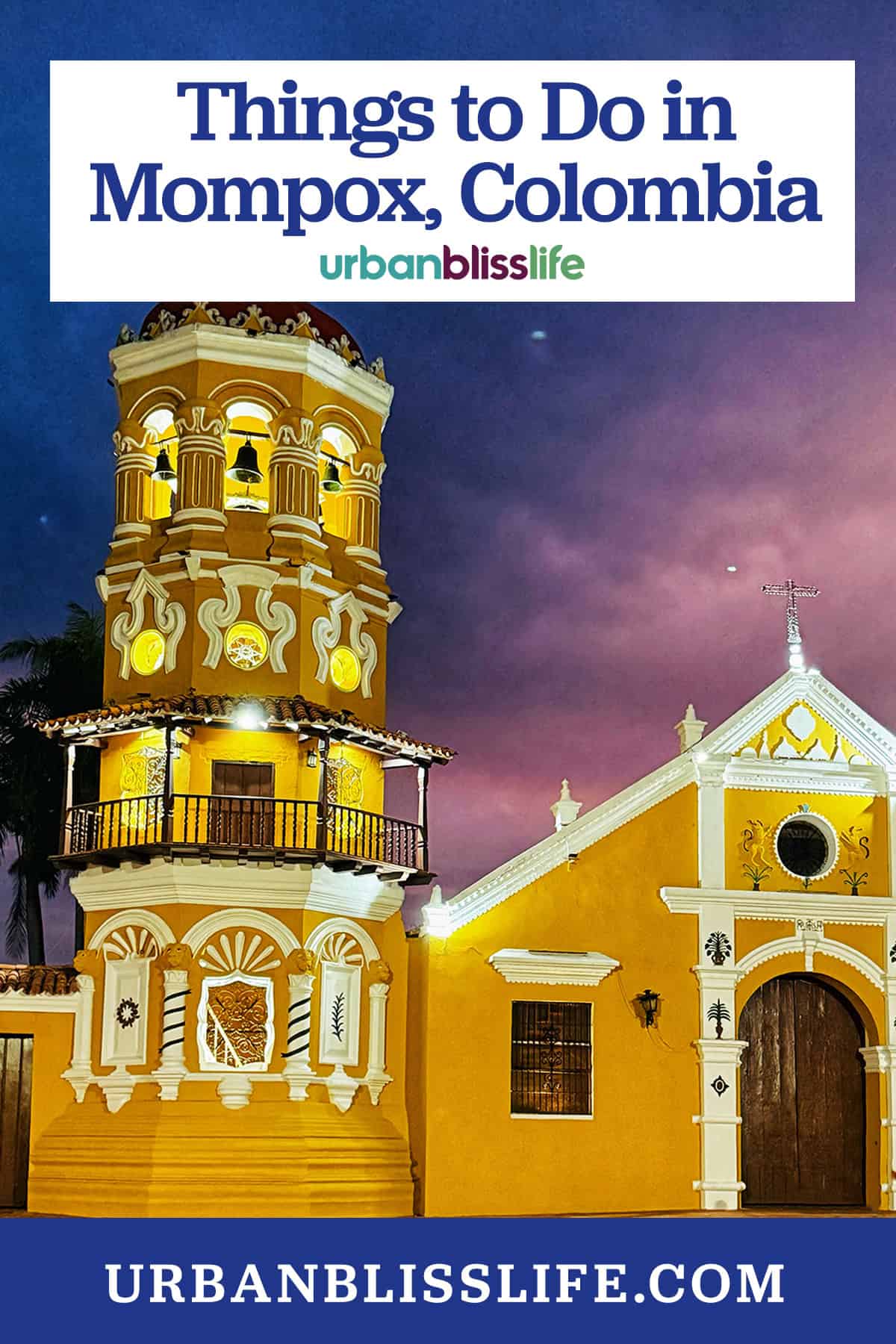
Discover the best things to do in Mompox, Colombia! From historic churches and filigree jewelry to Magdalena River wildlife tours, explore this UNESCO World Heritage colonial gem with our ultimate travel guide.
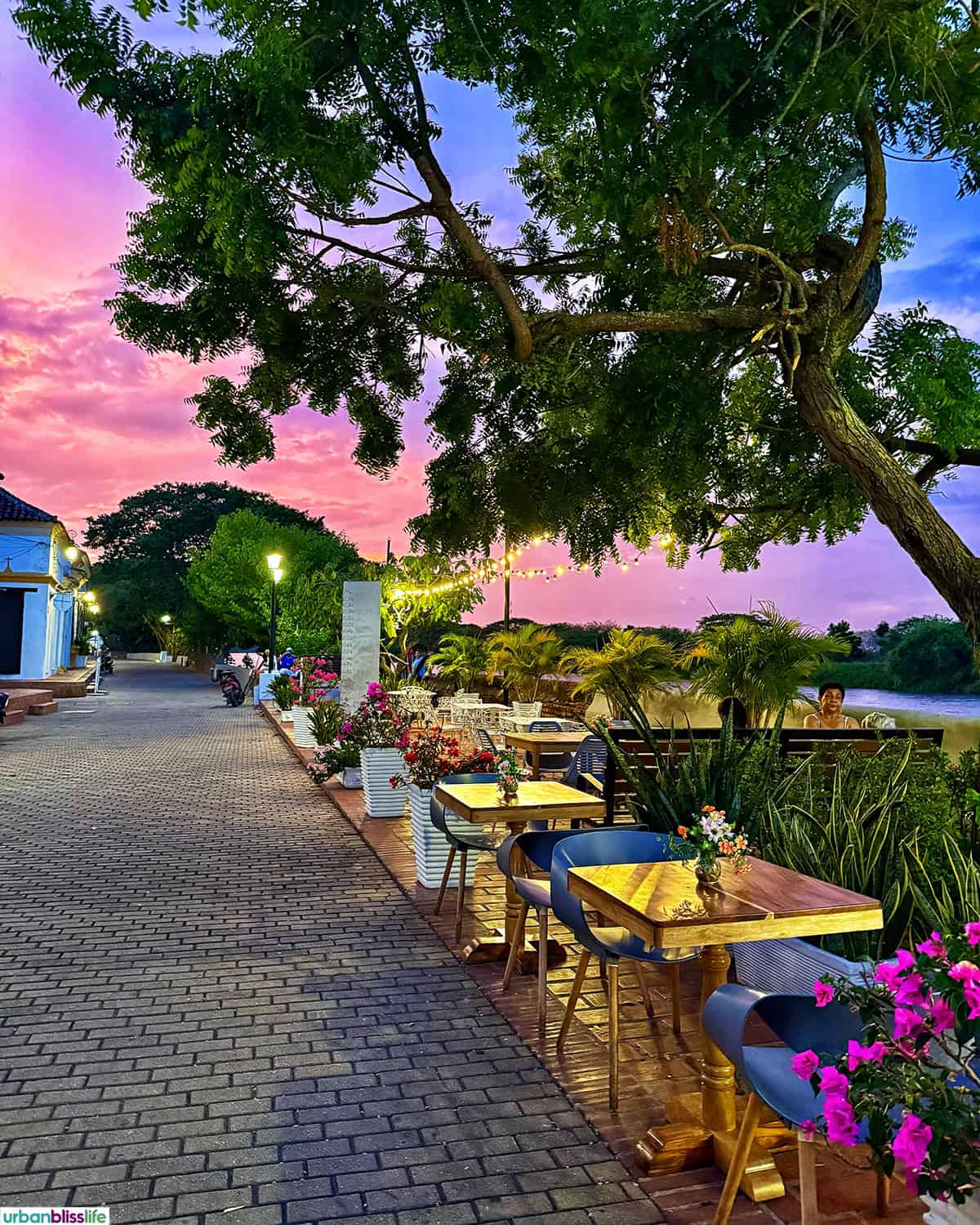
There’s a town in northern Colombia where time moves differently. Where the streets are so quiet you can hear the river breathing, where the churches glow gold in the evening light, and where artisans have been bending silver into impossibly delicate jewelry for centuries. That town is Santa Cruz de Mompox — and if it’s not already on your travel list, it absolutely should be.
Walking the streets of Mompox is like stepping into a real-life Gabriel García Márquez novel. Here, time slows down and the air smells like blooming jasmine and woodfire. Locals watch you curiously and smile back without hesitation.
This is not a place for rushing around. This is a place for wandering, watching, tasting, and simply being. Pack light, leave the itinerary loose, and get ready to fall completely in love.
Whether you’re a history buff, a nature lover, or someone looking to escape the hustle of the modern world, this sweet town offers a peaceful yet soul-stirring adventure that you’ll be talking about for years. I know I will!
Table of Contents
- About Mompox
- The Vibe: slow, magical, unforgettable
- Getting There
- Reserva Natural El Garcero
- Wamaris Jewelry: the art of filigry
- Street art and murals near the riverfront
- River excursions on the Magdalena
- Iconic churches
- Cementerio de Santa Cruz de Mompox
- Where to eat in Mompox
- Where to stay: Hotel Archangelus
- What to pack for a trip to Mompox
- Mompox FAQs
- Book your next trip to Mompox!
- More Colombia travel articles
About Mompox
Santa Cruz de Mompox, Colombia is hot. Very hot. Let’s get that out of the way.
This is Caribbean Colombia, after all, and the sun is absolutely serious about its job.
But during my time in Mompox, I found a certain pleasure in surrendering to the heat in this lovely UNESCO World Heritage river town.
With a population of approximately 45,000 residents, Mompox feels like a tight-knit community where everyone knows their neighbor. The main industries here revolve around tourism, traditional filigree jewelry making, and agriculture—specifically cattle ranching and fishing.
Mompox was founded by the Spanish in 1537 and quickly became one of the most important cities in colonial New Granada. Its position on the Magdalena River made it a critical trading hub. Gold, silver, slaves, and goods all moved through its docks. The city grew wealthy and proud, building churches and mansions that still stand today.
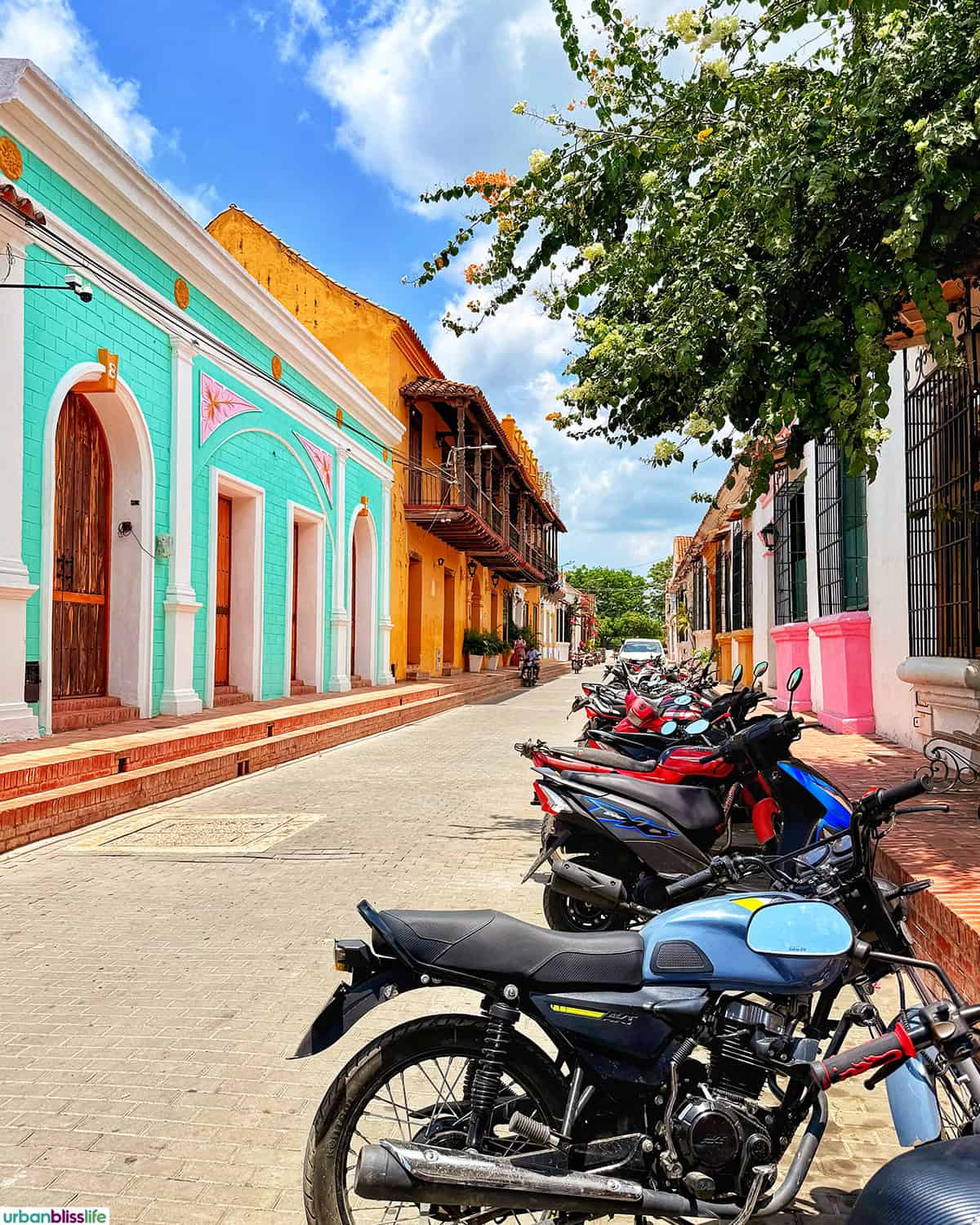
Its UNESCO World Heritage status, awarded in 1995, is well-earned. Unlike so many colonial cities, Mompox was largely bypassed by modern development when the river shifted course in the 19th century. The town was essentially frozen in amber. What you see today is one of the most intact colonial urban landscapes in all of Latin America — and that is extraordinarily rare, and so beautiful.
Mompox also carries a powerful legacy of independence. It was the first city in the Americas to declare full independence from Spain in 1810, six years before Simón Bolívar’s campaigns. The locals are proud of this, and rightly so.
The Vibe: slow, magical, unforgettable
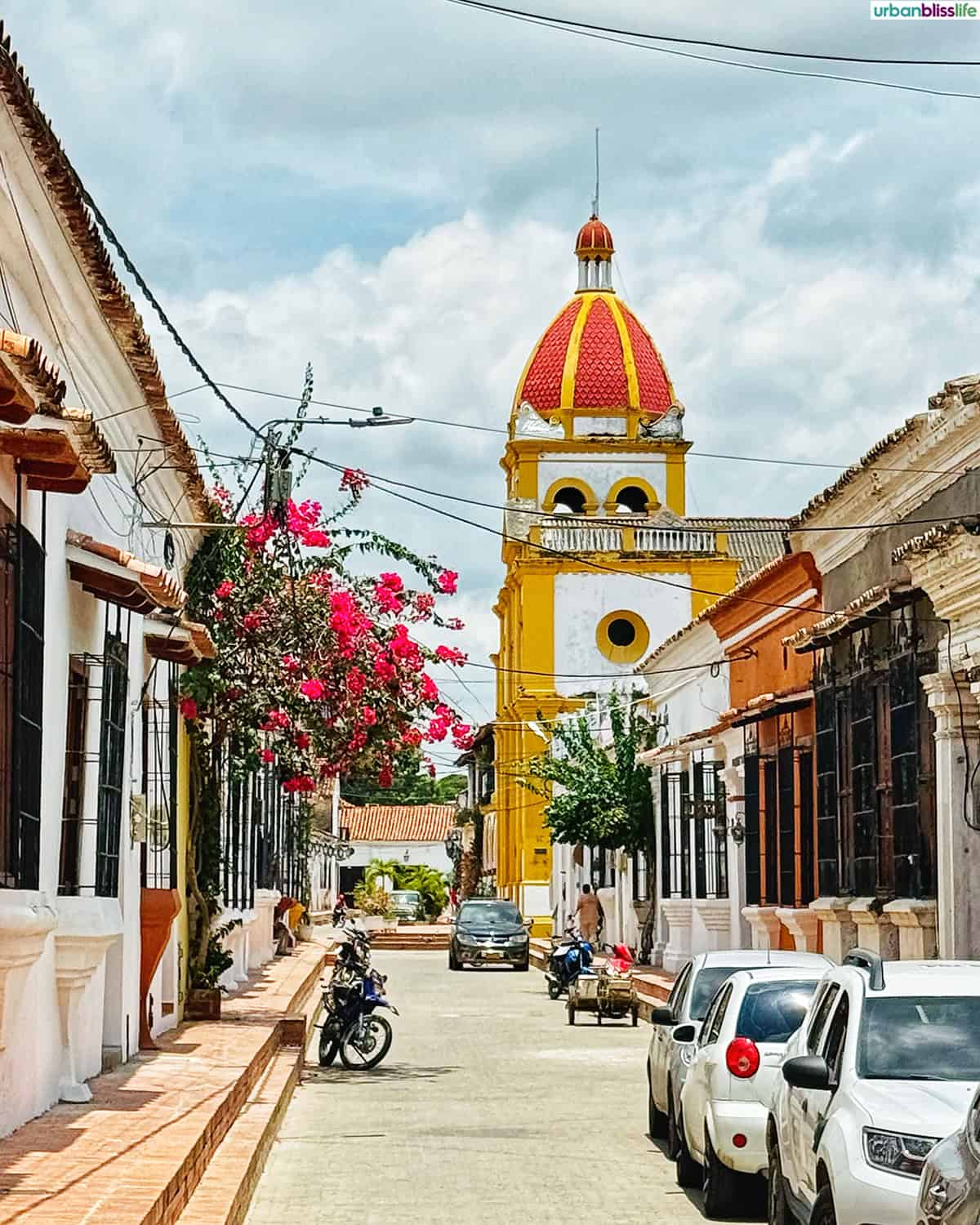
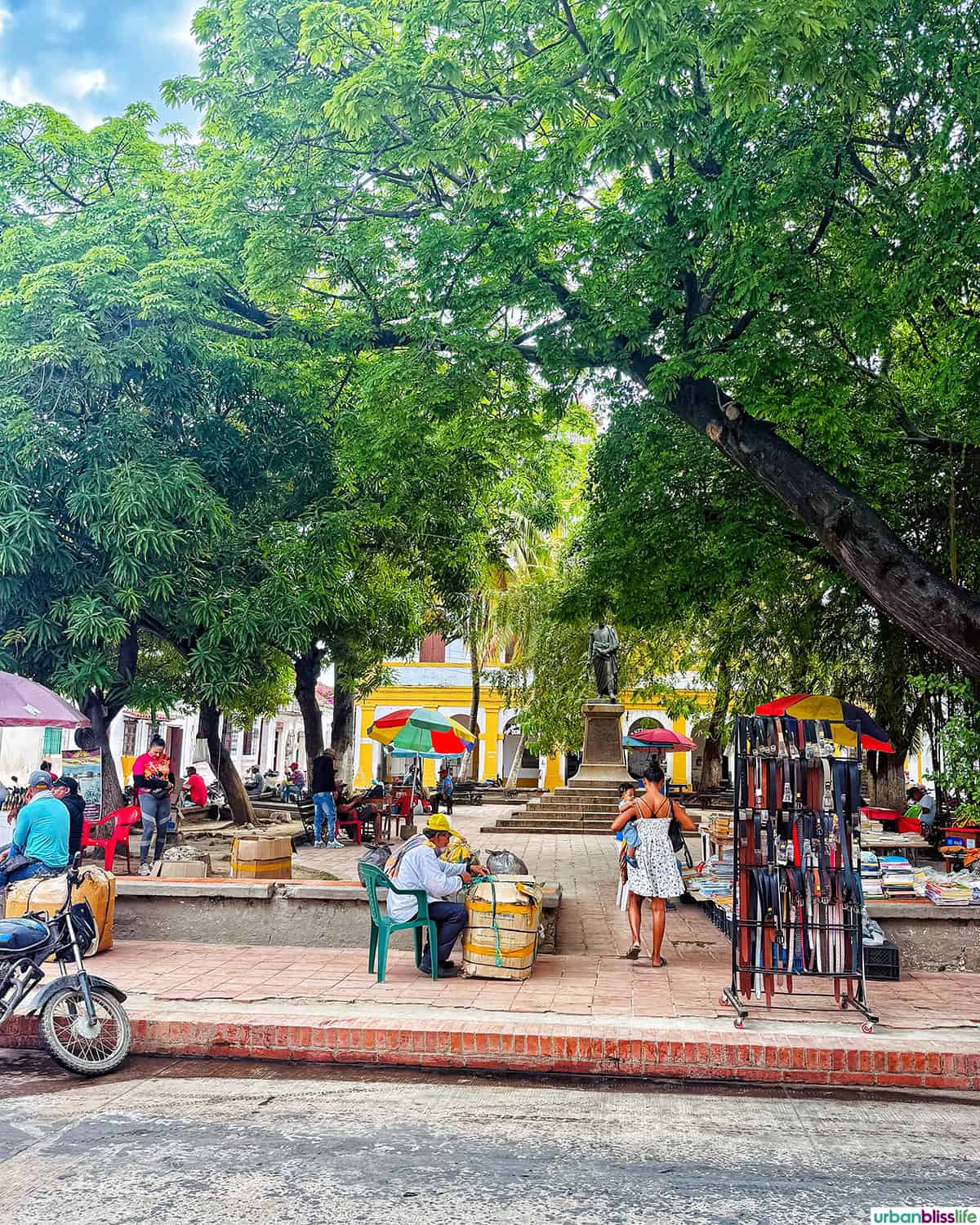
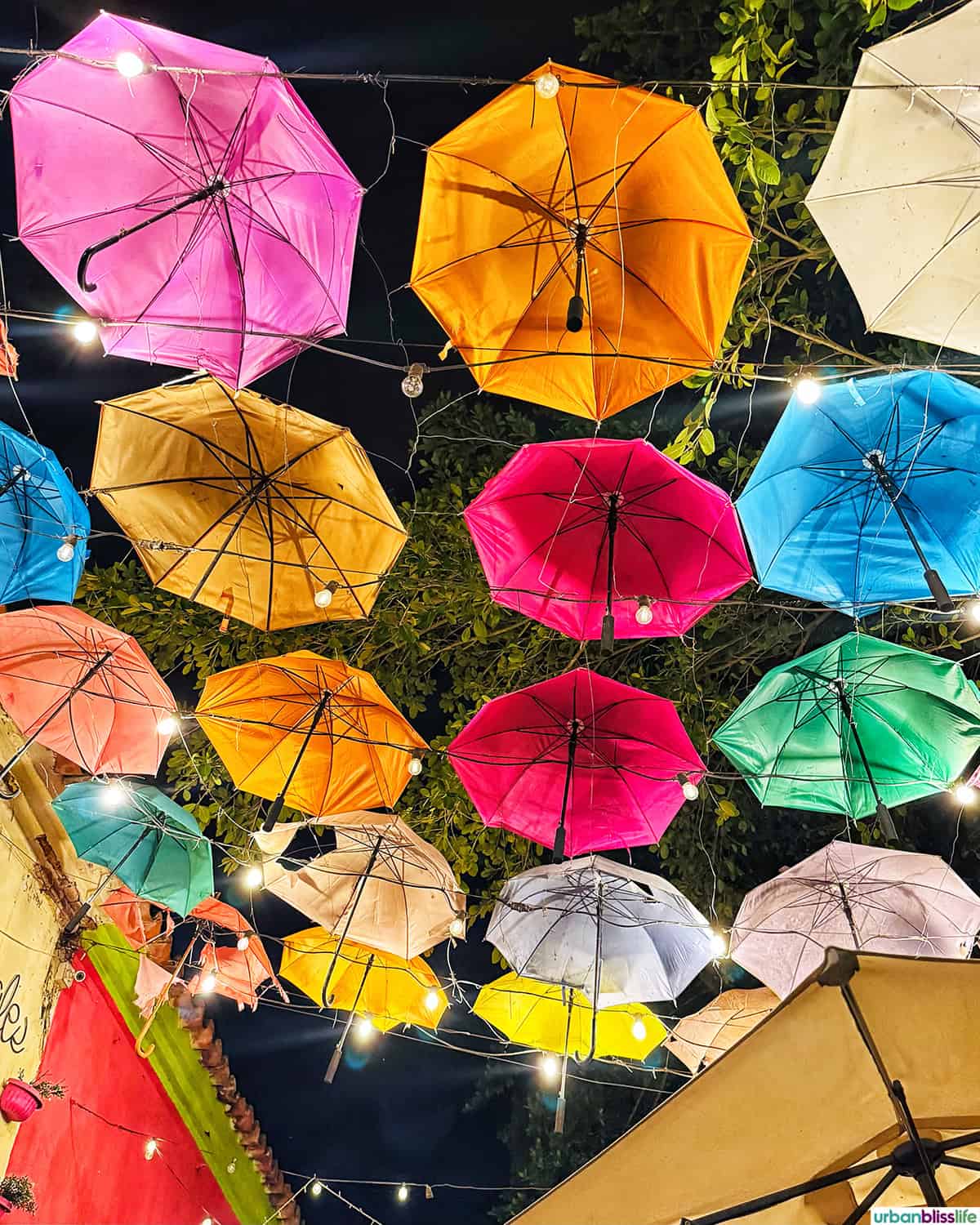
Because of the heat, the town comes alive at dawn and again at dusk. Locals pull chairs out onto the sidewalk, neighbors catch up, and the magnificent riverfront — the Albarrada — lights up with conversation and color.
Street food vendors appear, cold beers are poured, and the whole city relaxes into the evening with a warm, inviting grace.
What really sets Mompox apart, I think, is its authenticity. It’s full of talented local artisans doing actual work, small family-run restaurants cooking recipes that have been passed down for generations, and a community that welcomes visitors with genuine warmth.
When you visit, expect a “Slow Travel” vacation. This isn’t the place for loud, high-octane nightclubs. Instead, it’s for sunset river cruises, long walks through colonial plazas, and sipping cold juice while watching the river flow by. It’s the perfect retreat for couples, solo explorers, and families seeking culture.
Why I love Mompox and think you will, too!

- Colonial charm. UNESCO-protected colonial architecture that rivals Cartagena but without the crowds.
- River sunsets. The sky turns incredible shades of orange over the Magdalena. It’s truly breathtaking!
- Filigree artistry. Watch world-class jewelers weave gold thread like lace for an art dating back 400+ years and recognized as UNESCO Intangible Cultural Heritage
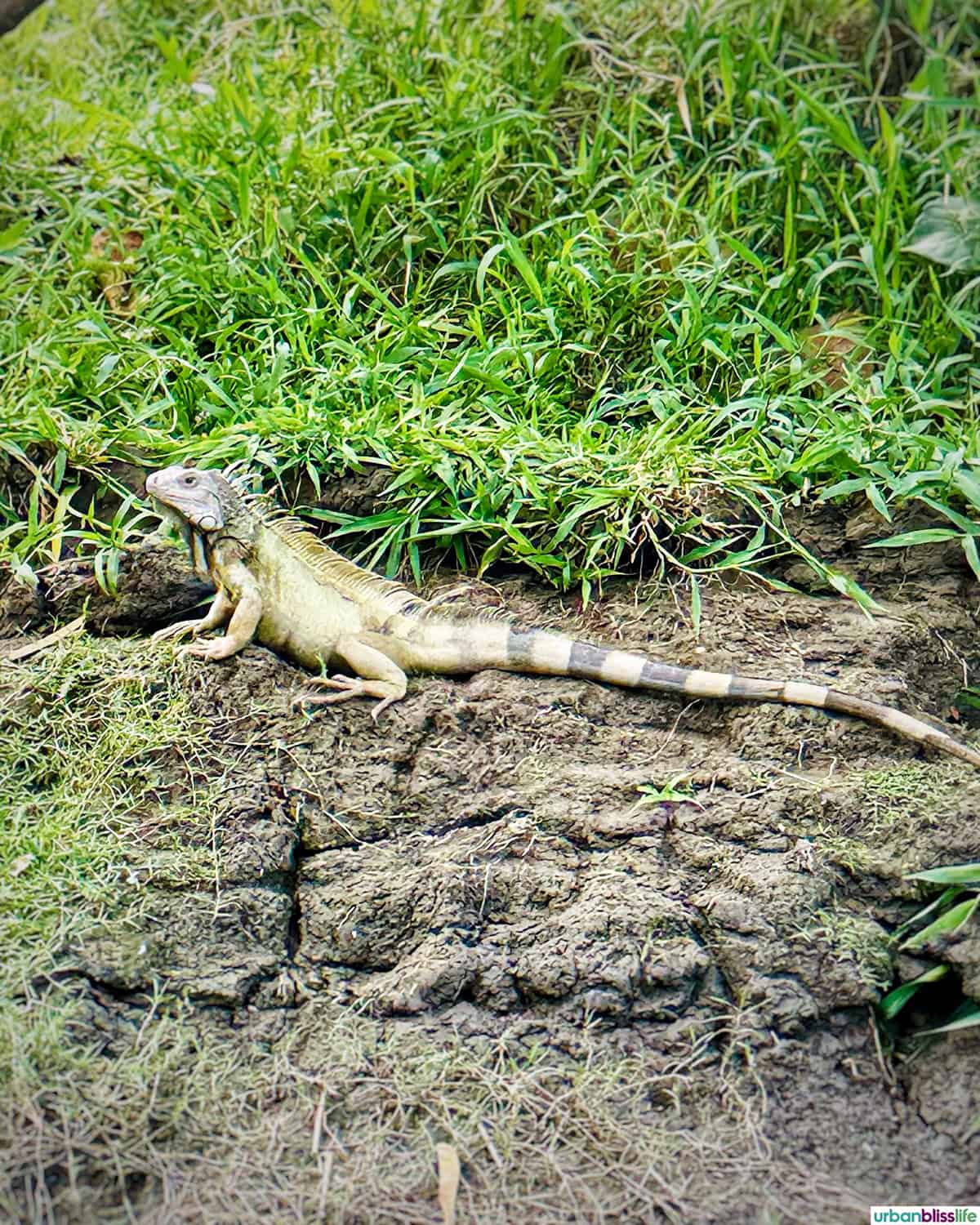
- Wildlife spotting. It’s one of the most biodiverse wetland regions in the world. During my trip, I saw so many iguanas, howler monkeys, and exotic birds in their natural habitat.
- Peaceful vibes. A total break from the noise of big city life.
- Rich history. You’ll feel it at every turn, including a visit to one of the oldest cemeteries in the Americas.
- The food. Authentic Colombian cuisine rooted in Caribbean and inland river traditions.
- Authentic culture. Experience true Colombian hospitality without the tourist crowds.
- Art everywhere. Street murals and local art give the river town a creative, living pulse.
Getting There
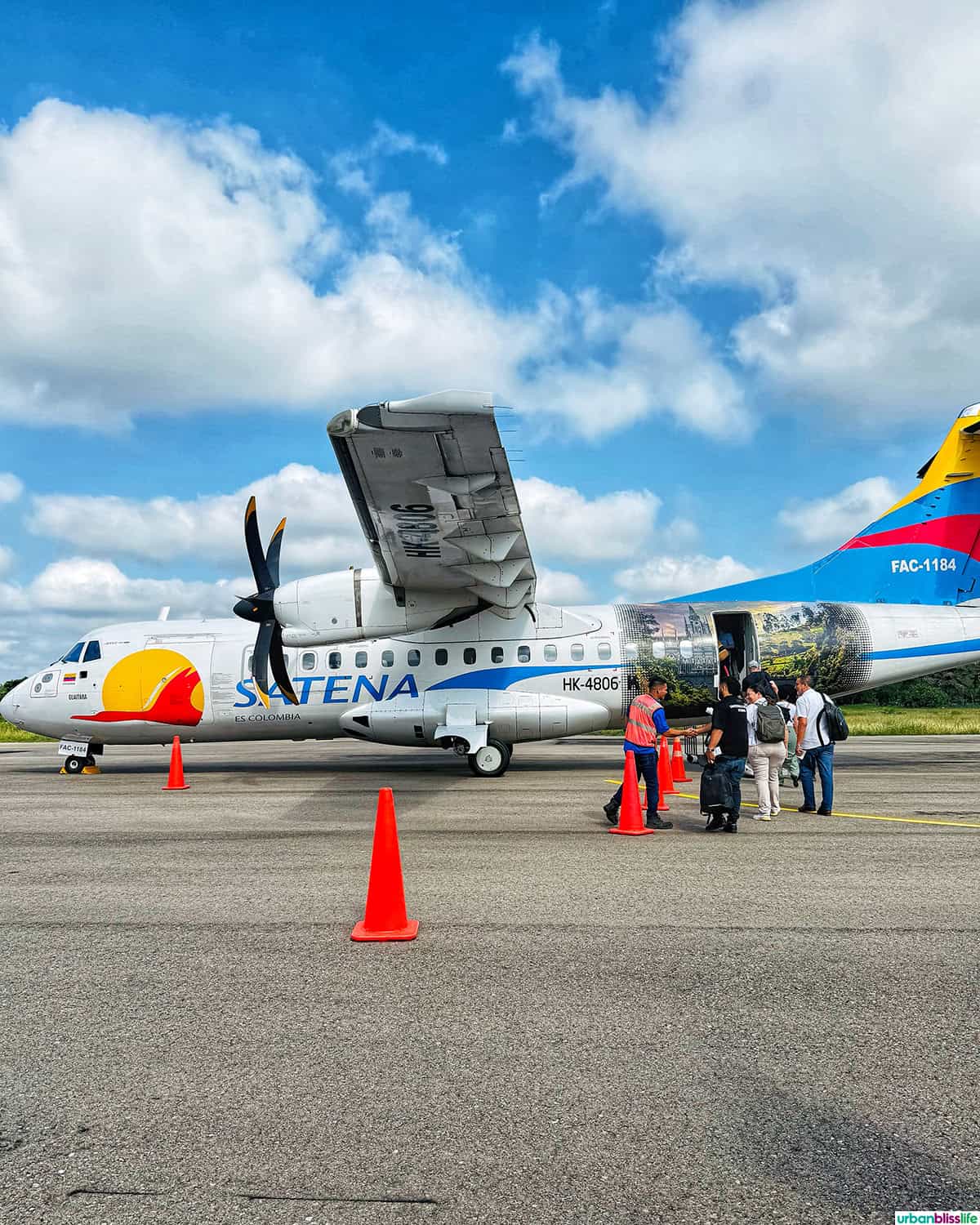
The nearest major airport is in Montería (MTR) or Barranquilla (BAQ), both of which are a ways from Mompox, and have domestic connections from Bogotá and other Colombian cities. However, Mompox has a small, one-room local airport, San Bernardo Airport (IATA: MMP, ICAO: SKMP).
Flights from San Bernardo Airport do not run as regularly to and from larger cities, so you will need to plan your trip well in advance.
For instance, because flights to and from Cartagena only run on Mondays and Fridays, we took a bus from Cartagena to Mompox on a Tuesday (about a 5-6 hour drive). Then, I flew out of Mompox to Bogotá on Friday.
If you decide to fly into Montería or Barranquilla, you can reach the city of Mompox by a combination of bus and chalupa (motorized river canoe). The classic route goes through Magangué, where you board a chalupa that glides across the river to Bodega de la Cruz, then a short taxi to Mompox. It’s a much longer journey — plan for 4–6 hours from Barranquilla.
For all of these options, you’ll want to be sure to check with local operators for current schedules, as they may change.
Now here are some of the things I personally loved during my trip to Santa Cruz de Mompox.
Reserva Natural El Garcero
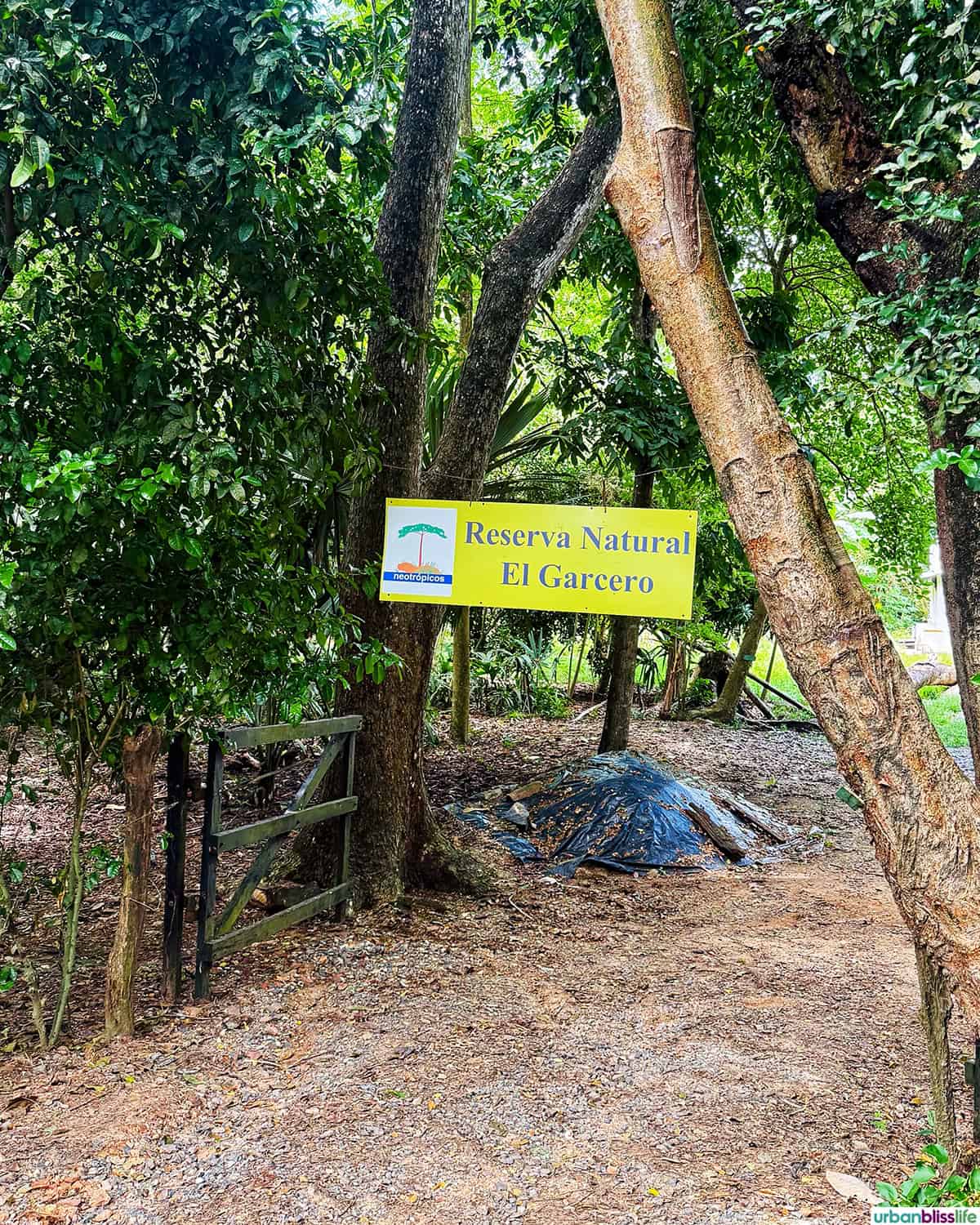
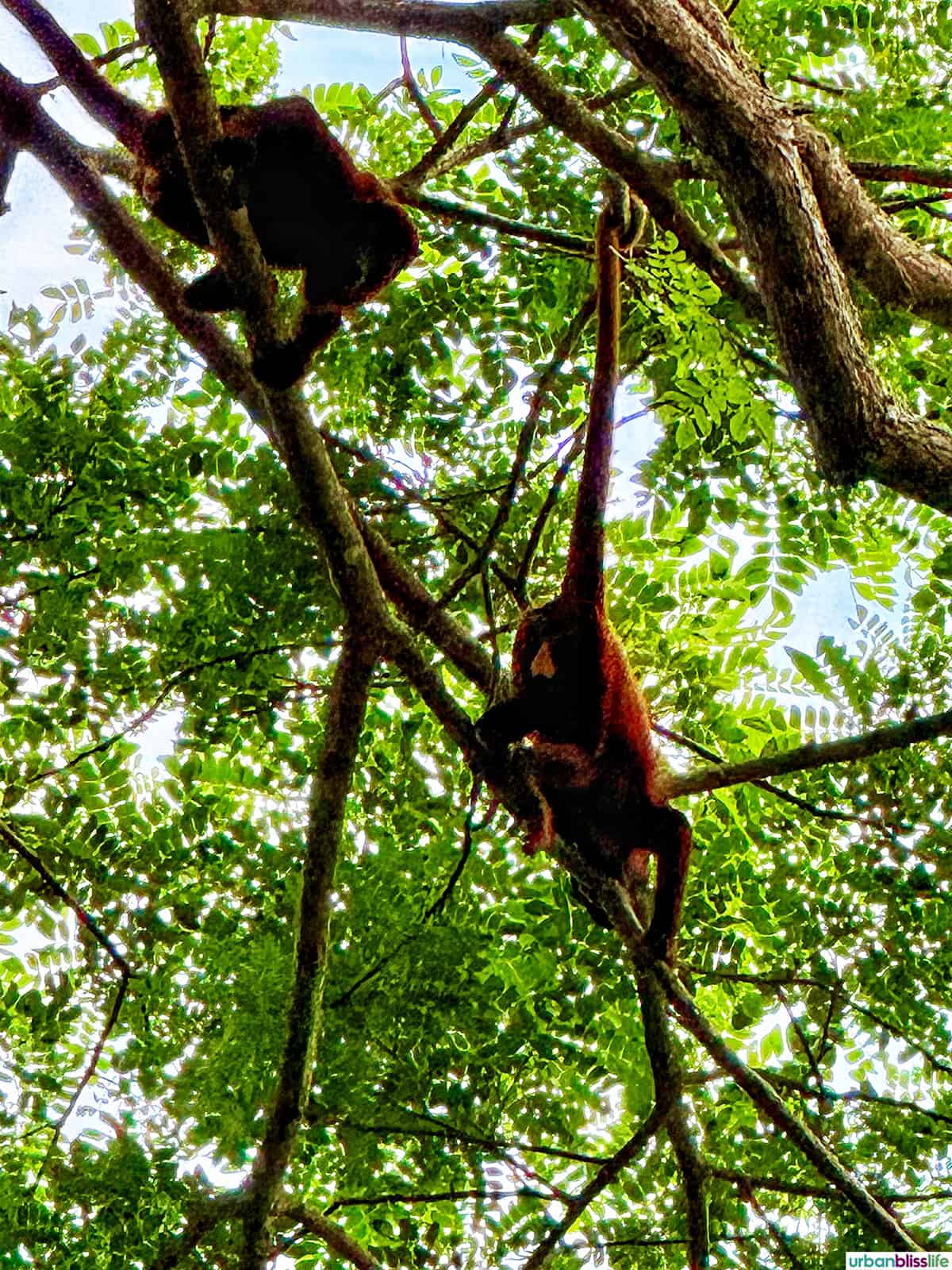
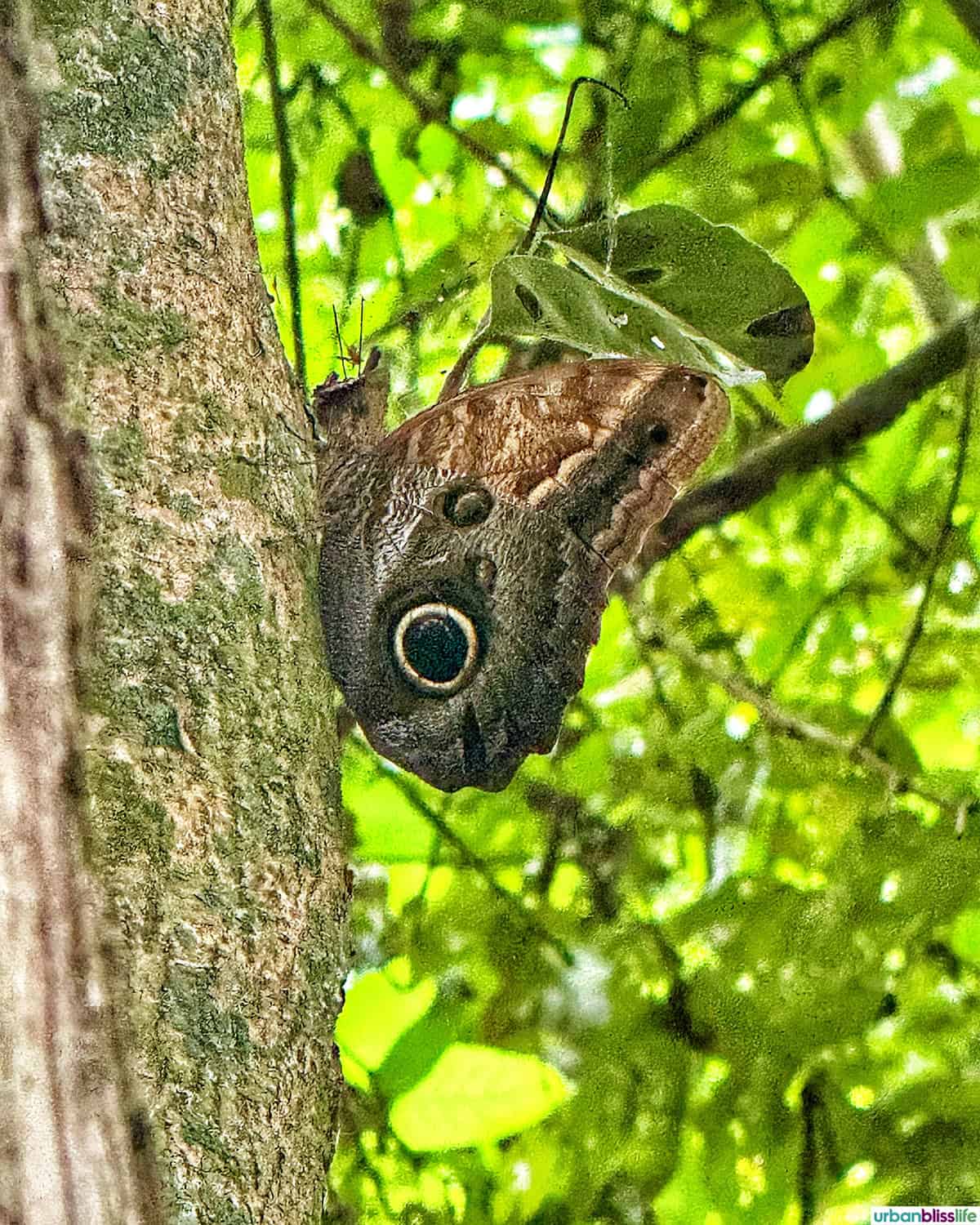
Being greeted by howler monkeys is probably one of the most exciting entrances to an outdoor adventure. Our van pulled up to the entrance of El Carcero Nature Reserve, and there were about a dozen howler monkeys swinging in the trees across the street.
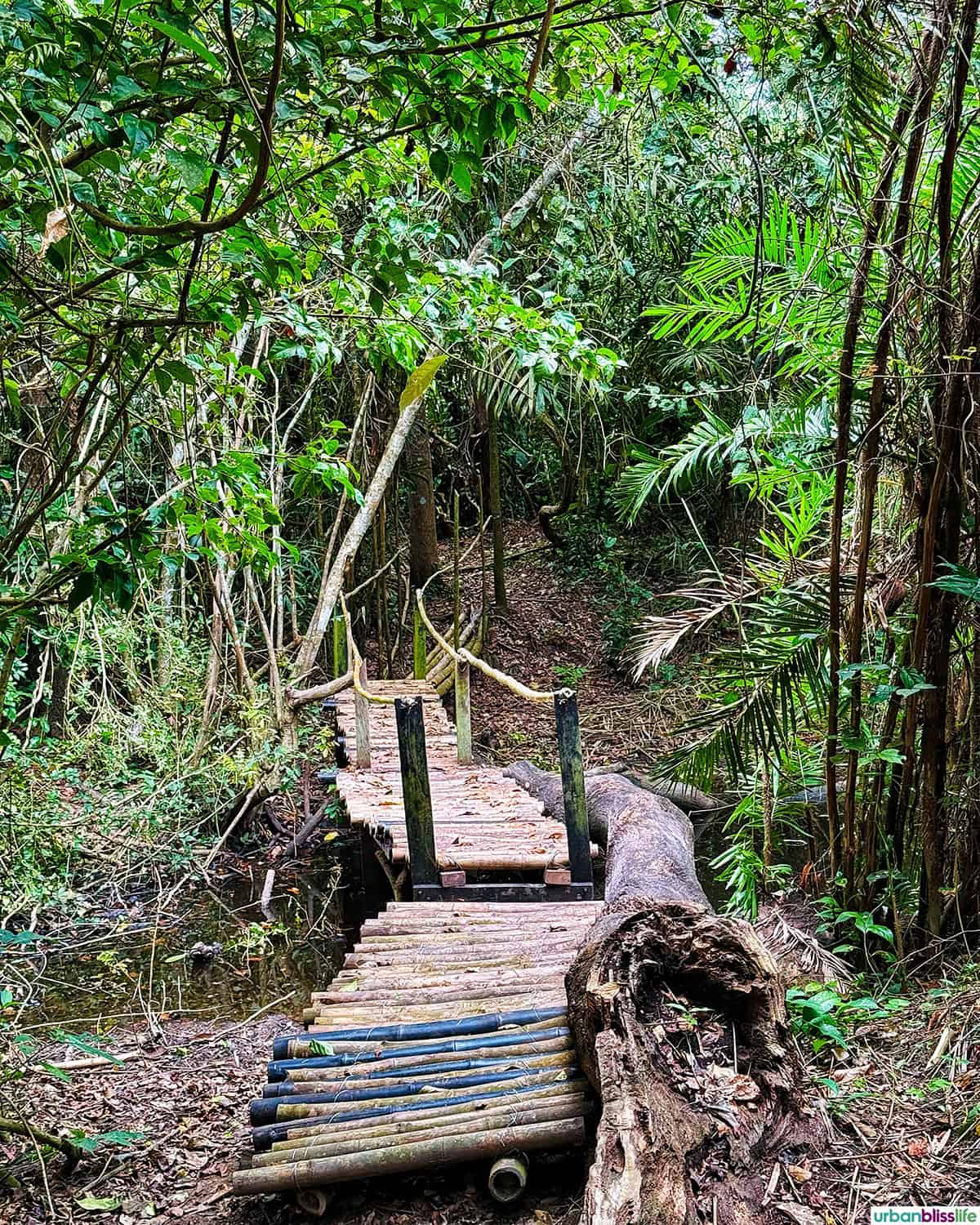
Just outside town, Reserva Natural El Garcero is a paradise for nature enthusiasts. This private reserve focuses on the conservation of wetlands and local bird species.
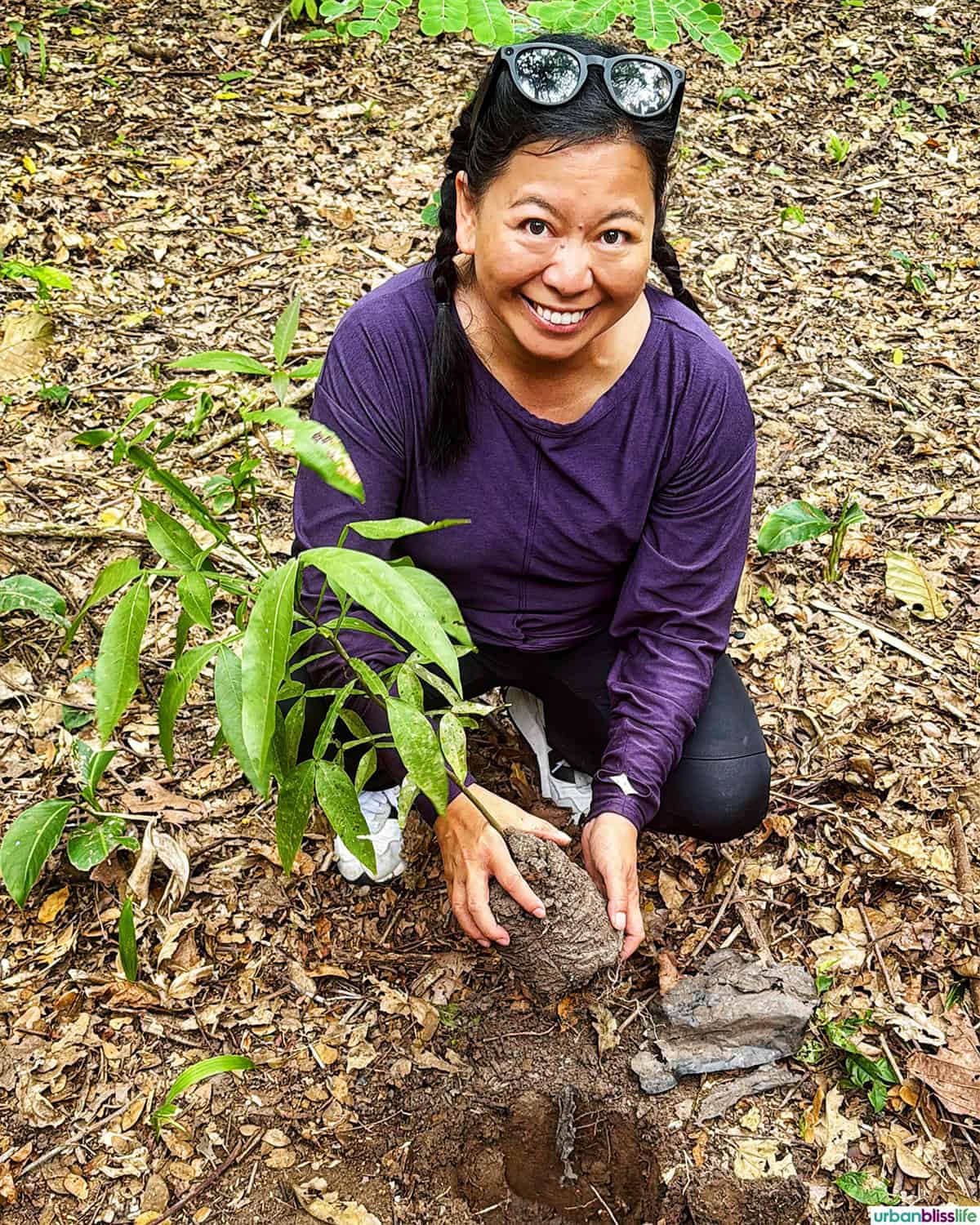
They offer guided walking tours and boat excursions (starting around $15-25 USD). You can spot herons (Garcas), egrets, howler monkeys, and lizards. The staff does incredible work protecting the local ecosystem from deforestation and overfishing, educating visitors on the delicate balance of the river life. I even got to plant a tree during my visit!
For more information, visit the El Garcero website.
Wamaris Jewelry: the art of filigry
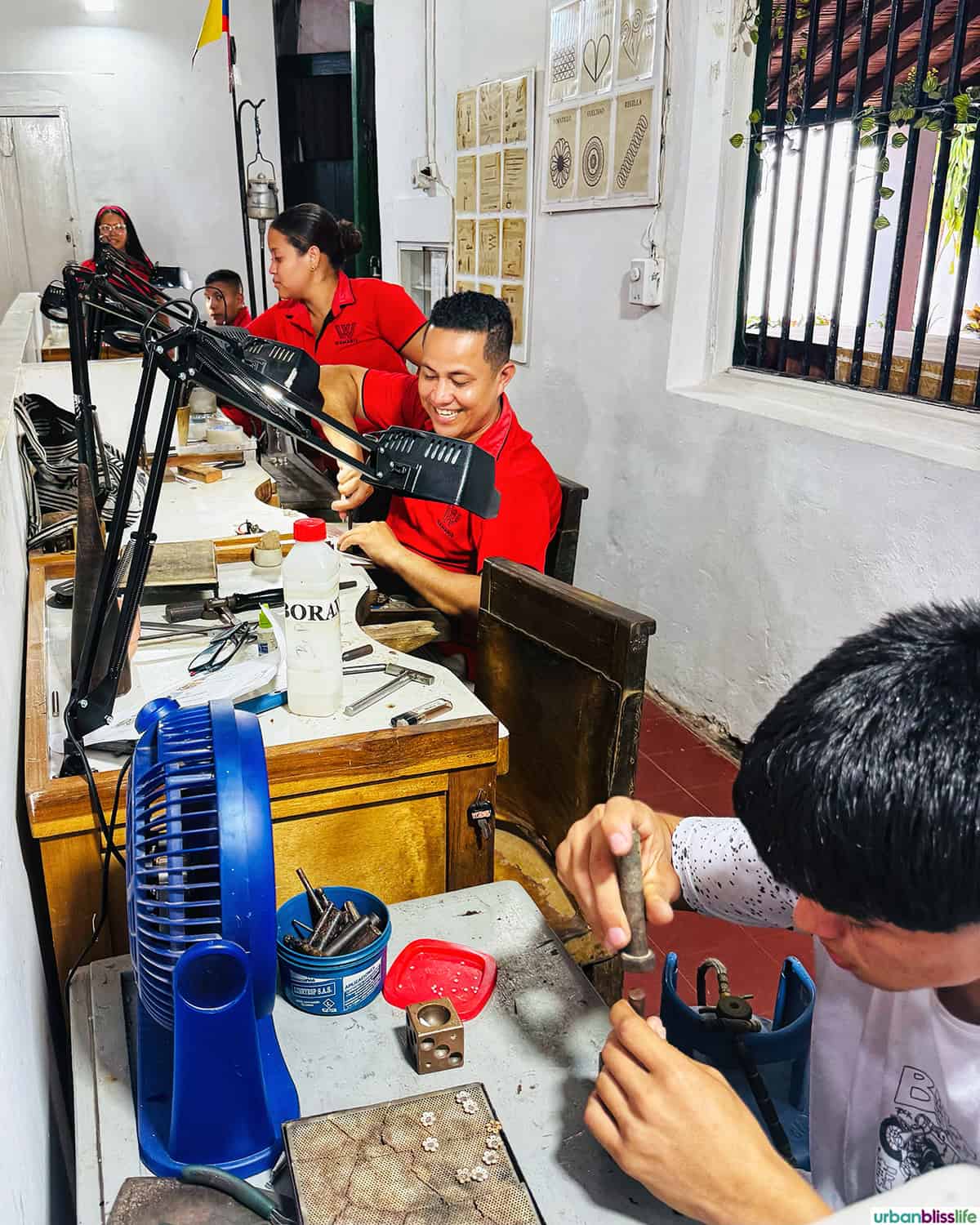
Momposino filigree is one of Colombia’s great treasures. Using the finest gold and silver threads, artisans twist and weave intricate designs that look more like lace than metal. The tradition has been practiced in Mompox for over four centuries, and today it’s recognized as UNESCO Intangible Cultural Heritage.
You can’t leave Mompox without visiting one of the filigree jewelry shops, and I recomment Wamaris. Located in the historical center (a quick walk from the Santa Barbara church), this jewelry shop is where the famous Momposino filigree comes to life.
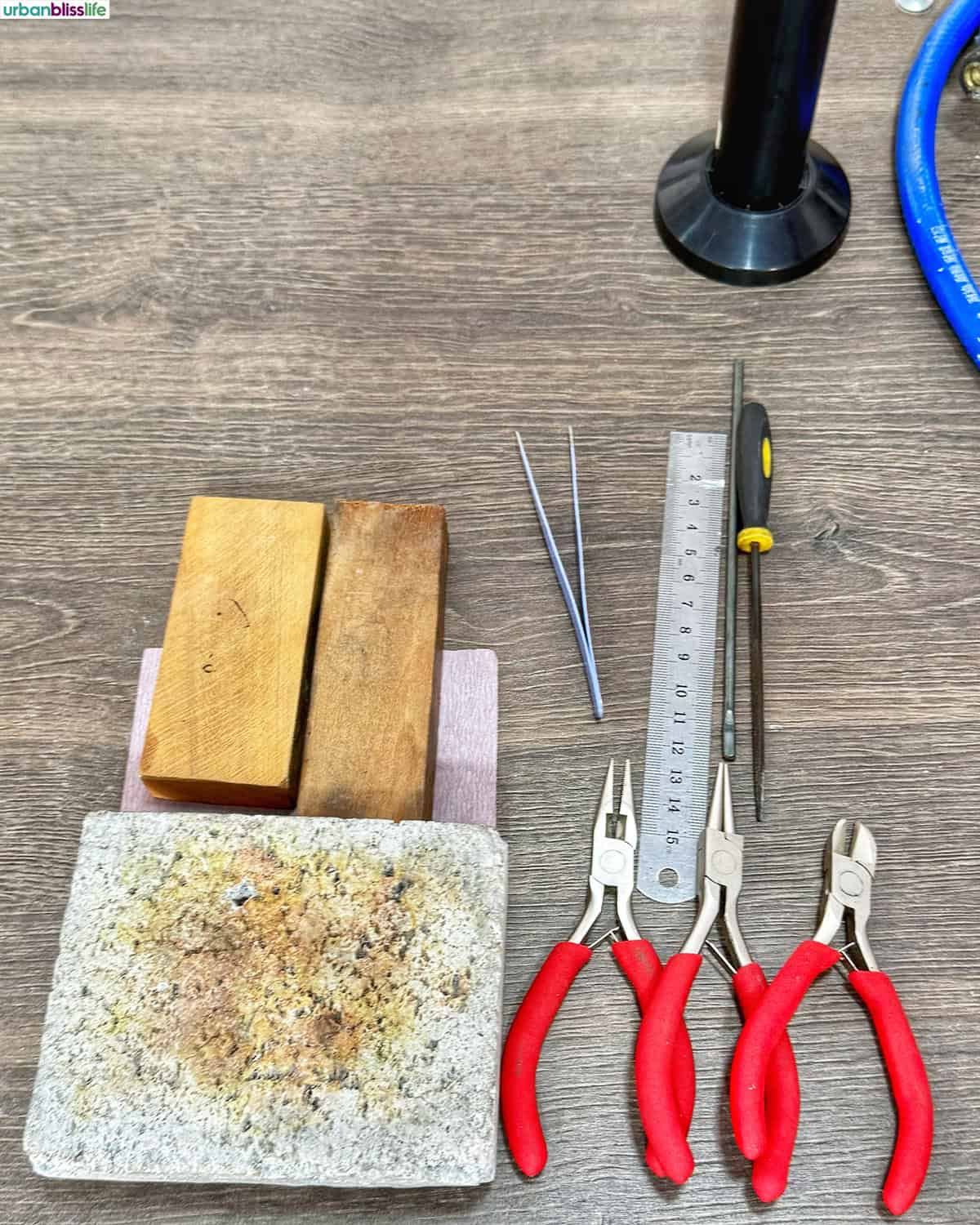
Wamaris jewelry offers visitors a rare and hands-on chance to learn the craft directly from master artisans. You’ll learn the basic techniques, try your hand at the wire work, and gain a deep appreciation for the extraordinary patience and skill required to produce even a simple piece.
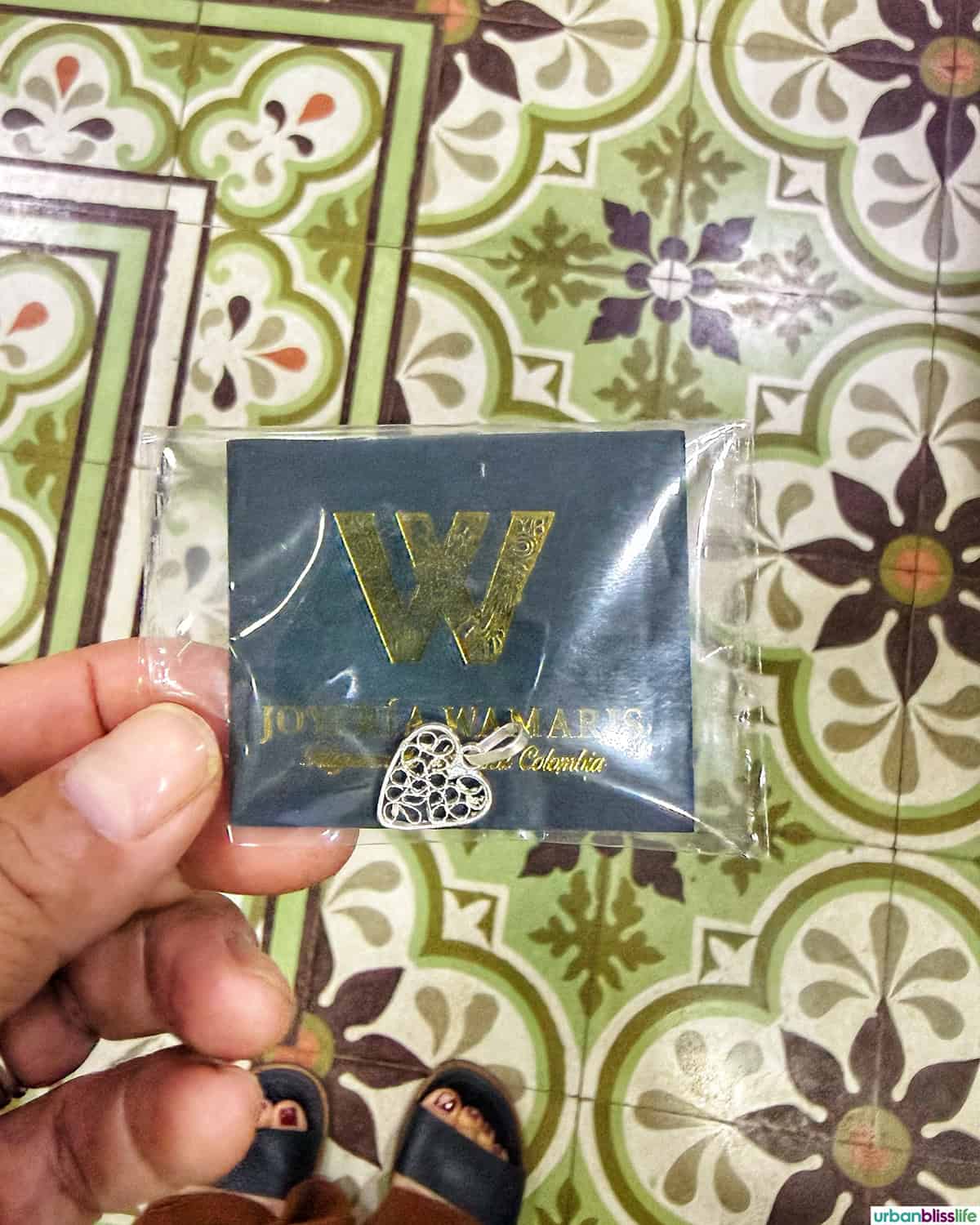
You’ll never look at filigree jewelry the same way again — and you’ll probably leave with something beautiful to take home. I got to make a beautiful heart pendant, which is a lovely reminder now of my time in this wonderful town.
Street art and murals near the riverfront
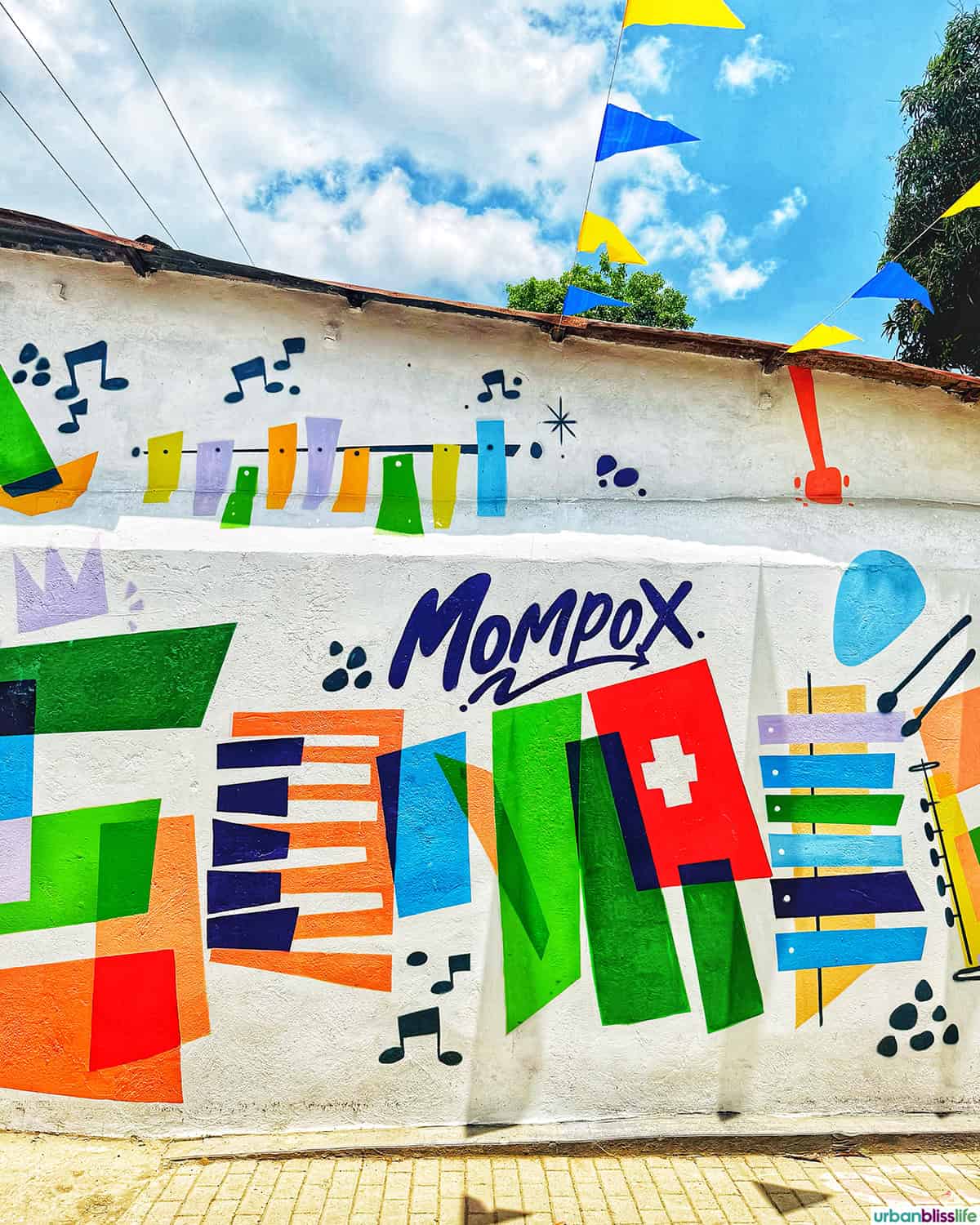
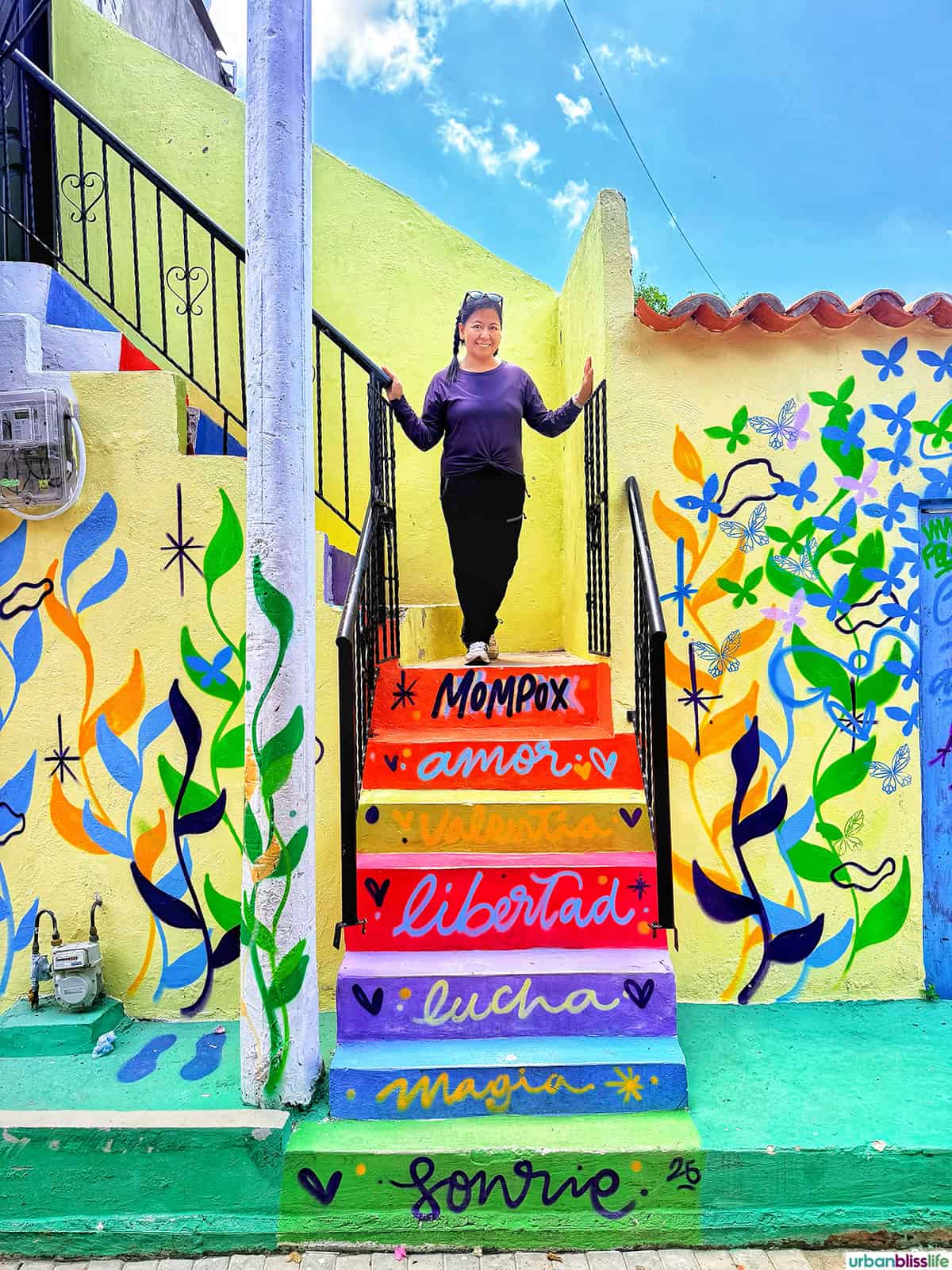
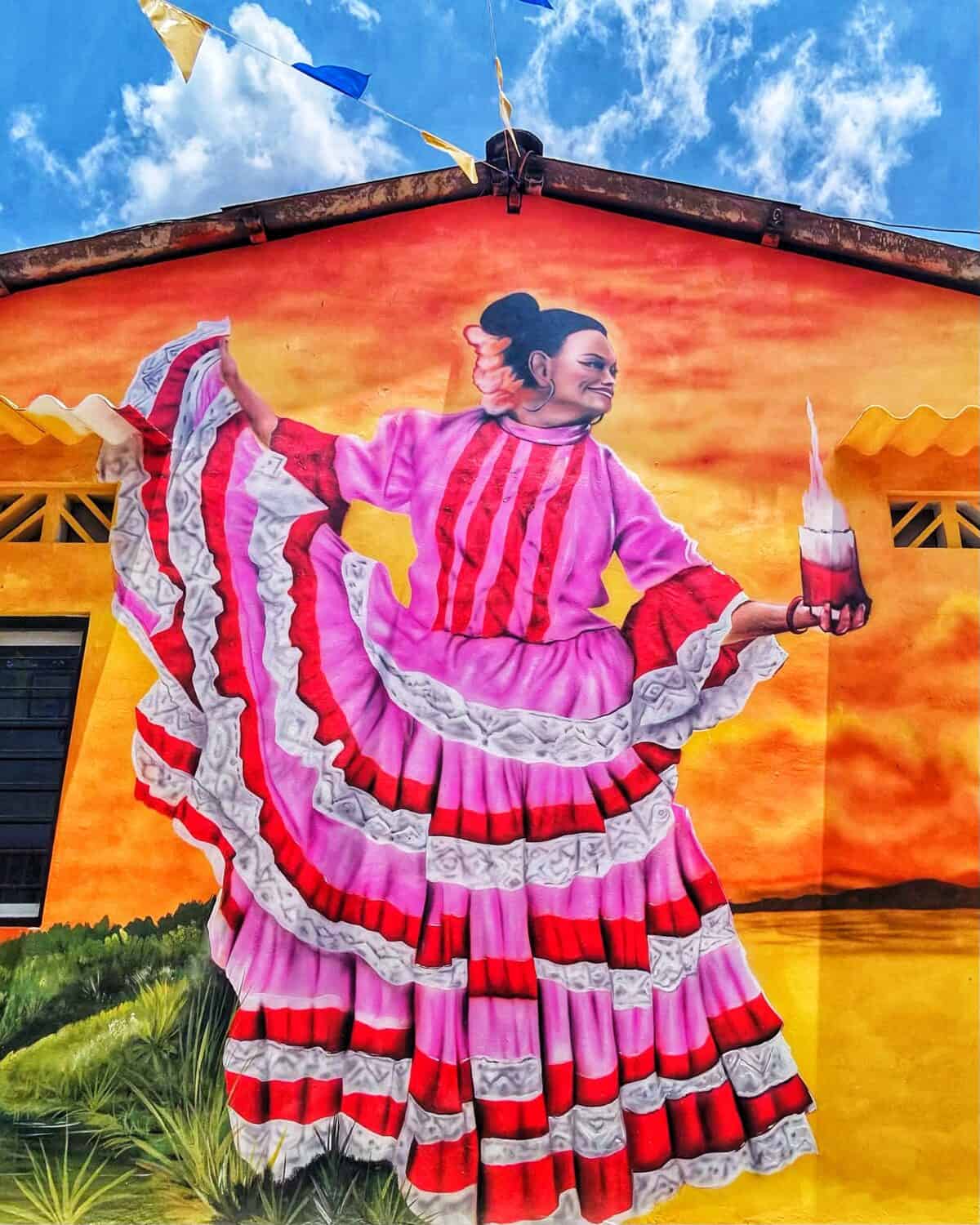
If you are a big fan of street art like I am, you’ll want to venture to Mompox’s riverfront. The colonial streets around this ara have become an unlikely canvas for a growing street art scene that beautifully honors the town’s history, mythology, and natural world.
Here, you’ll find murals depicting river wildlife, local legends, and García Márquez references painted in bold, vibrant colors. It’s one of those lovely urban surprises where modern creativity and ancient streets find sweet harmony.
River excursions on the Magdalena
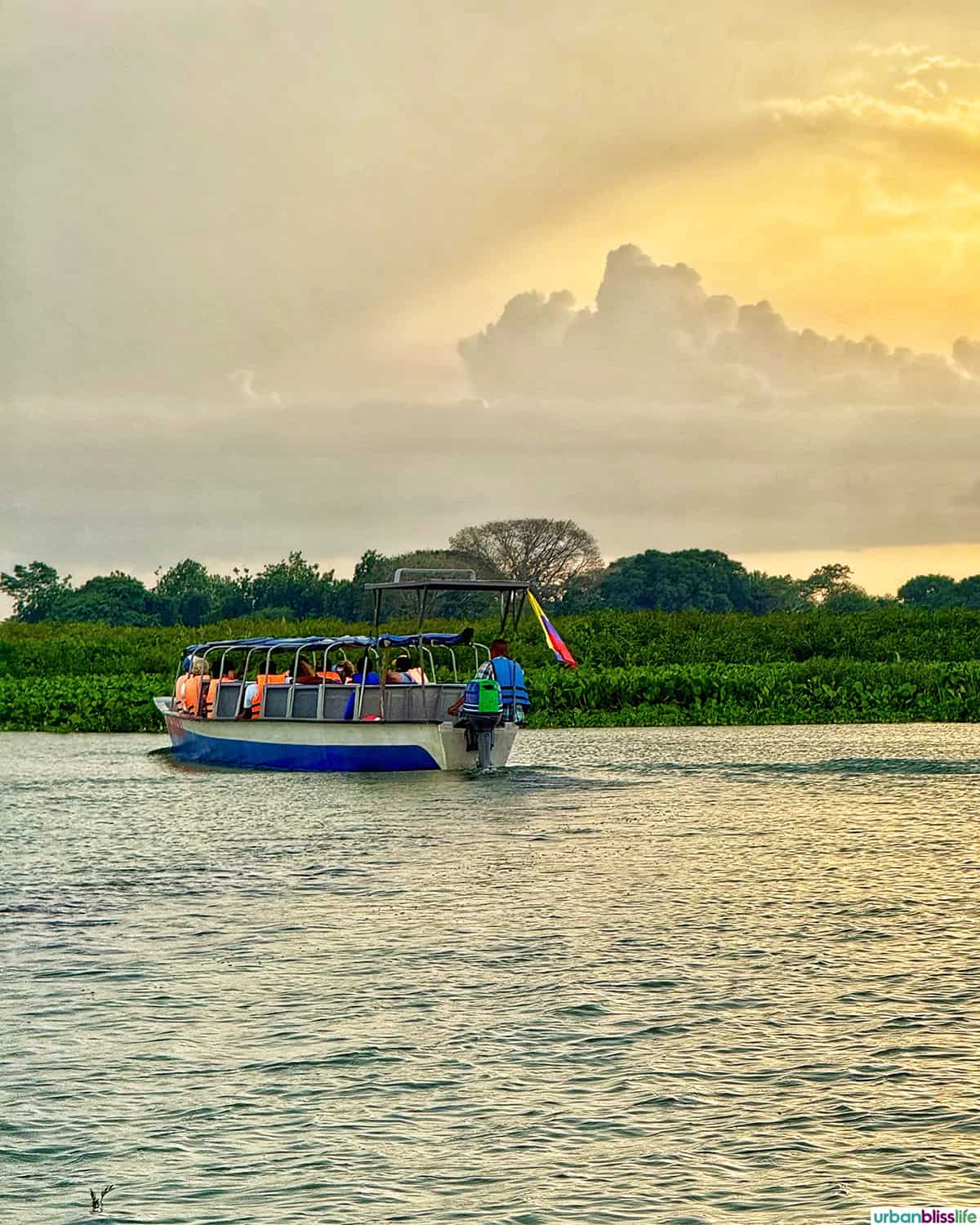
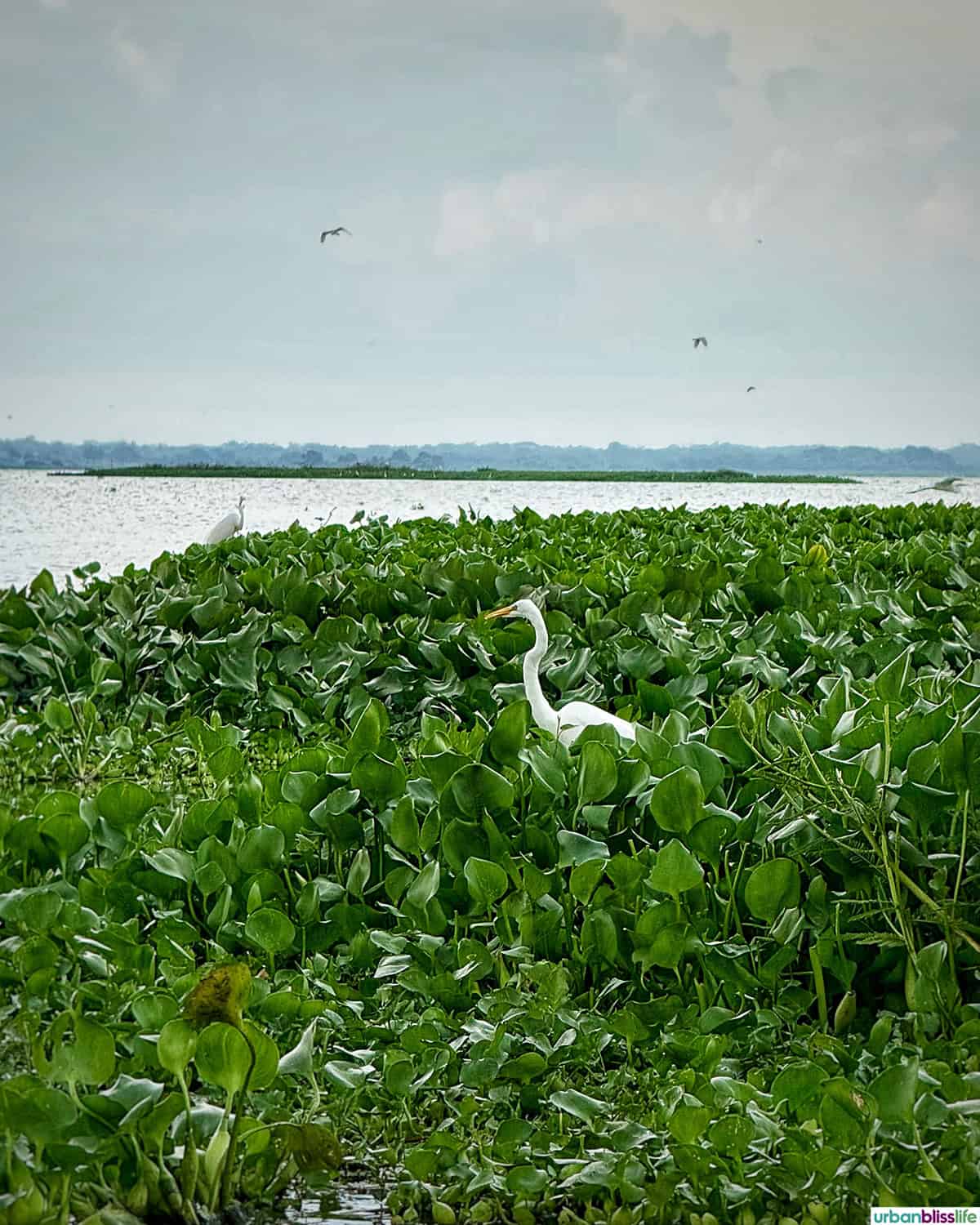
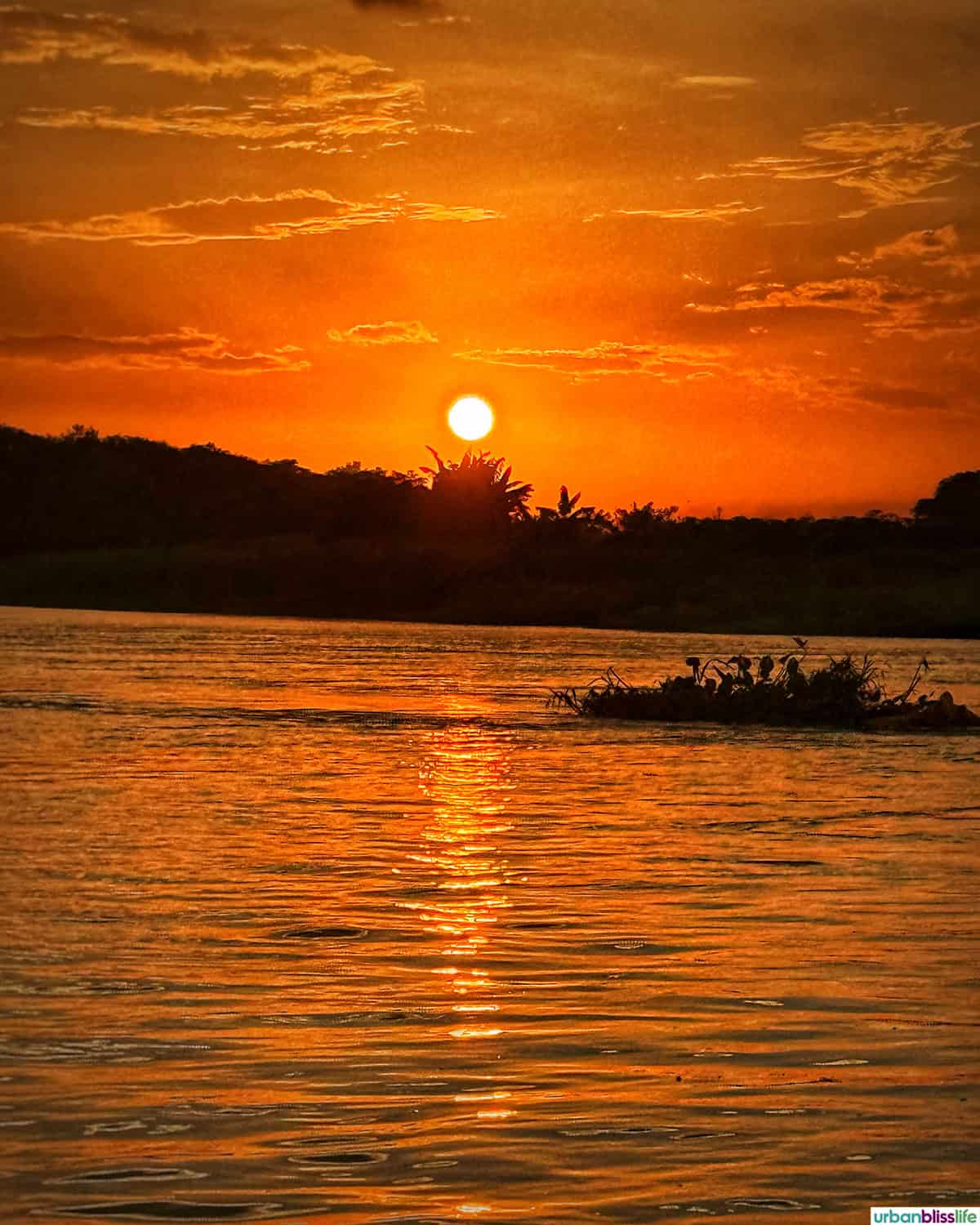
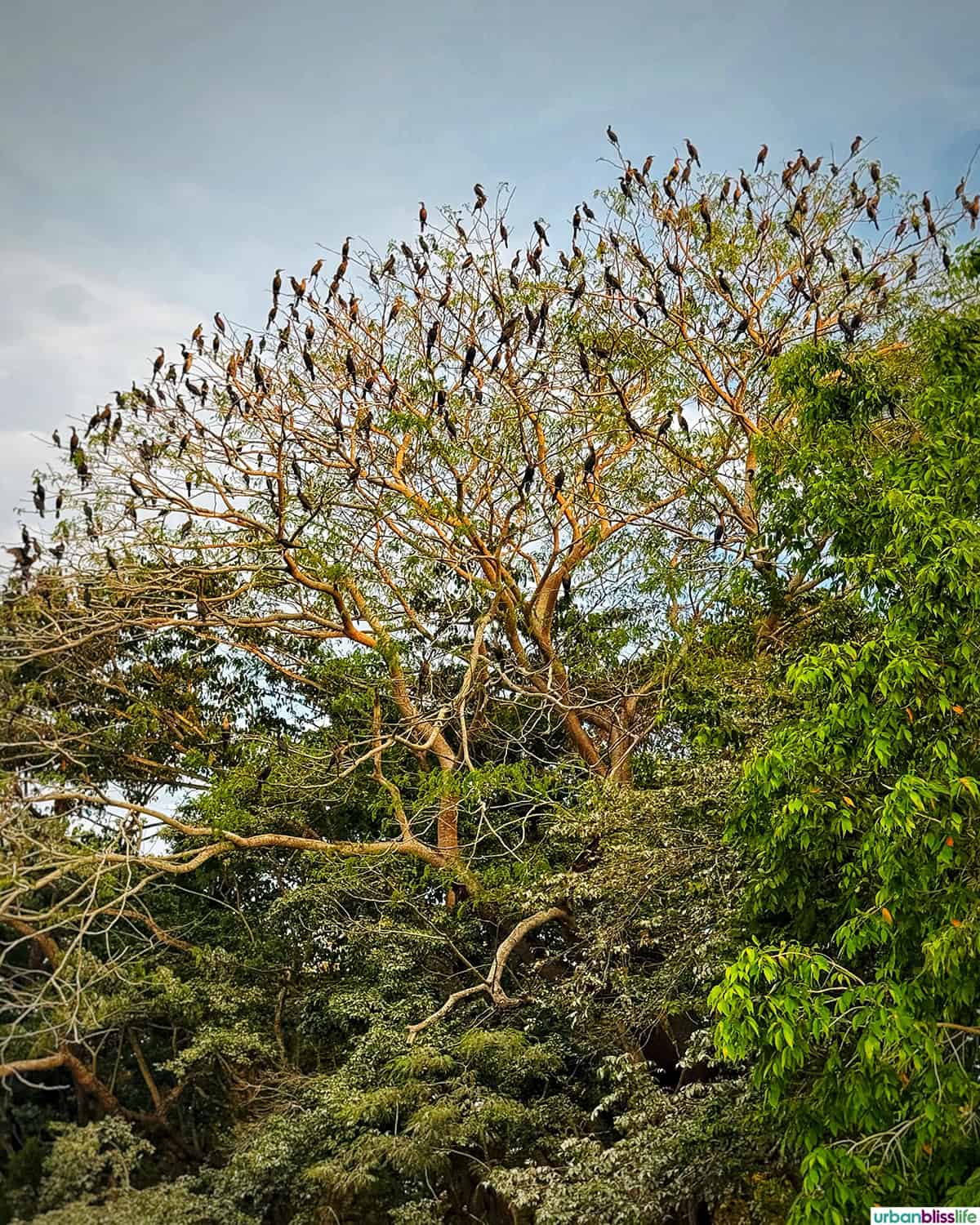
The best way to see the “soul” of Mompox is from the water.
Local guides offer sunset bird-watching tours along the mighty Magdalena River and other waterways in the area, including the Brazo de Mompox (a branch of the Magdalena) and the surrounding network of ciénagas (freshwater lagoons) and caños (canals).
You’ll glide past mangroves and small river islands, spotting kingfishers, hawks, and occasionally caimans. The peace of the river at dusk and the sun setting over the waters is something I will never forget.
Bring a good pair of binoculars, and don’t forget your camera.
Iconic churches
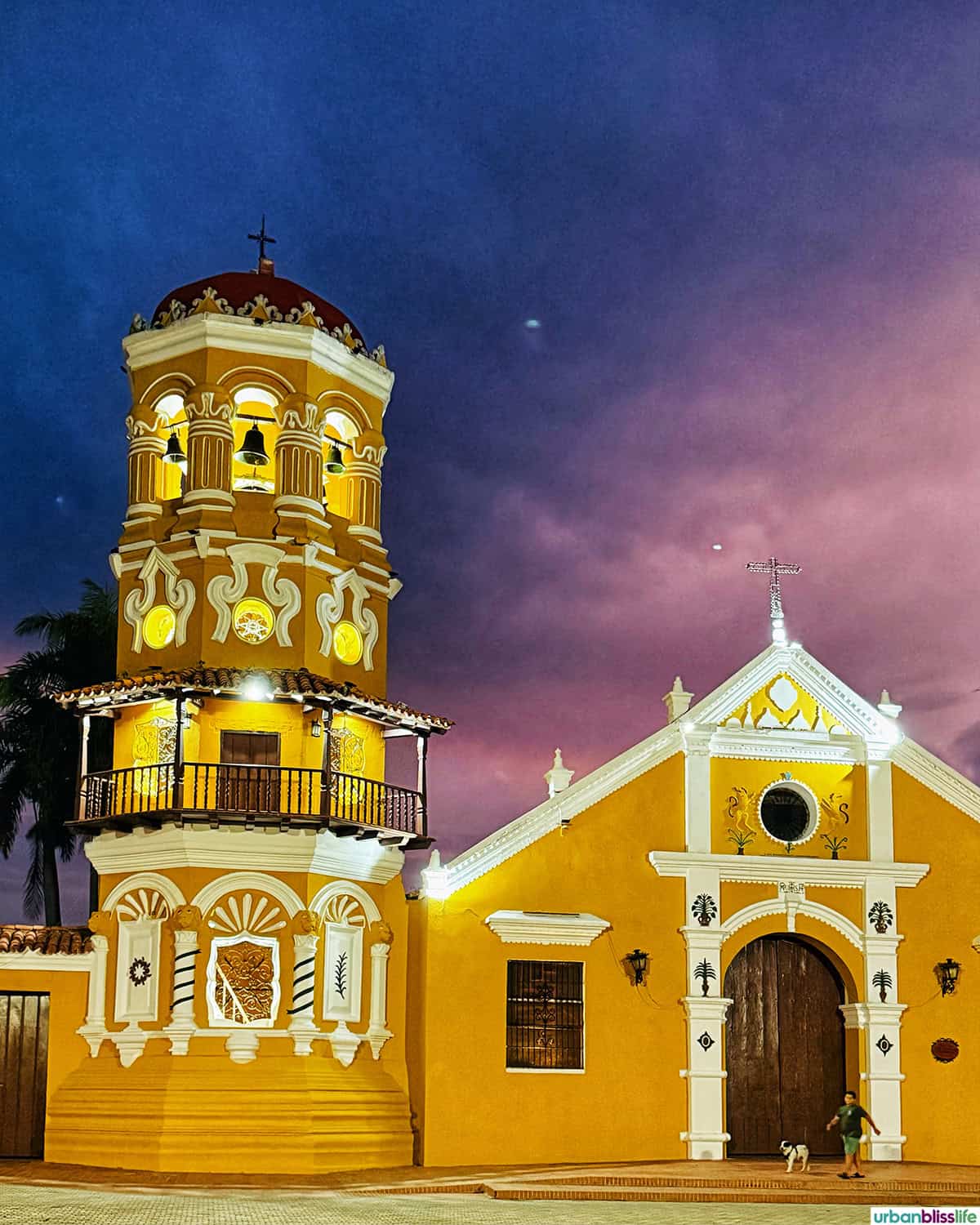
The Santa Barbara Church is the most famous landmark in town. Known for its unique Moorish-style bell tower with a balcony, it sits right by the river. Come at golden hour when the light turns the yellow facade into something truly otherworldly.
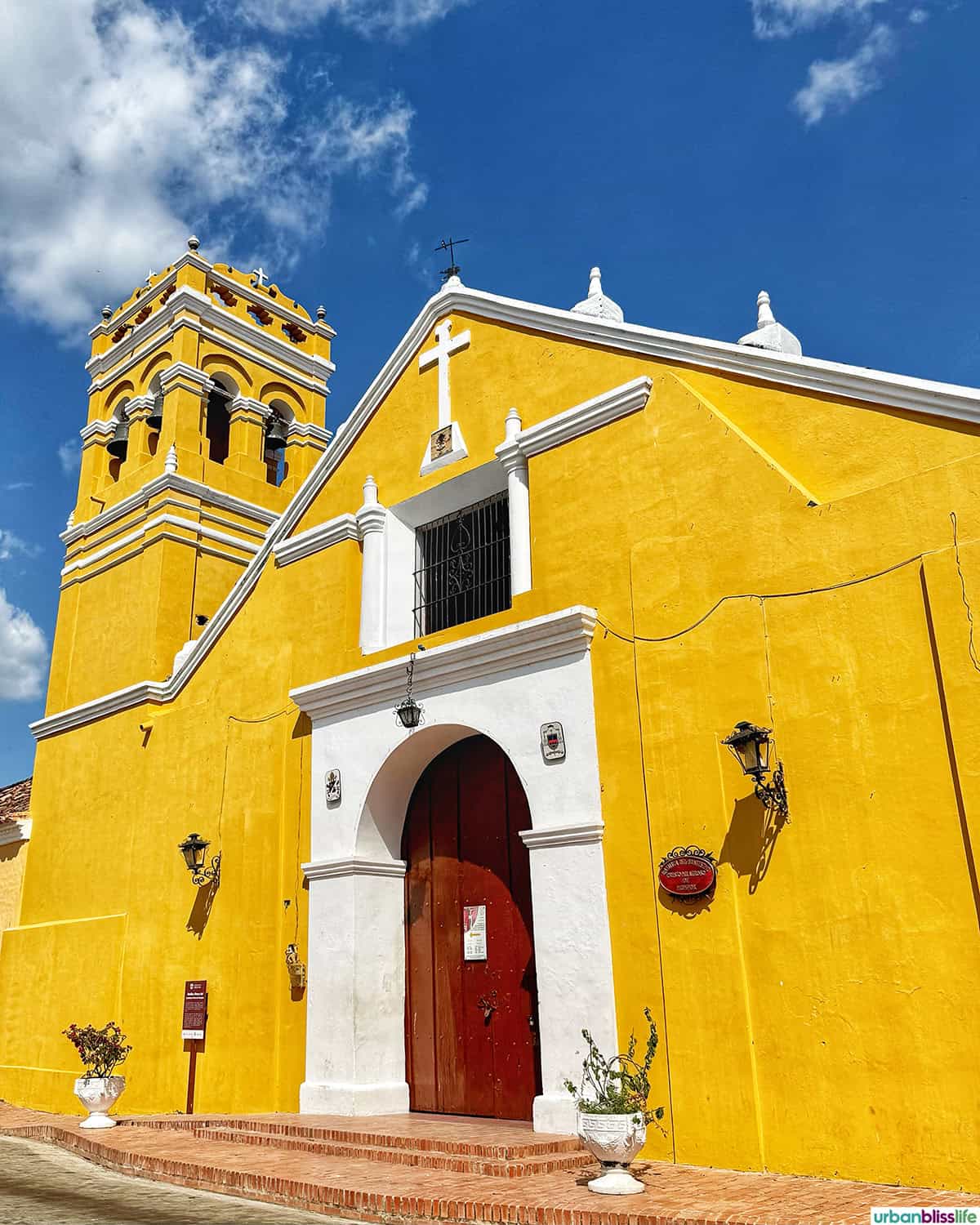
Don’t stop there, though! Mompox is home to several other historic gems like the San Francisco Church (known for its bright red facade), the Immaculate Conception Church (the main cathedral), and the San Agustin Church. Each plaza offers a different vibe and a new place to sit and soak in the history.
Cementerio de Santa Cruz de Mompox
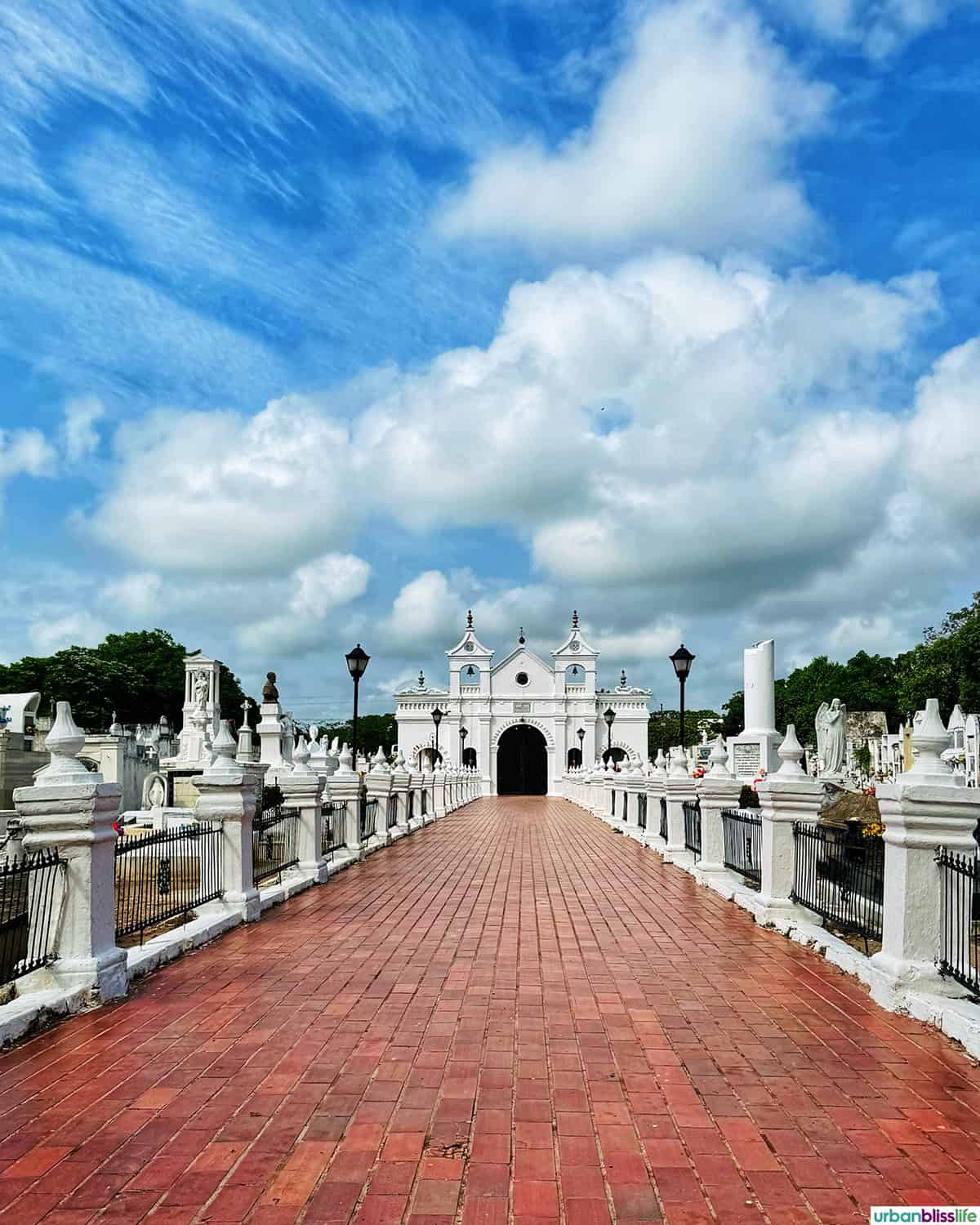
This is one of the most extraordinary cemeteries in all of Latin America, and reportedly, one of the oldest.
It’s filled with spectacular above-ground tombs, neoclassical mausoleums, and intricate wrought-iron work. Walk the main avenues in the morning light when the shadows are long and the silence is profound. The artistry here is stunning, and the history embedded in these stones is deep.
Where to eat in Mompox
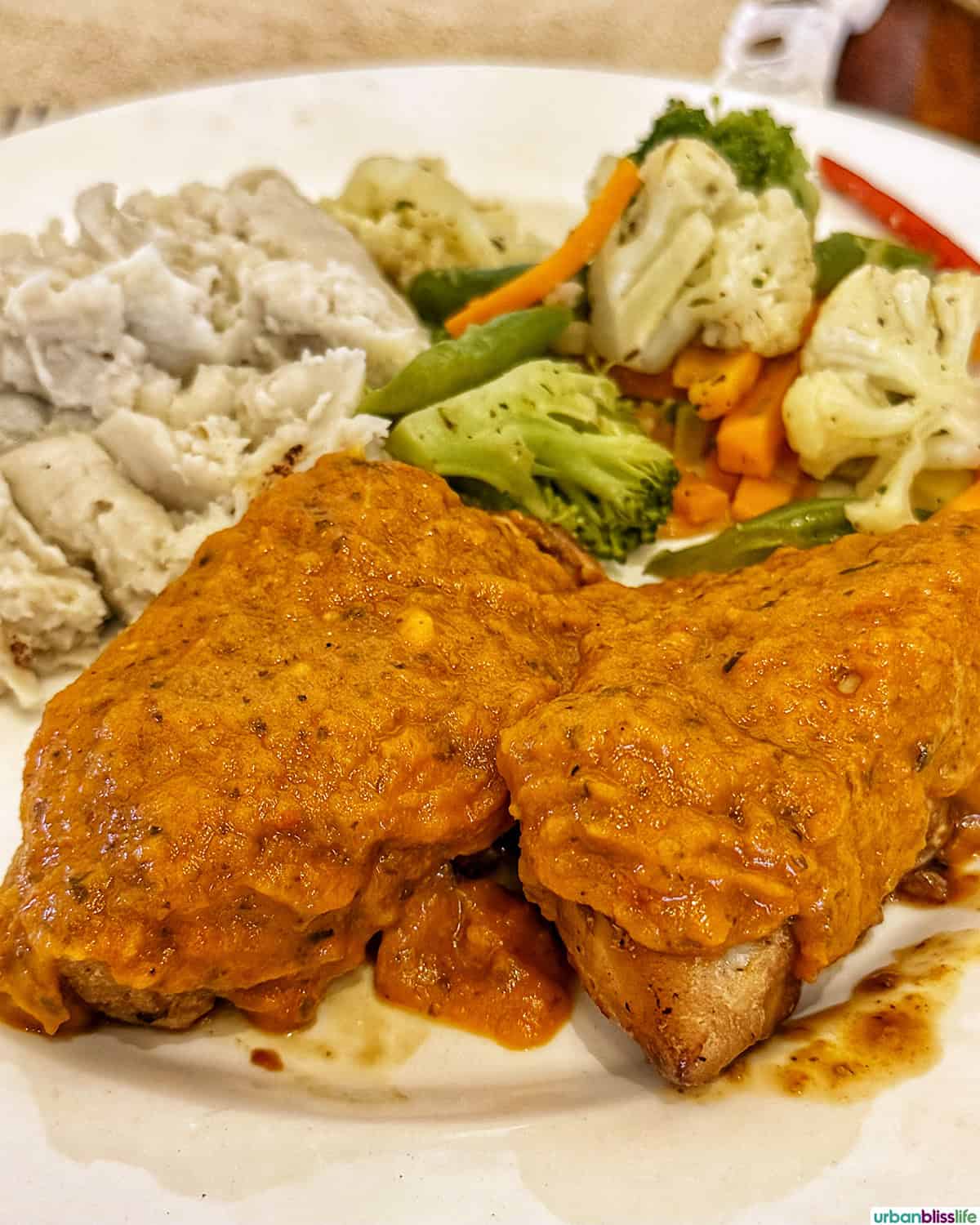
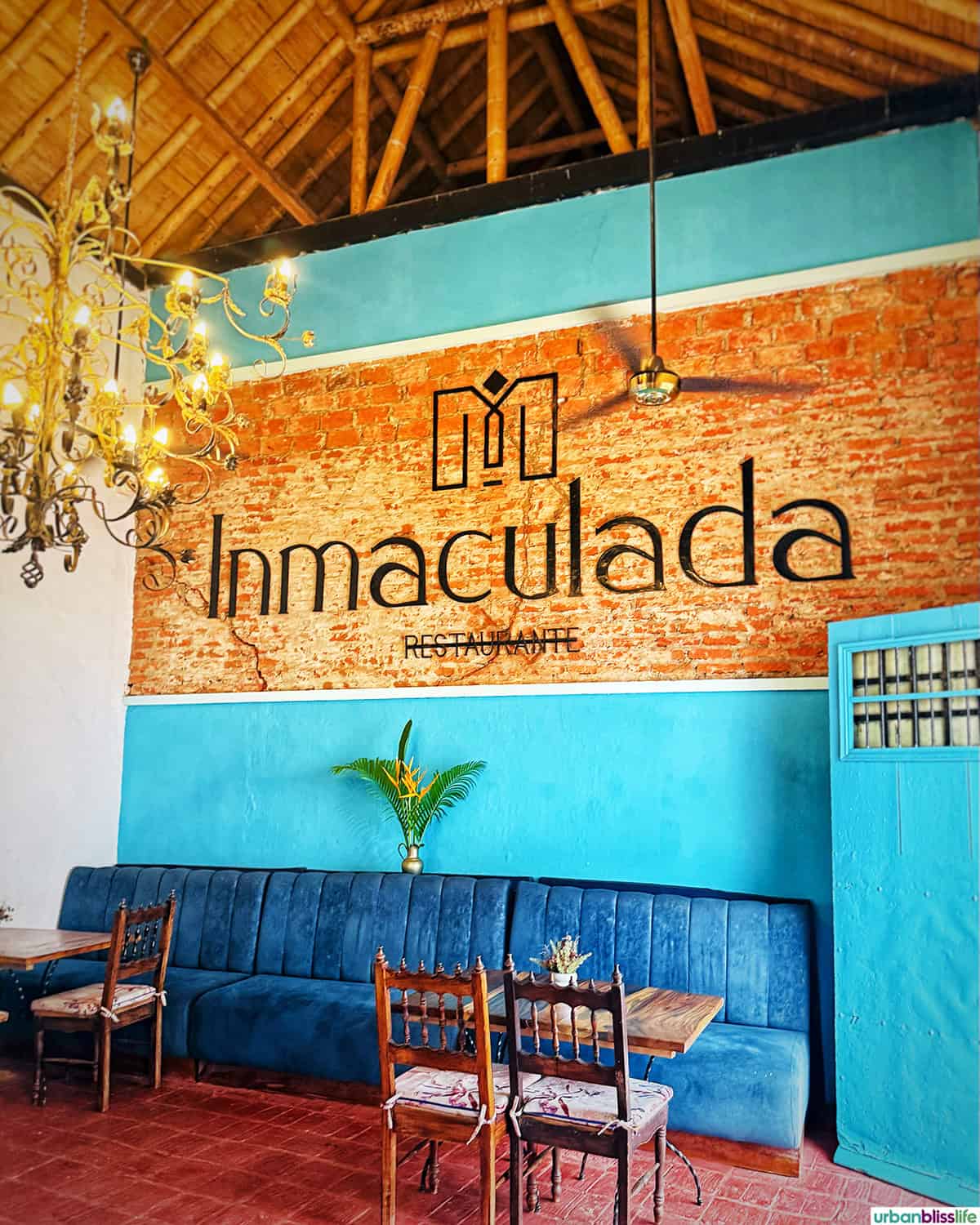
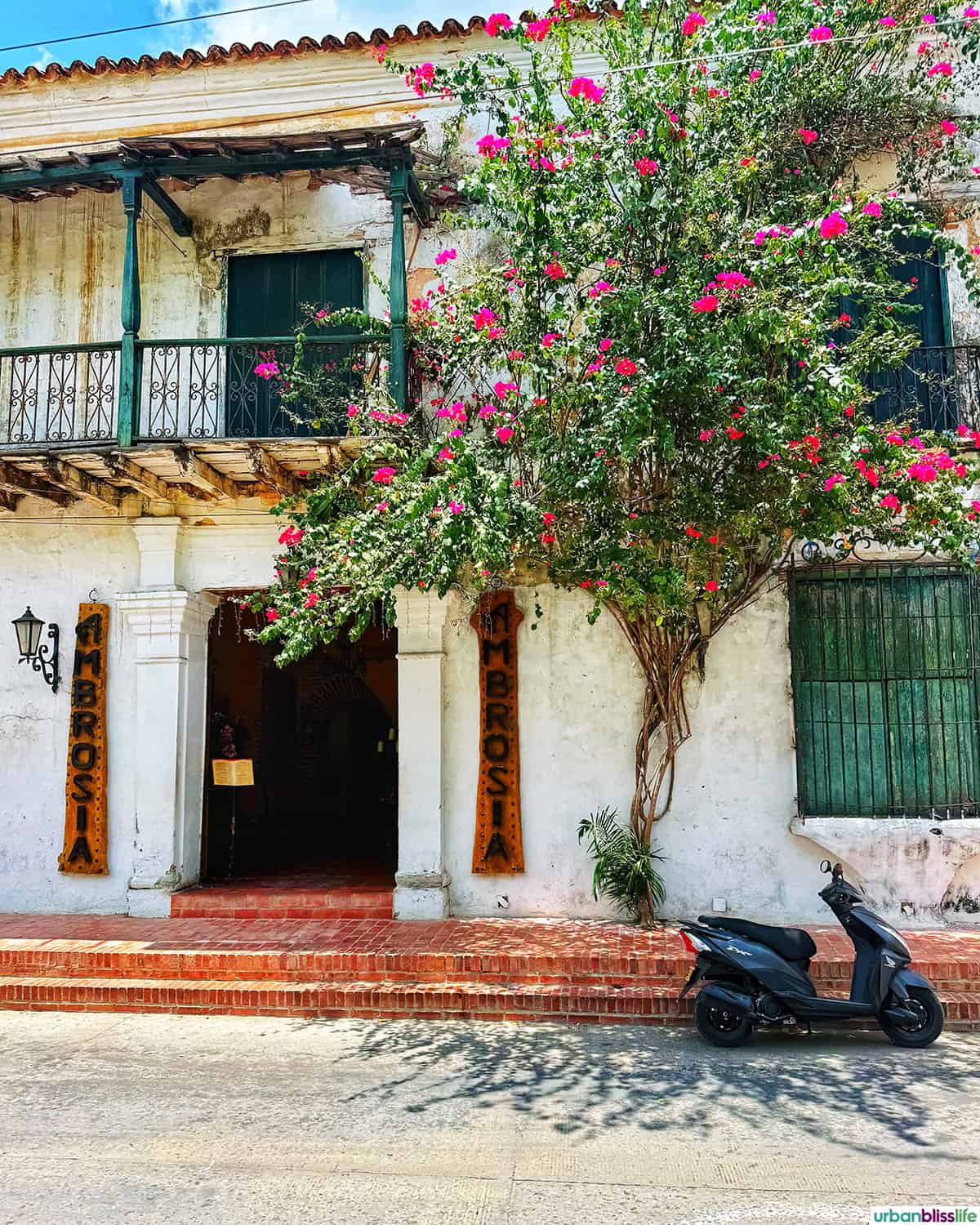
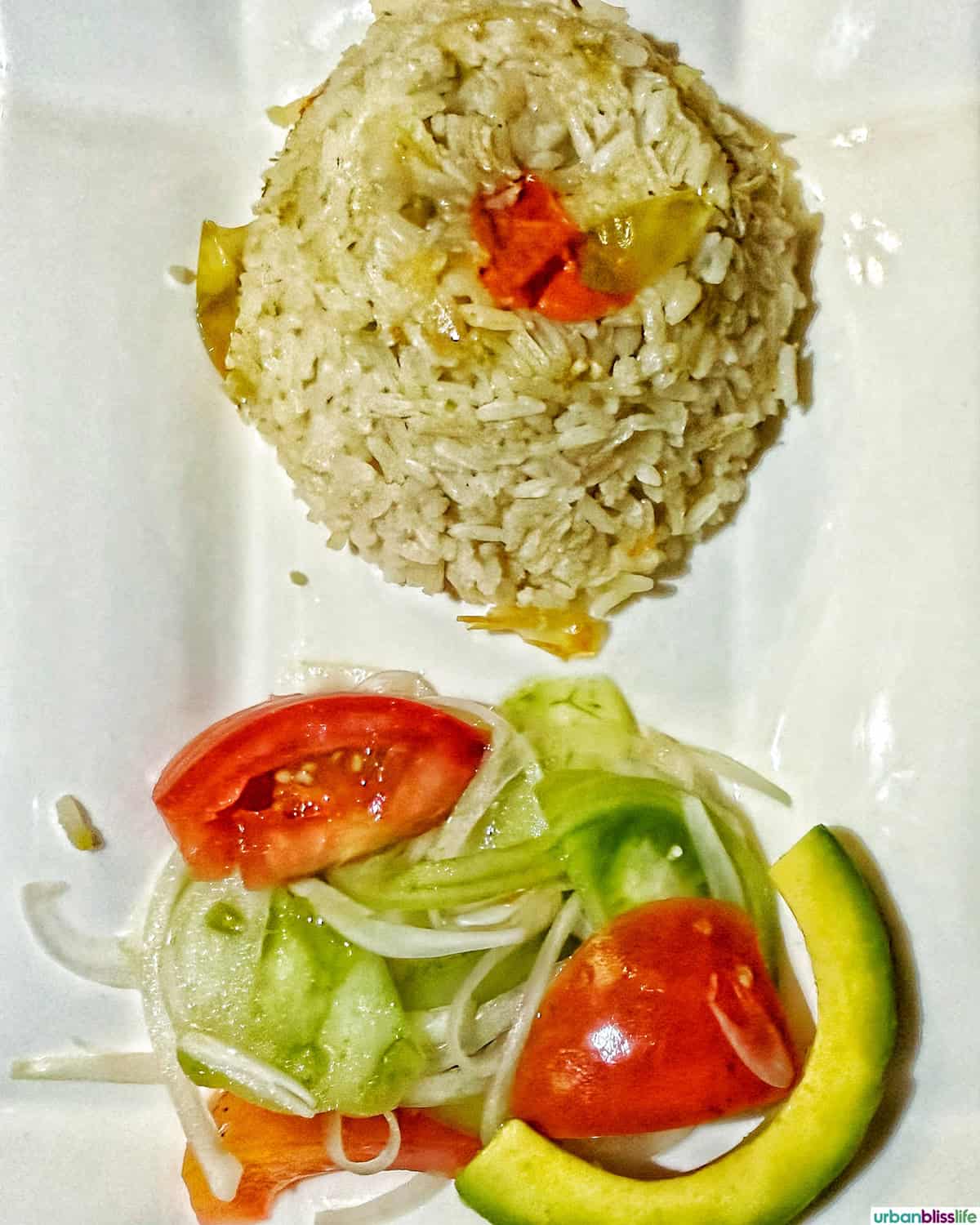
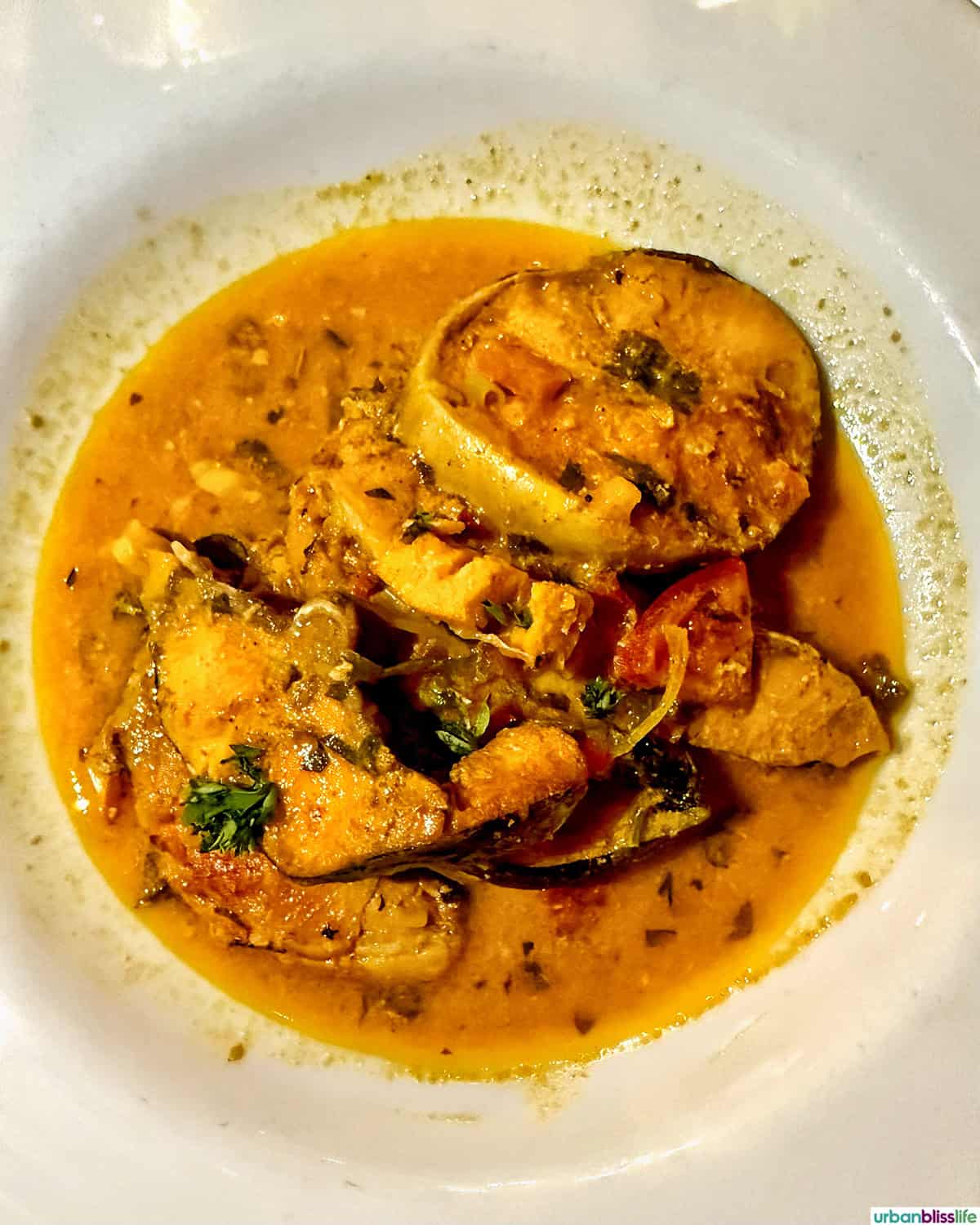
Another thing I appreciate about Mompox is the down-to-earth dining available. Even in the city’s larger restaurants, you’ll feel like you’re dining in a neighbor’s house. It’s warm, welcoming, and full of culinary culture and tradition.
Here are two restaurants I loved:
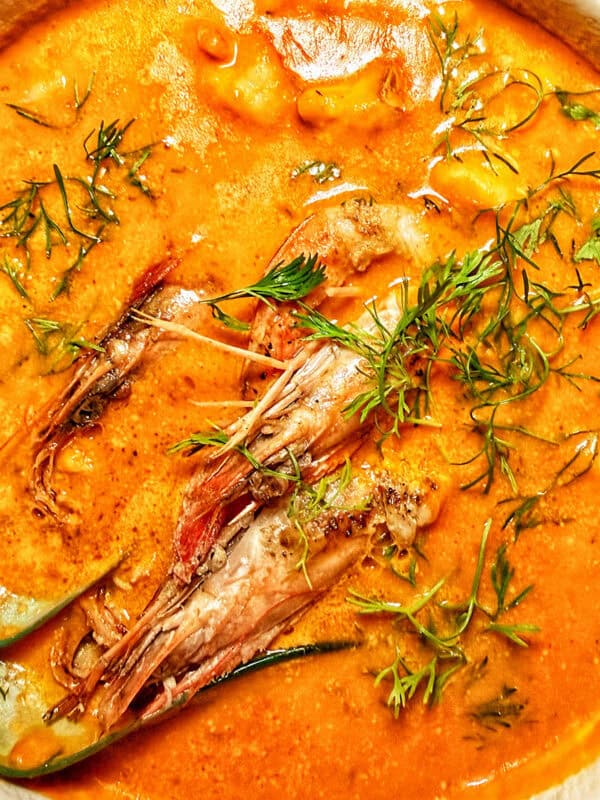
Restaurante Ambrosia is beloved by locals and in-the-know travelers alike. Come here for the river fish — mojarra and bocachico prepared simply but perfectly, often accompanied by coconut rice, patacones (fried plantain), and a fresh avocado. The cazuela de mariscos (seafood stew) is not to be missed. The atmosphere is warm and the welcome genuine.
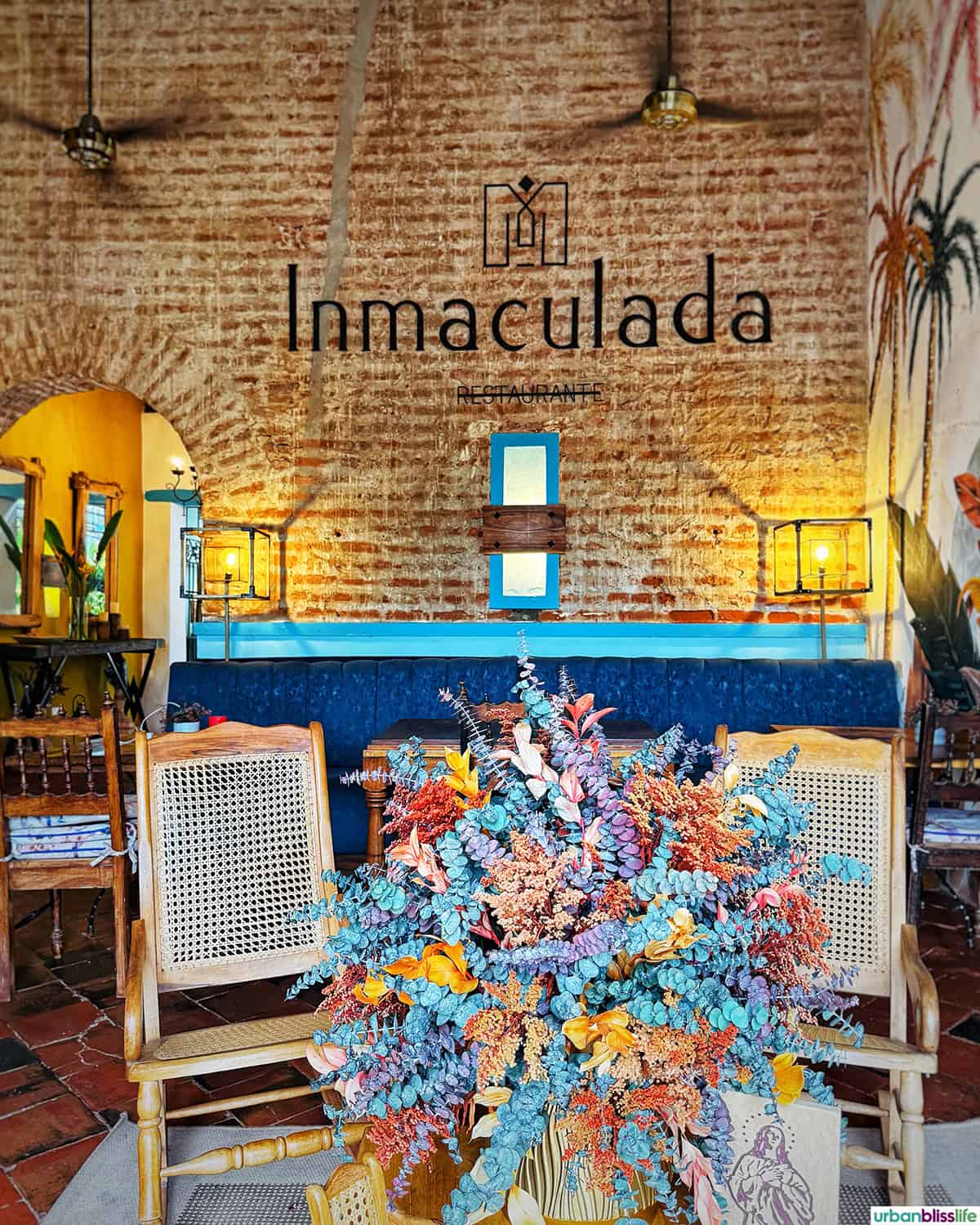
Inmaculada is located in a colonial former home near the river. It brings a slightly more creative approach to the local pantry, using traditional ingredients in ways that feel both rooted and surprising.
Where to stay: Hotel Archangelus
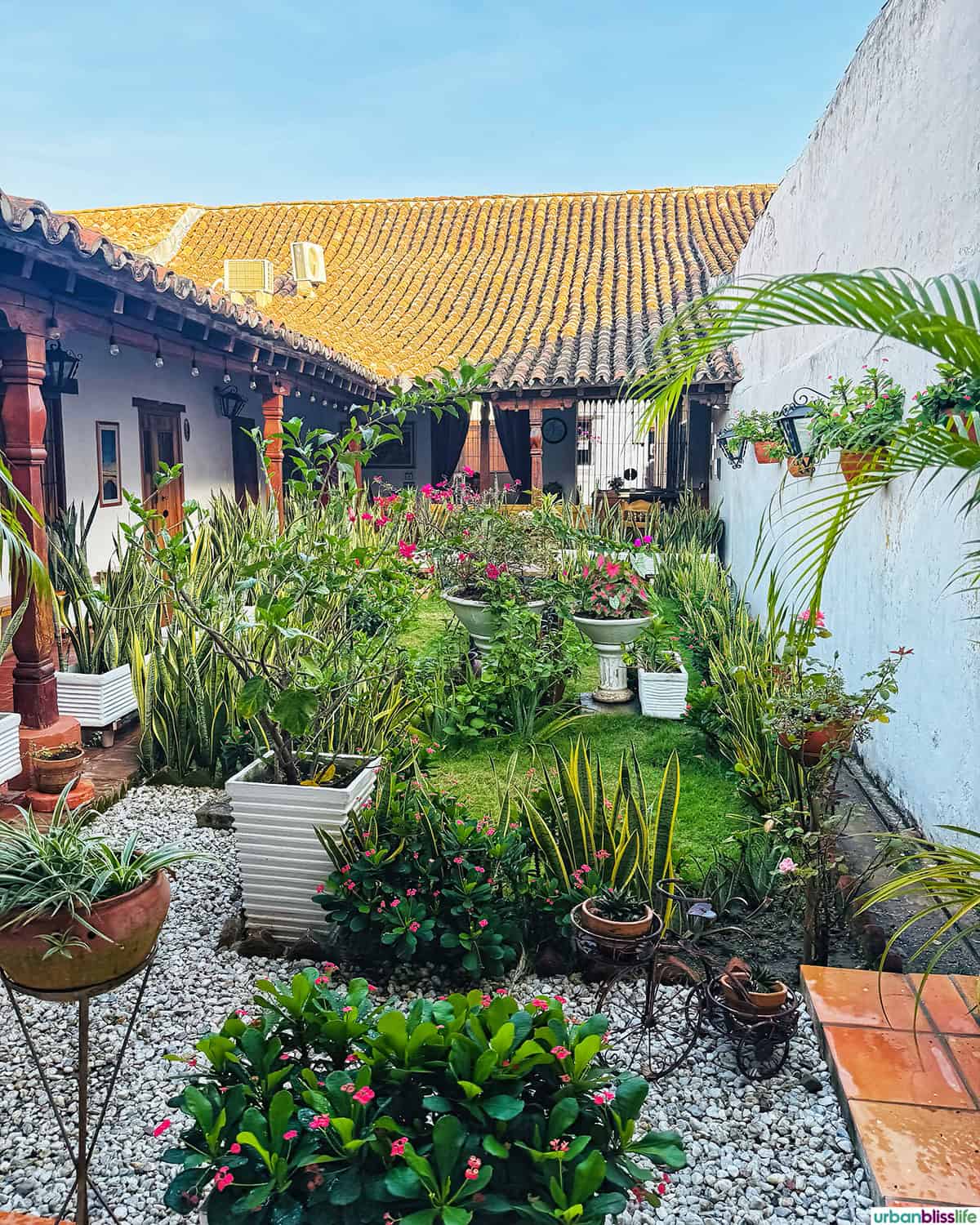
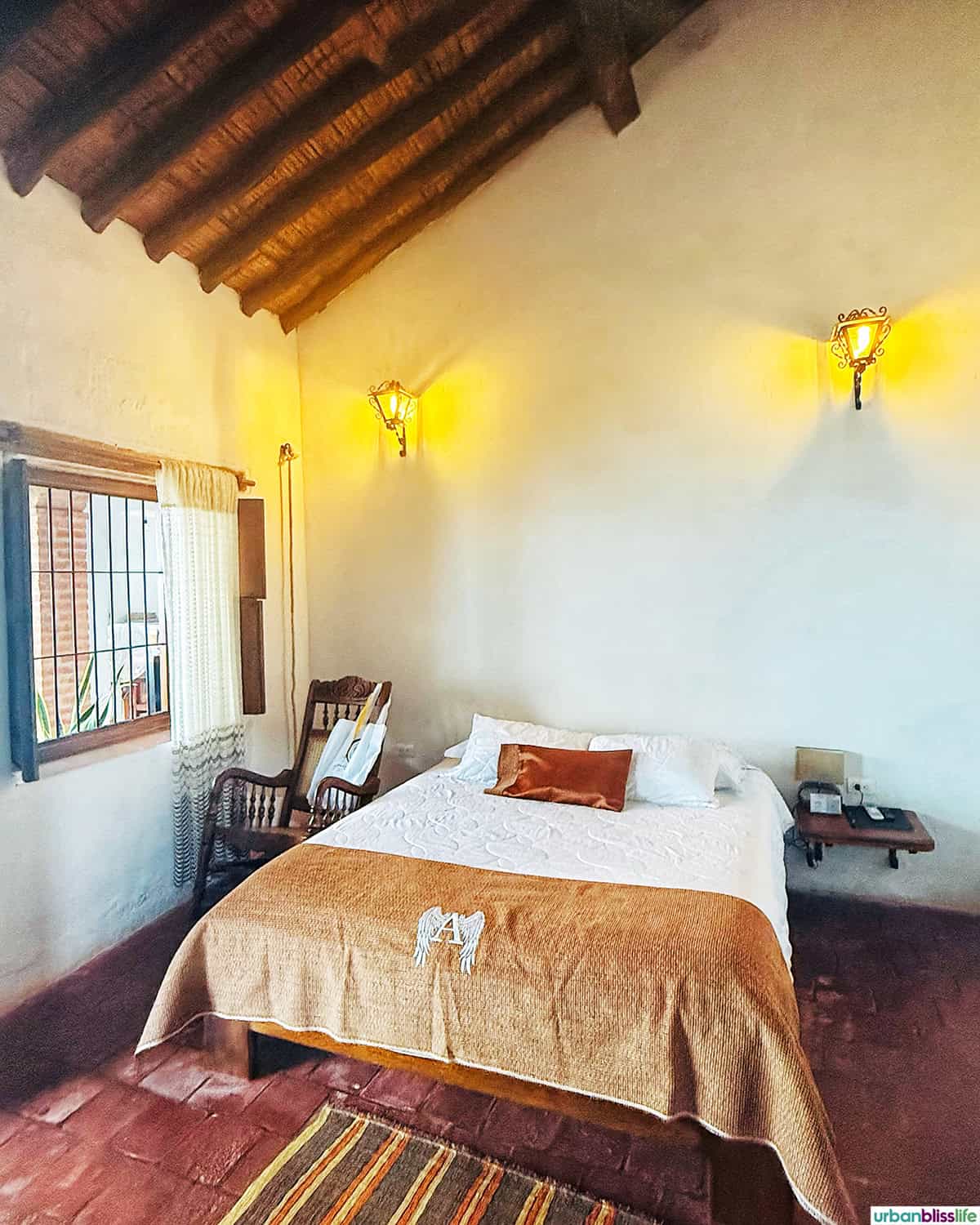
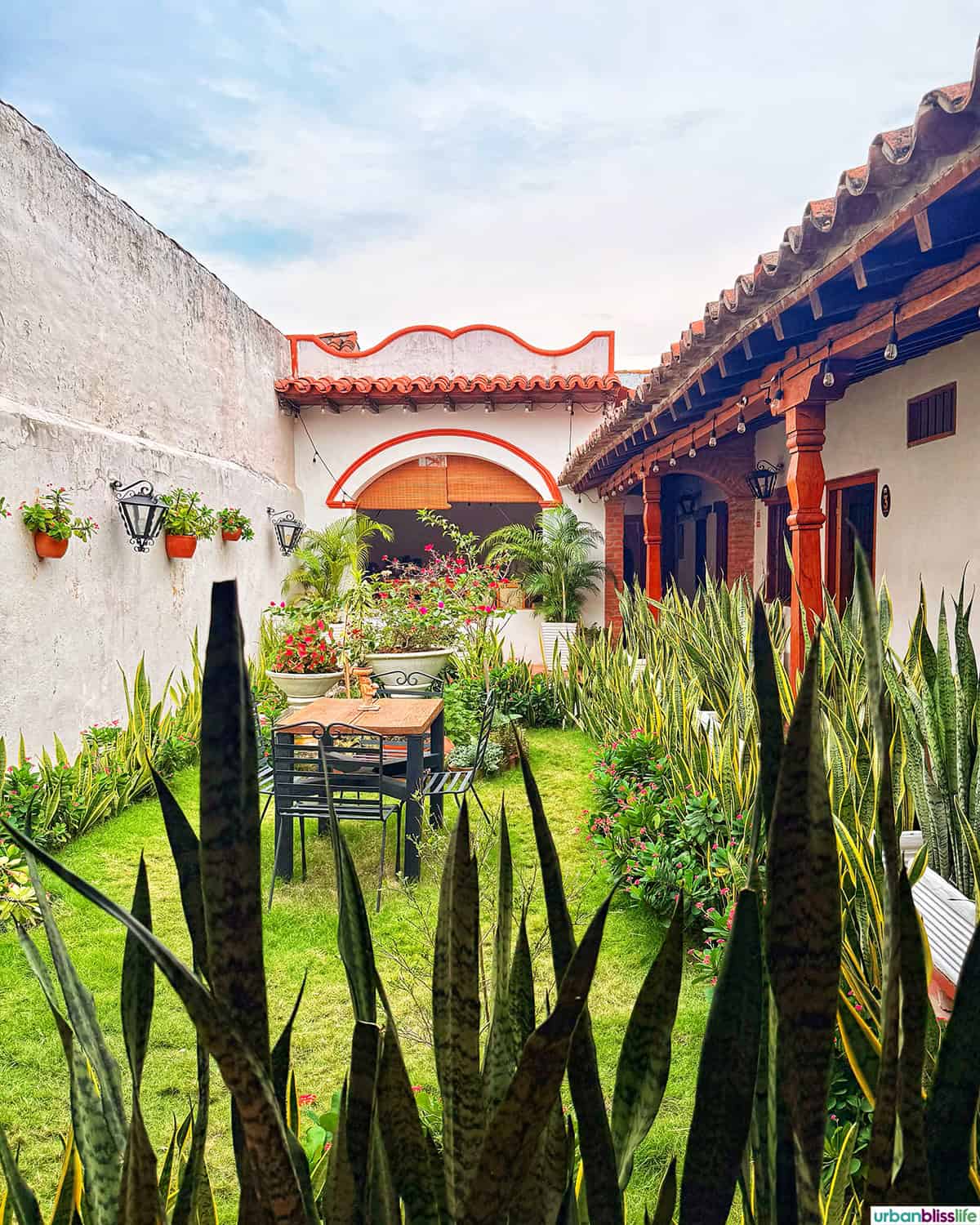
For a truly boutique experience, Hotel Archangelus is a dream. This is where I stayed in Mompox, and I really enjoyed it. It was comfortable, quiet, and so relaxing.
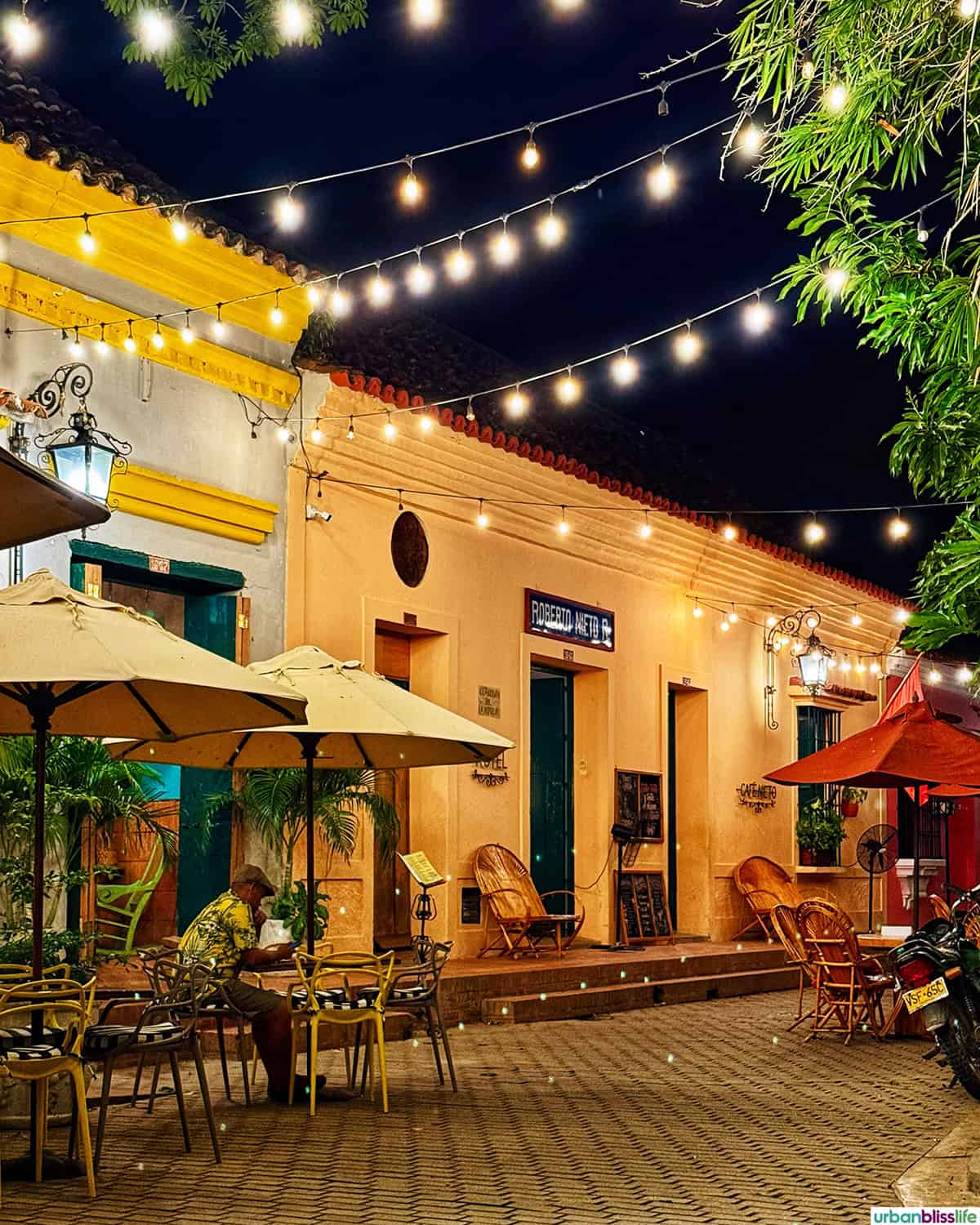
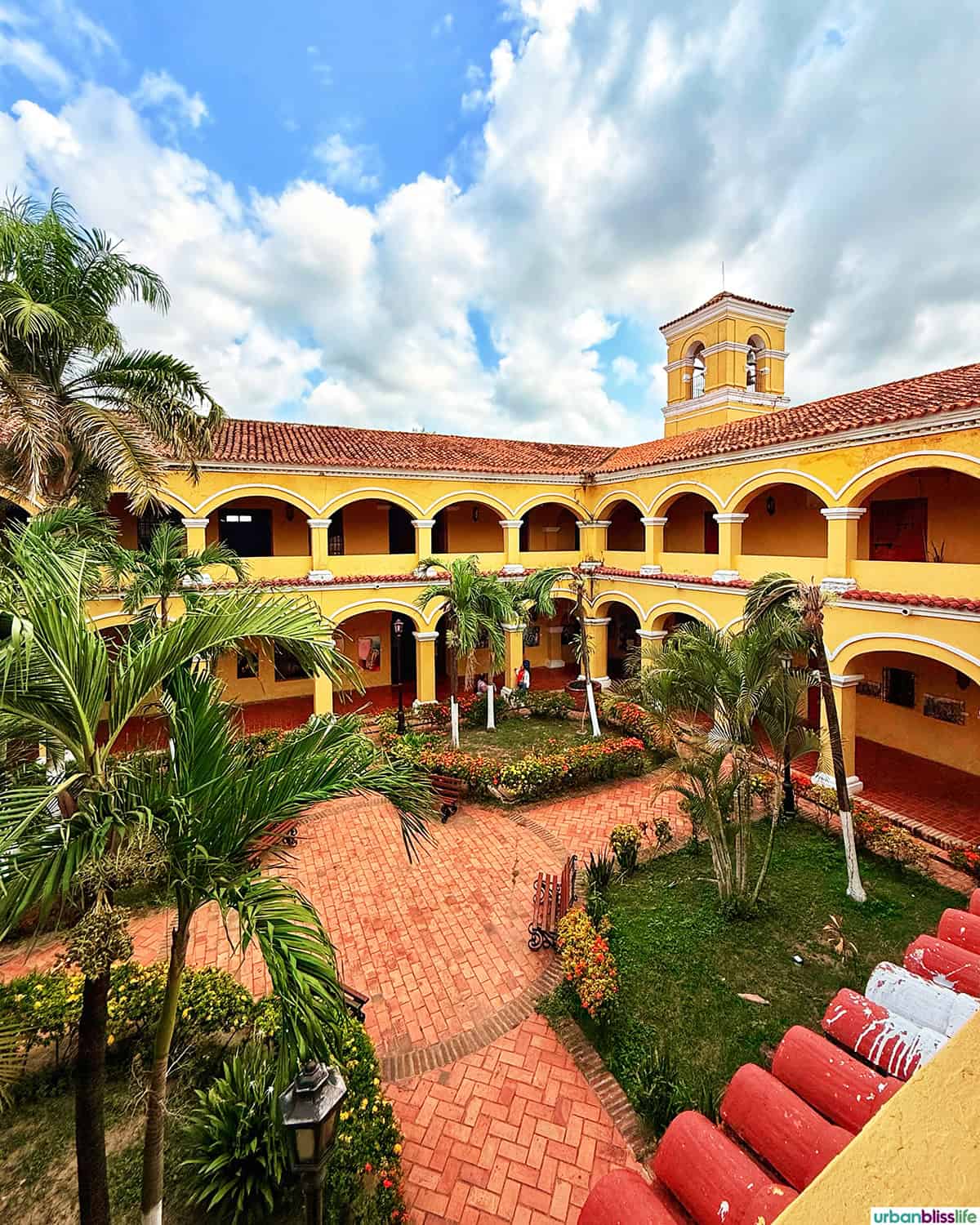
Located in the heart of the historic center, this restored colonial mansion features a stunning inner courtyard, lush greenery, and a refreshing dipping pool. It’s just a 5-minute walk from the main plazas along the riverfront.
The hotel offers only a few rooms, with high ceilings, antique finishes, and air conditionint. Prices generally range from $70 to $120 USD per night depending on the season.
What to pack for a trip to Mompox
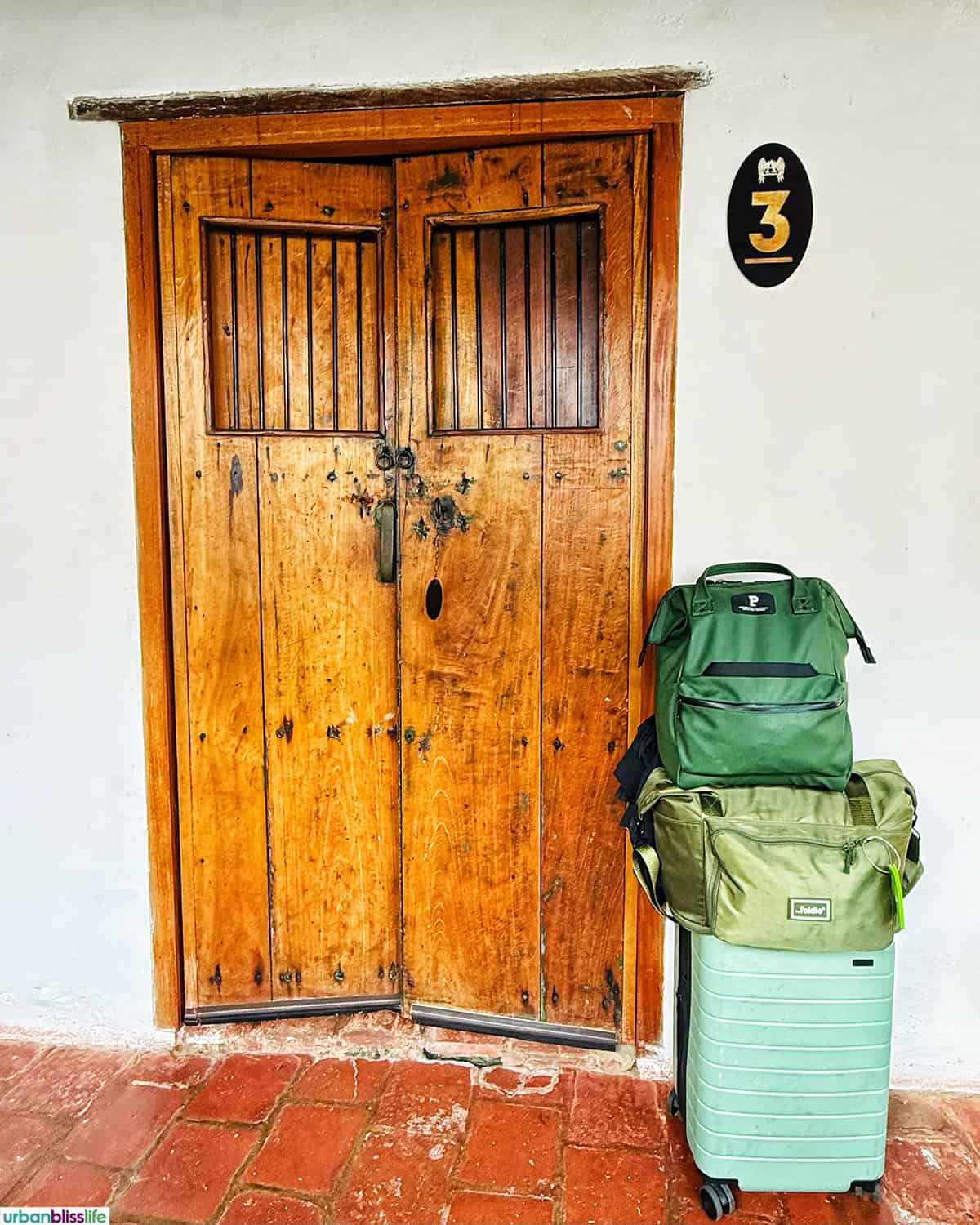
Remember that it gets very hot and humid in Santa Cruz de Mompox. So, you’ll want to pack light, breathable clothing. Linen and moisture-wicking fabrics are your best friends.
Also essentials:
- wide-brim hat
- high-SPF sunscreen
- good walking sandals for the cobblestones
- closed-toe shoes for evening
- insect repellent is essential, particularly for boat excursions
- light rain jacket is useful in the wet season
- small day pack
As far as clothing, most people dress casually here. Pack linen pants and tops, sundresses, and shorts and tasteful tops.
Mompox FAQs
Three nights is a good amount of time to experience the town properly. Don’t rush it. Mompox rewards the unhurried traveler.
Yes! Mompox is known for being one of the safest and most tranquil towns in Colombia. Locals are very protective of their “peace” and are very welcoming to visitors. Mompox has a very low crime rate compared to larger Colombian cities. The town is small, walkable, and the community is tightly knit. I felt very comfortable wandering here on my own, particularly in the historic center. As always, apply standard travel smarts: be aware of your surroundings, especially after dark, and ask your hotel about any areas to avoid. Locals are generally warm and helpful.
The Colombian peso (COP) is the currency. Credit cards are accepted at hotels like Archangelus and some restaurants, but much of Mompox is a cash-oriented town. Bring enough pesos from Cartagena, Barranquilla, or Montería — ATMs in Mompox can be unreliable and are limited. It’s wise to arrive with enough cash for your entire stay.
Tipping is appreciated but not always expected in smaller, family-run establishments. In restaurants, a 10% tip is generous and welcome. For guided tours and boat excursions, tip your guide directly — they work hard and their expertise makes the experience. At hotels, small tips for housekeeping are kind. There’s no rigid formula here, but generosity is always received warmly.
Spanish is the main language in Mompox, and knowing some Spanish will help you enormously. English is spoken in Mompox, especially at most hotels and some restaurants, plus some guides catering to international travelers will have some English. However, it is not widely spoken everywhere here. My tip: download Google Translate and have it ready. And be sure to learn a few courtesy phrases in Spanish before you go. It will go a long way with locals and will be genuinely appreciated.
The dry season (December through March) is the most comfortable, with lower humidity and less rain. The wet season (May through November) brings lush landscapes and incredible wildlife activity, particularly good for birdwatching, when the wetlands are full. Semana Santa (Holy Week before Easter) is a special time in Mompox. The town hosts some of the most famous and atmospheric Easter processions in Colombia, drawing visitors from across the country. If you want to go there for Semana Santa, book well in advance.
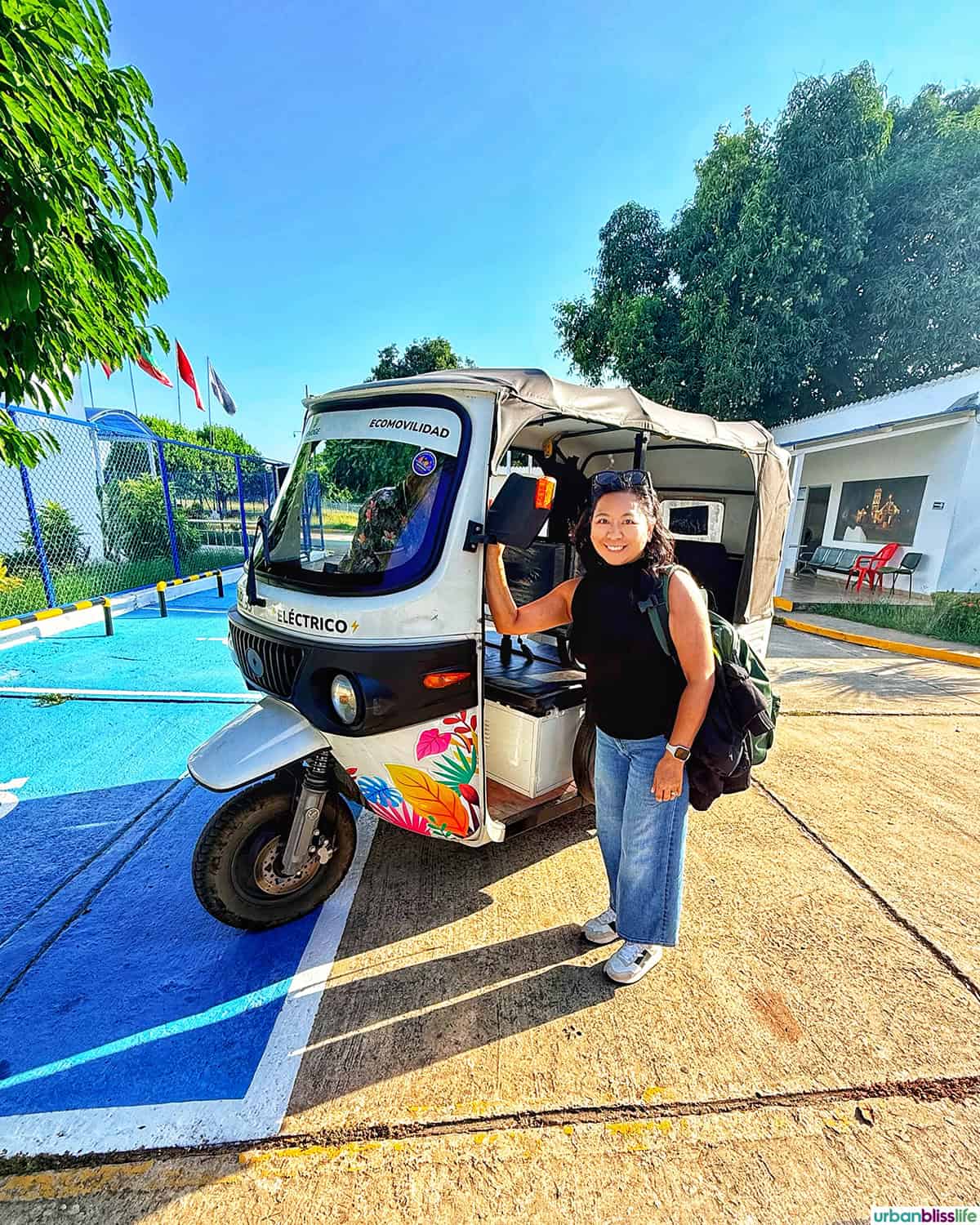
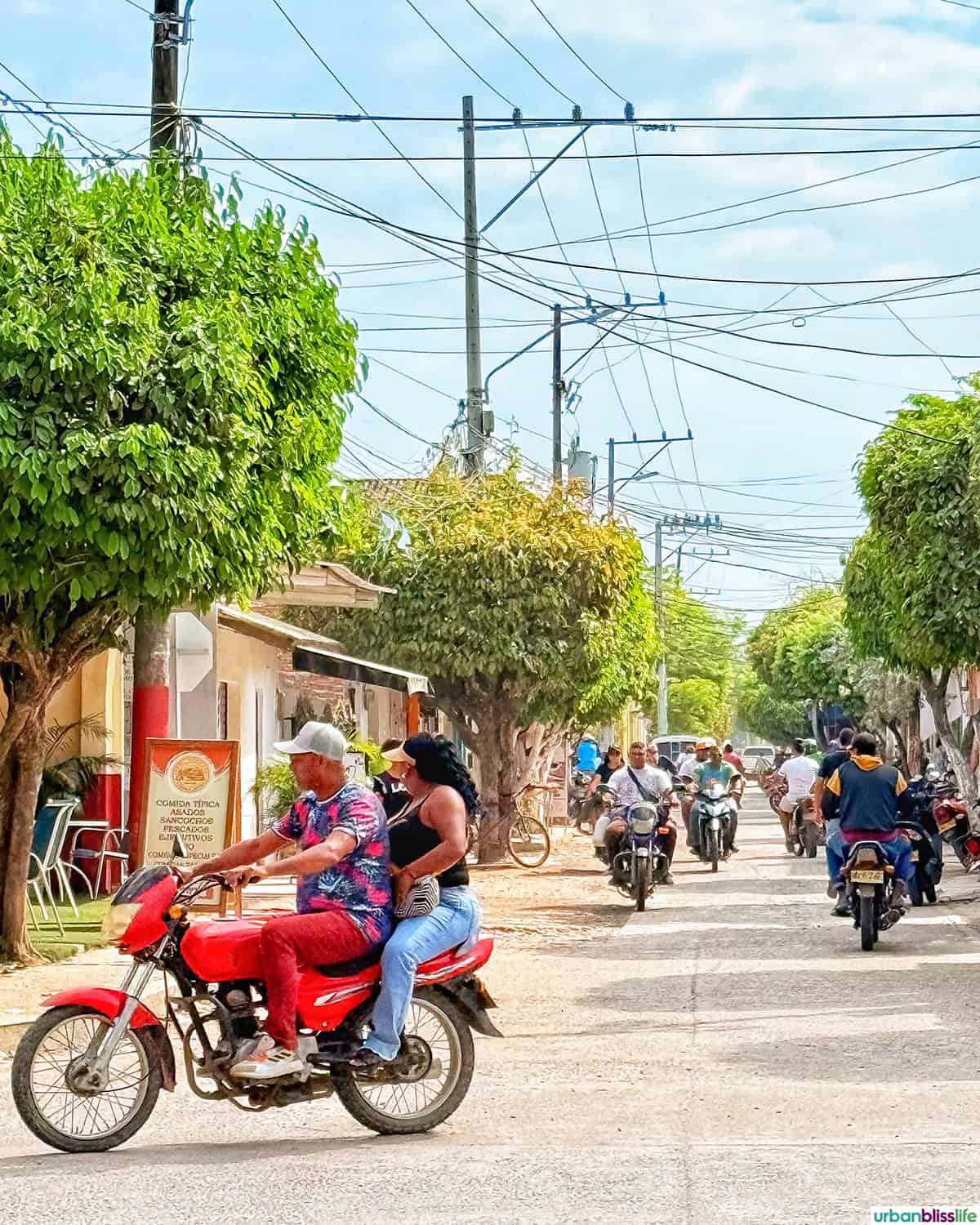
The historic center is very walkable, but tuk-tuks are readily available and very cheap for longer distances. I took a tuk-tuk to the local airport, just 1.2 miles away from my hotel, and it was a great experience!
Coverage is improving but not always reliable. Your hotel will have WiFi, but don’t expect fast streaming. I didn’t have a problem with WiFi in Mompox during my trip.
It’s recommended to stick to bottled or filtered water provided by your hotel.
Mompox is a deeply Catholic town with a strong sense of tradition and community. Dress modestly when entering churches: cover shoulders and knees and carry a scarf or light layer. During Semana Santa, be respectful during processions. This is a profoundly significant religious event, not a tourist attraction. Generally, Momposinos are proud of their heritage and their craft; show genuine curiosity and respect, and you’ll be welcomed with tremendous warmth
Book your next trip to Mompox!
Have you been to Mompox? Are you planning a trip? Drop your questions and experiences in the comments — we’d love to hear from fellow slow travelers who’ve found their way to this remarkable corner of Colombia.
If you visit, please be sure to let them know that you read about it on Urban Bliss Life! And if you snap some pics, tag us @UrbanBlissLife and #UrbanBlissLife on Instagram, TikTok, Twitter, and Facebook.
More Colombia travel articles
✈️ Planning a trip?
Here are my favorite items and resources I use whenever I travel.
🧳 Away Luggage – I’ve traveled all over the world with Away luggage and can’t say enough about their durability and style.
🎒 Backpack – This is my go-to travel backpack. It has pockets everywhere and enough space to fit everything from my laptop to extra shoes.
📍Apple Air Tags – I always hide these airtags away in my luggage, especially if I check bags. That way I can track them and know exactly where they are.
👚 Packing cubes – Take the stress out of packing and make sure everything fits in your bags with this set of compression packing cubes.
⚡️Portable charger – I always travel with a portable power bank for my devices, and I’ve found this one to be the most reliable and long-lasting.
🔌 Travel adapter – Planning to travel to multiple countries? I use this all-in-one international travel adapter to make sure my devices work wherever I go.
🛩 Flights – I’ve found the best savings savings on flights here.
🏨 Hotel – I always snag the best lodging deals with this booking tool.
🚙 Rental cars – You can get some great savings on rental cars on this site.
I use all of these products and earn a small commission through these affiliate links.
Many (but not all) of the experiences written about in this article were from hosted experiences through the Society of American Travel Writers, ProColombia, and Colombia Travel. All opinions and photos are, as always, my own.