

Discover a stunning Andean city in the heart of Colombia’s Coffee Triangle. Here, a warm, vibrant culture awaits adventurous travelers. From bean-to-cup coffee tours set against volcanic mountains to exploring colonial cathedrals with million dollar views, we’ve got some of the best things to do in Manizales, Colombia.
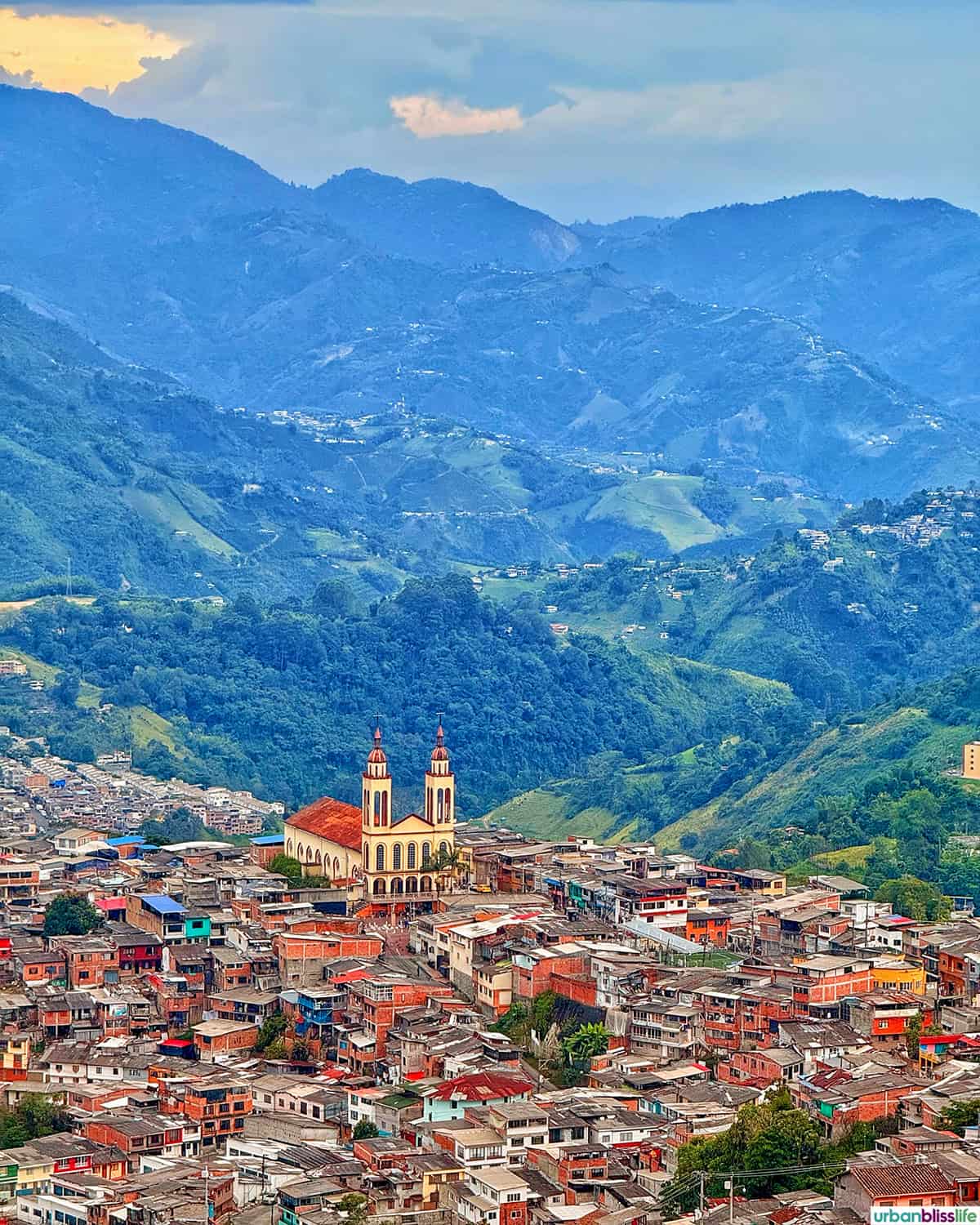
If you’re looking to venture off the tourist trail, plan a visit to Manizales, Colombia.
This mountain city is dramatically perched at 2,150 meters above sea level, in central Colombia’s lush Andes. Surrounded by coffee farms, cloud forests, and the ever-watchful Nevado del Ruiz volcano on the horizon, it almost feels a world apart from the louder, bustling cities of Bogota and Cartagena.
During my travels to Colombia, I had the pleasure of spending three days and two nights in Manizales. I loved the lush forested mountainsides, colorful hillside neighborhoods, the buzzing university town energy in city center, and the friendly locals who are genuinely proud to share their culture — and their coffee — with you.
Manizales is small enough to feel intimate, yet rich enough in experiences to keep you busy. Once you visit, you’ll wonder why it took you this long to find it.
Table of Contents
- About Manizales, Colombia
- How to get to Manizales
- The vibe: caffeinated, cultured & genuinely cool
- ⛪ Climb the Cathedral Basilica of Our Lady of the Rosary
- 🫏 Mule riding at La Juana
- Where to stay in Manizales
- What to pack for a trip to Manizales
- Manizales FAQs
- Altitude adjustment
- Book your next trip to Manizales
- More Colombia travel articles
About Manizales, Colombia
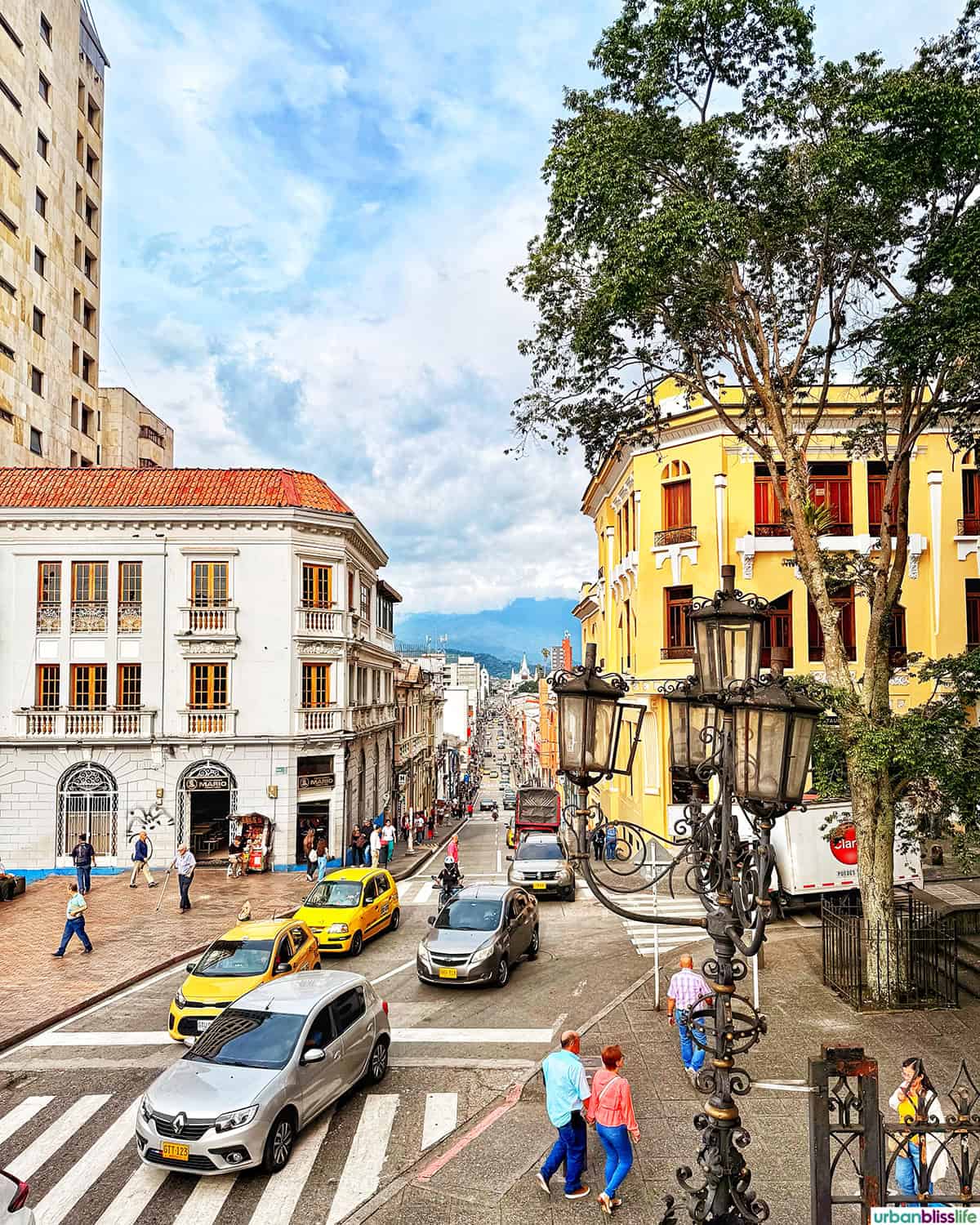
Manizales is located in central Colombia, and is the capital of the Department of Caldas.
A group of Antioquian settlers founded Manizales in 1849, pushing south through the Andes in search of fertile land. What they found was extraordinary: rich volcanic soil, a temperate mountain climate, and the perfect conditions for growing what would become Colombia’s most famous export — coffee. All discoveries that are still at the beating heart of Manizales today.
The city grew quickly as a commercial hub for the region’s booming coffee trade. That prosperity shaped its architecture, its culture, and its identity.
Today, Manizales sits proudly in the heart of the Eje Cafetero (Coffee Axis) — a UNESCO-recognized Coffee Cultural Landscape that stretches across three departments.
History here isn’t locked in a museum; it’s woven into every hacienda, every cup, and every conversation.
How to get to Manizales
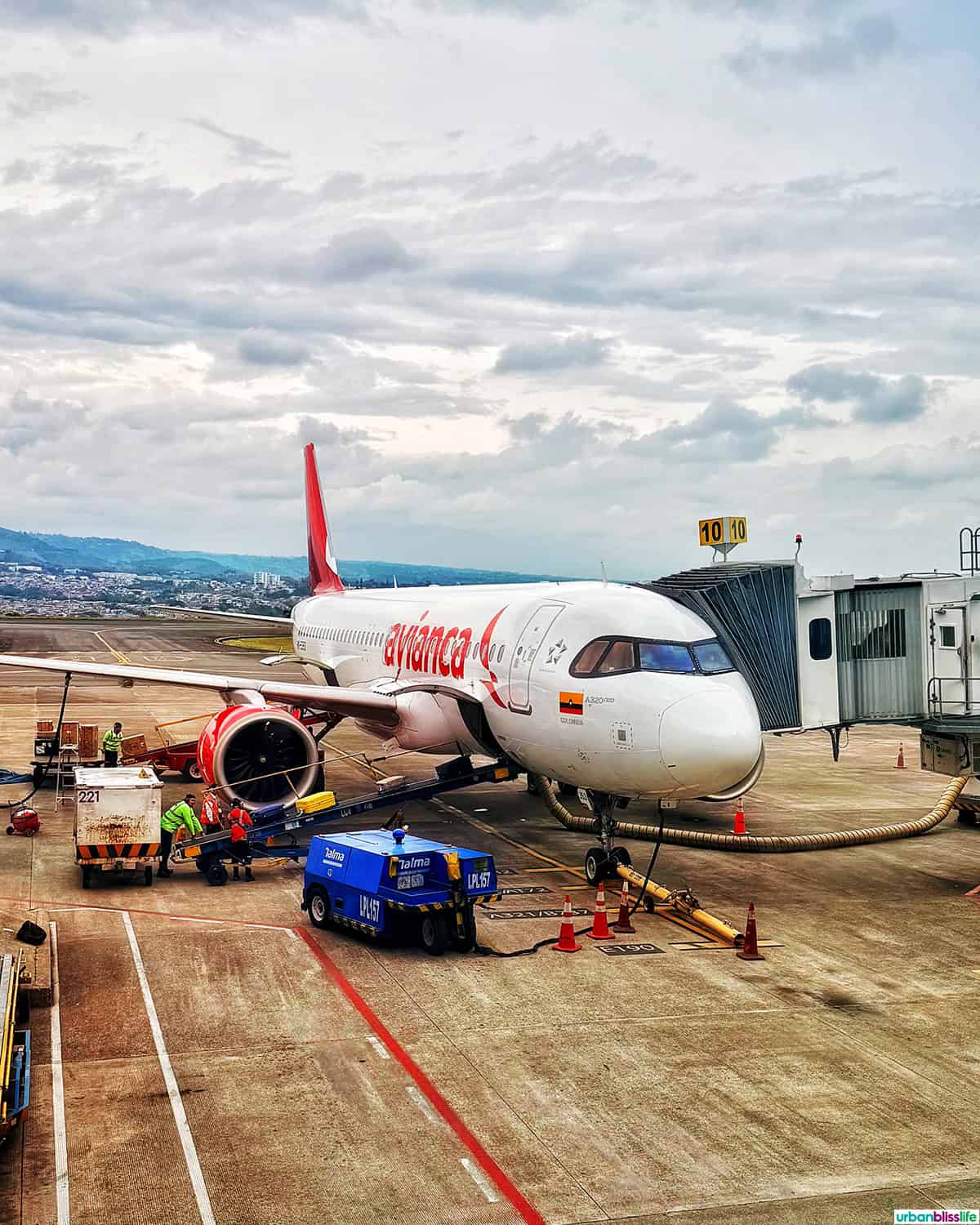
Nearest airport: Most international travelers fly into El Dorado International Airport in Bogotá (BOG) or José María Córdova Airport in Medellín (MDE). From either city, you can then fly one of the regional airline carriers into La Nubia Airport (MZL). Or, you can reach Manizales by bus (roughly 3.5–4 hours from Medellín, about 7 hours from Bogotá).
From Bogotá: Copa, Avianca, and LATAM airlines all offer connecting flights. Alternatively, the scenic bus ride through the mountains is genuinely beautiful (grab a window seat!).
From Medellín: An easy 3.5-hour drive or bus ride south through the Andes, passing through some of the most gorgeous highland scenery in Colombia. Many travelers pair both cities in one trip.
Getting around Manizales: Taxis and apps like InDriver are affordable and widely used. For hacienda visits outside the city, arrange transport through your hotel or book a tour. Roads can be steep and winding.
🇨🇴 Fellow food lovers: Learn more about Colombian cuisine in our article about Traditional Colombian Foods.
The vibe: caffeinated, cultured & genuinely cool
Manizales is a university city. Home to several major universities, the city hums with youthful energy, independent cafés, lively bars, and a cultural scene that punches well above its weight.
You’ll find world-class coffee, incredible cuisine, and a vibrant nightlife.
The surrounding landscape is the real showstopper, and that’s where I spent most of my time in Manizales.
This coffee-fueled city sits on a dramatic ridgeline with the Andes tumbling away in every direction. On a clear morning, you can see Nevado del Ruiz — an active stratovolcano capped with snow and glaciers. The air is crisp, the light is golden, and the views are relentless.
This is also a city that takes its coffee seriously. For me, the best part of Manizales is going beyond just drinking coffee here. It’s standing in the mountainsides where coffee grows, meeting the farmers who tend it, and learning a craft that generations of Colombian families have perfected.
7 Reasons Manizales Belongs on Your Bucket List

- 👩🌾 Authentic, non-touristy vibes — warm locals, real culture, and the sense that you’ve genuinely discovered something
- ☕ It’s the beating heart of Colombian coffee culture — haciendas, tours, tastings, and harvests, all within minutes of the city
- 🌋 Volcano views that stop you mid-sentence — Nevado del Ruiz is a dramatic, snow-capped backdrop to daily life
- 🏛️ Stunning architecture — from the neo-Gothic Cathedral Basilica to colorful colonial neighborhoods
- 🌿 Lush natural beauty — cloud forests, thermal springs, and dramatic Andean landscapes right on your doorstep
- 🍽️ A food scene that’s quietly exceptional — innovative Colombian cuisine meets the freshest local ingredients
- 💆 Thermal springs — soak in volcanic geothermal pools surrounded by mountain jungle
Here’s a look at some of the best things to do in Manizales, Colombia that I had the pleasure of experiencing during my trip here.
☕ Hacienda Venecia: coffee, chocolate, rum, and so much more
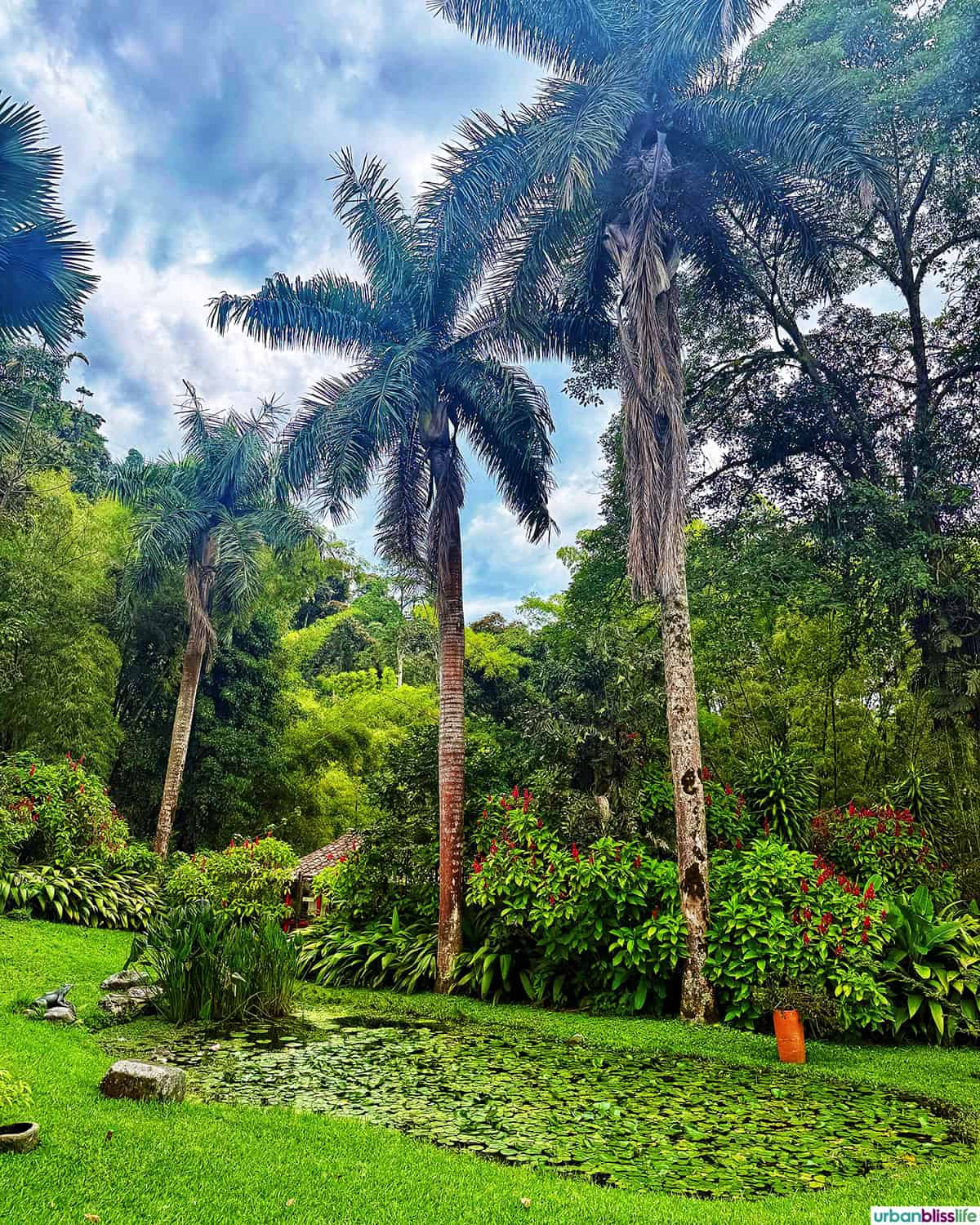
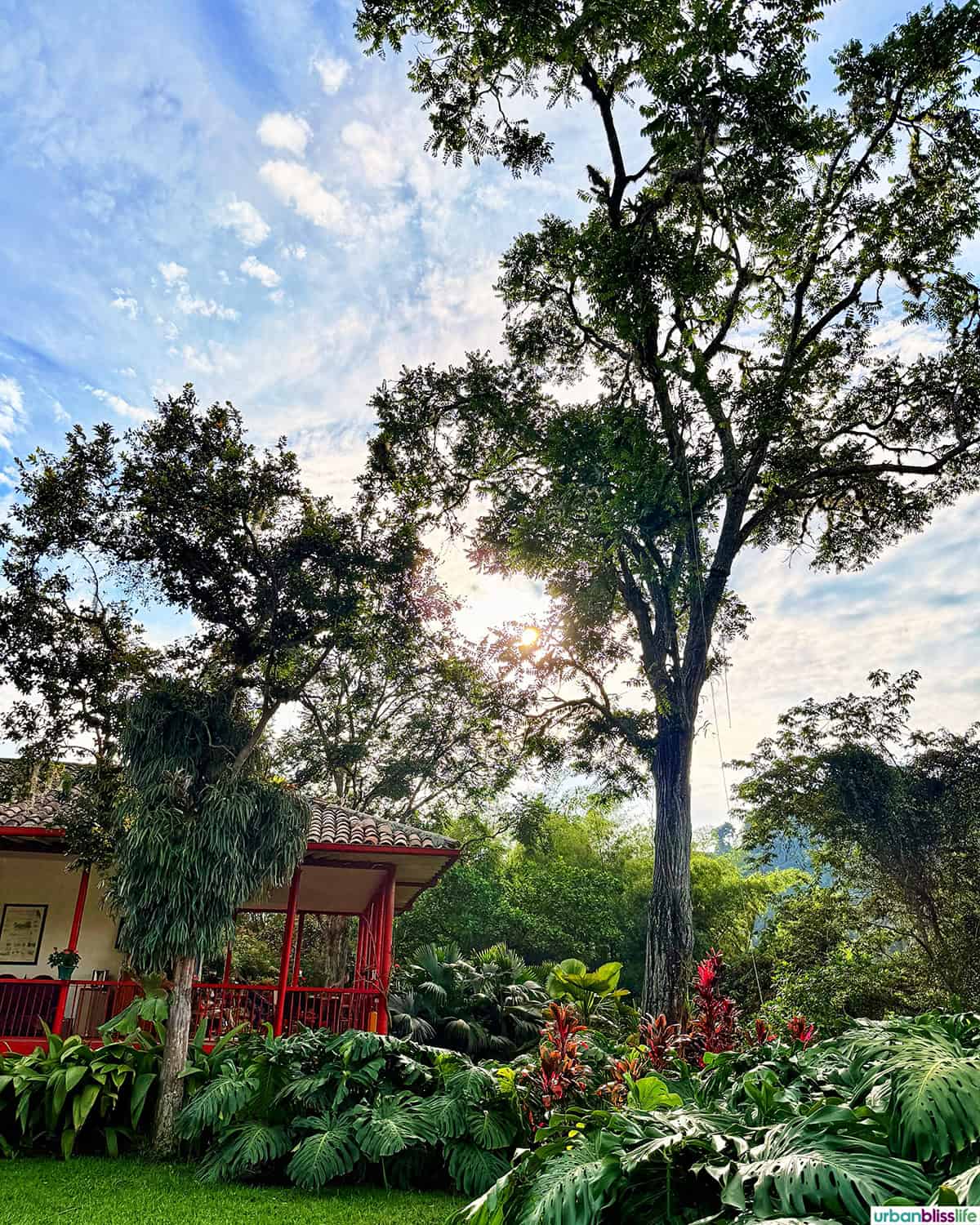
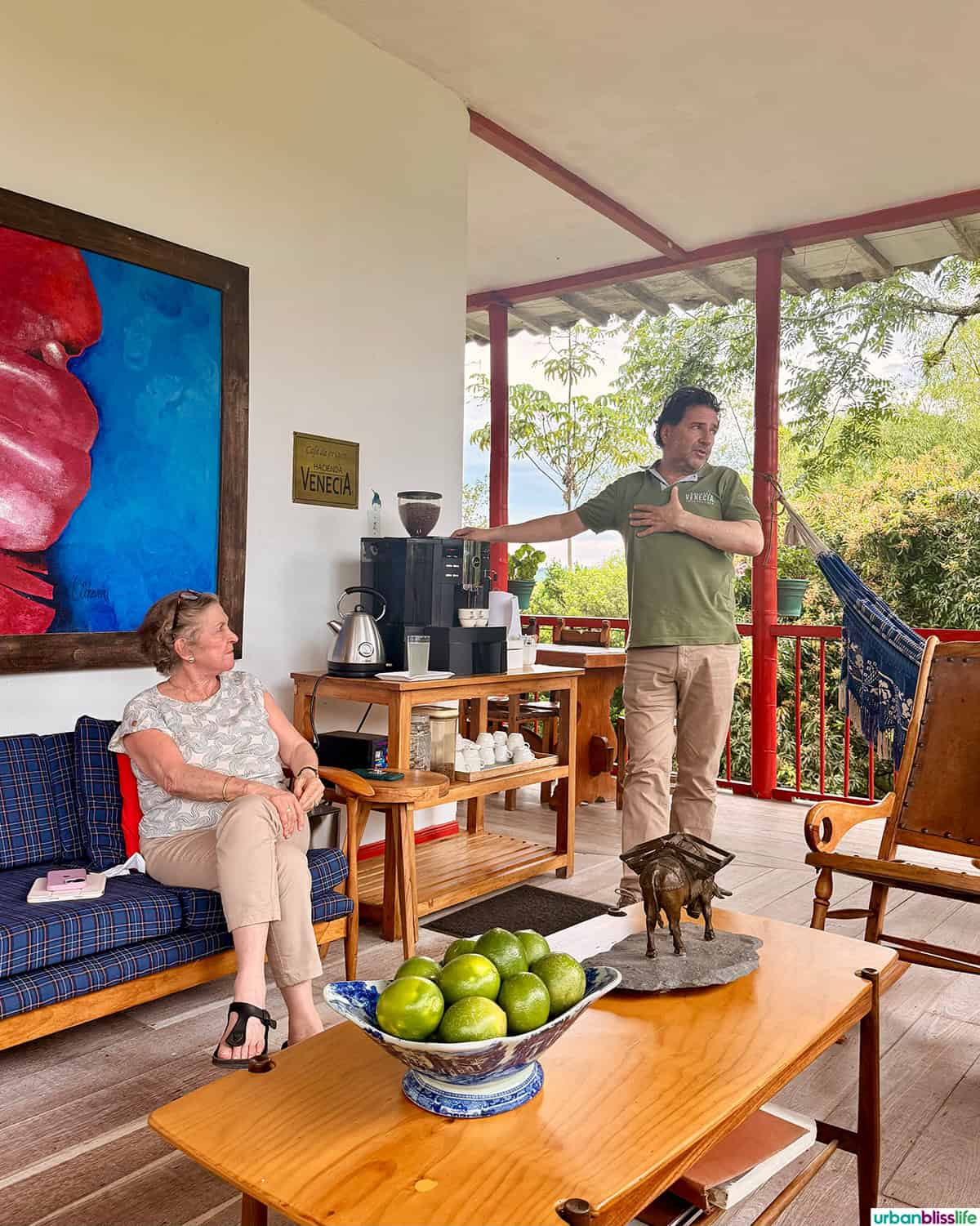
If you do one thing in Manizales, make it a visit to Hacienda Venecia.
This award-winning, fourth-generation family coffee farm is the gold standard of coffee tourism in Colombia. Once you’ve been, you’ll understand why.
Located in the mountains just outside of the city, Hacienda Venecia is a gorgeous oasis. The stunning landscape is reason enough to visit.
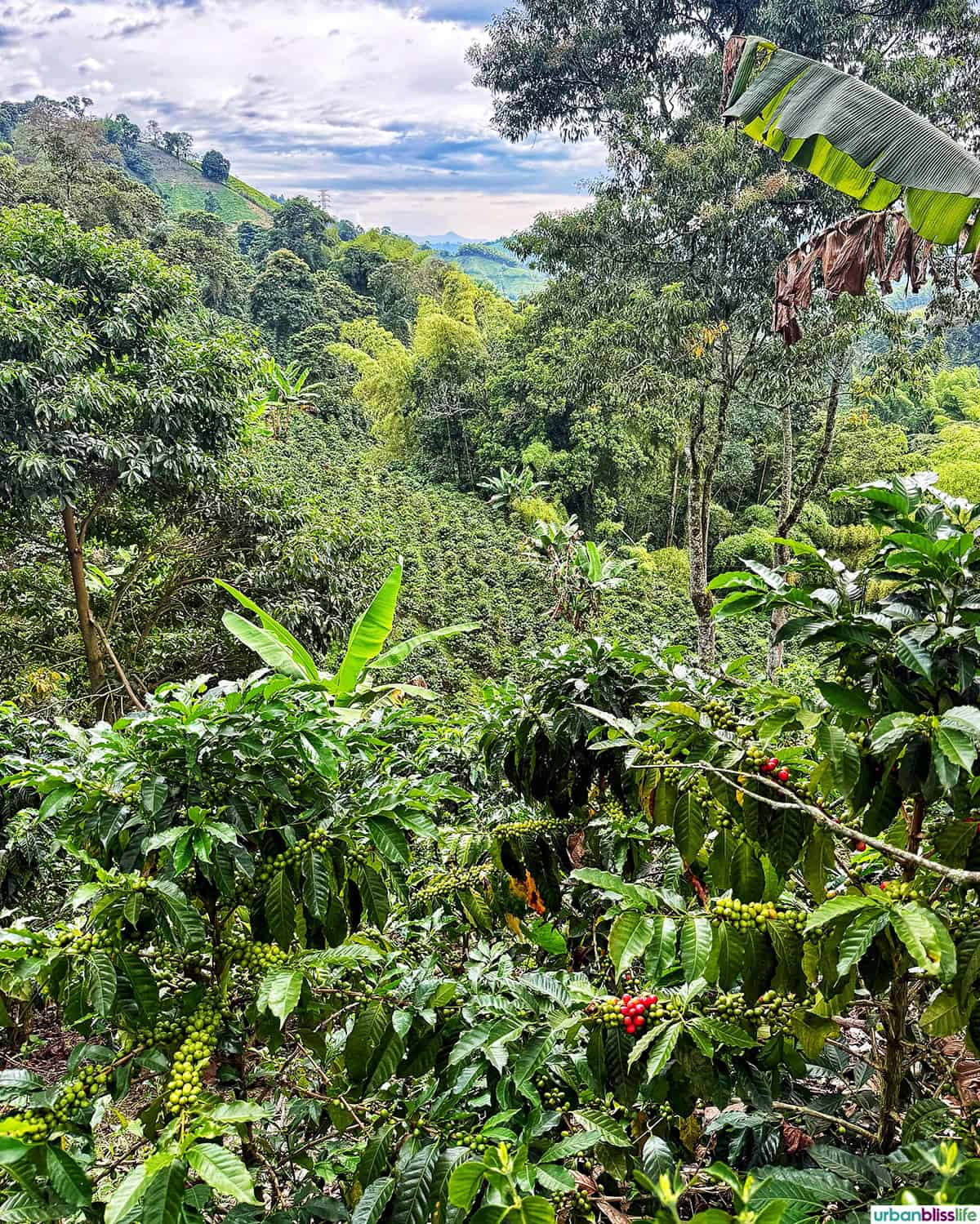
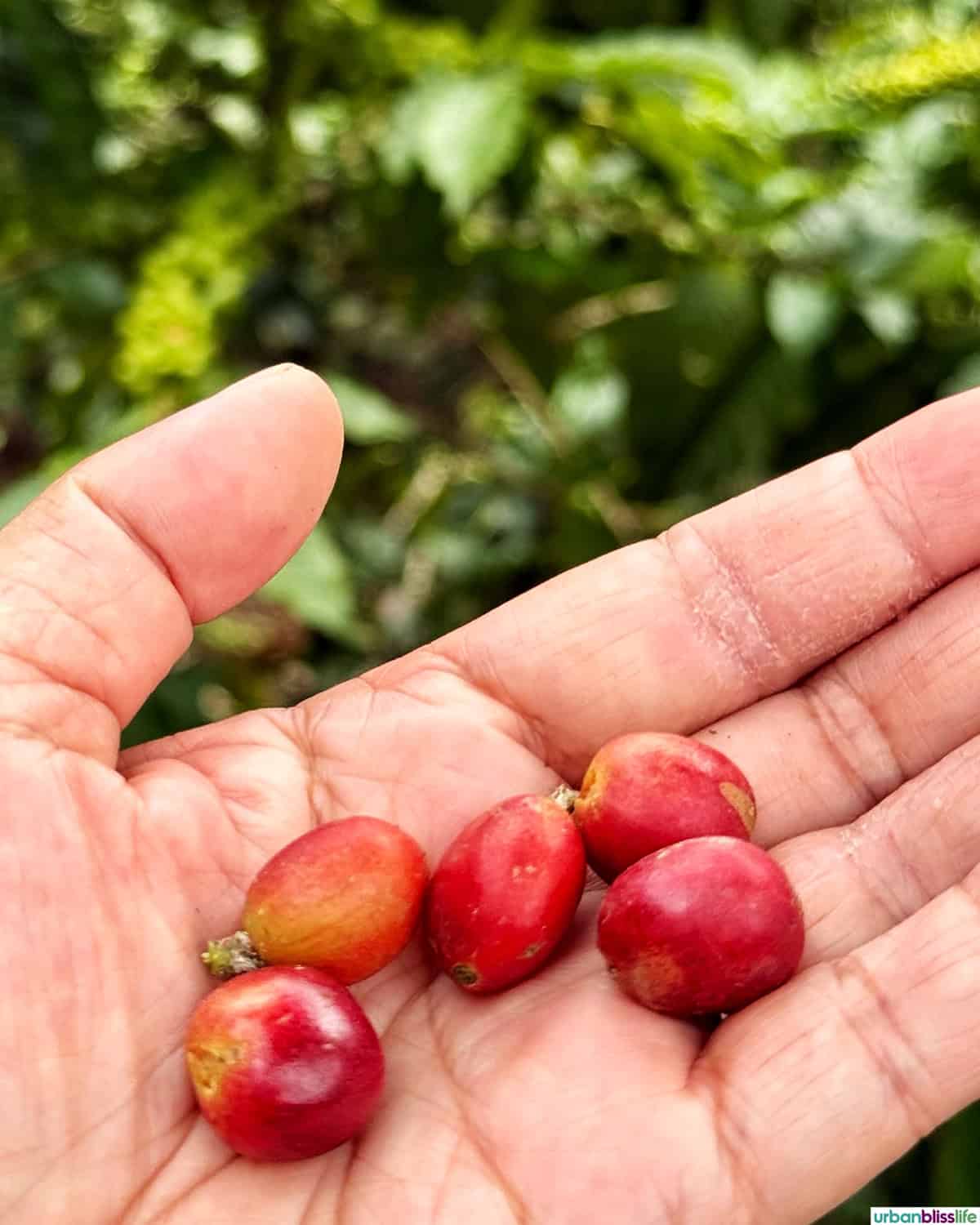
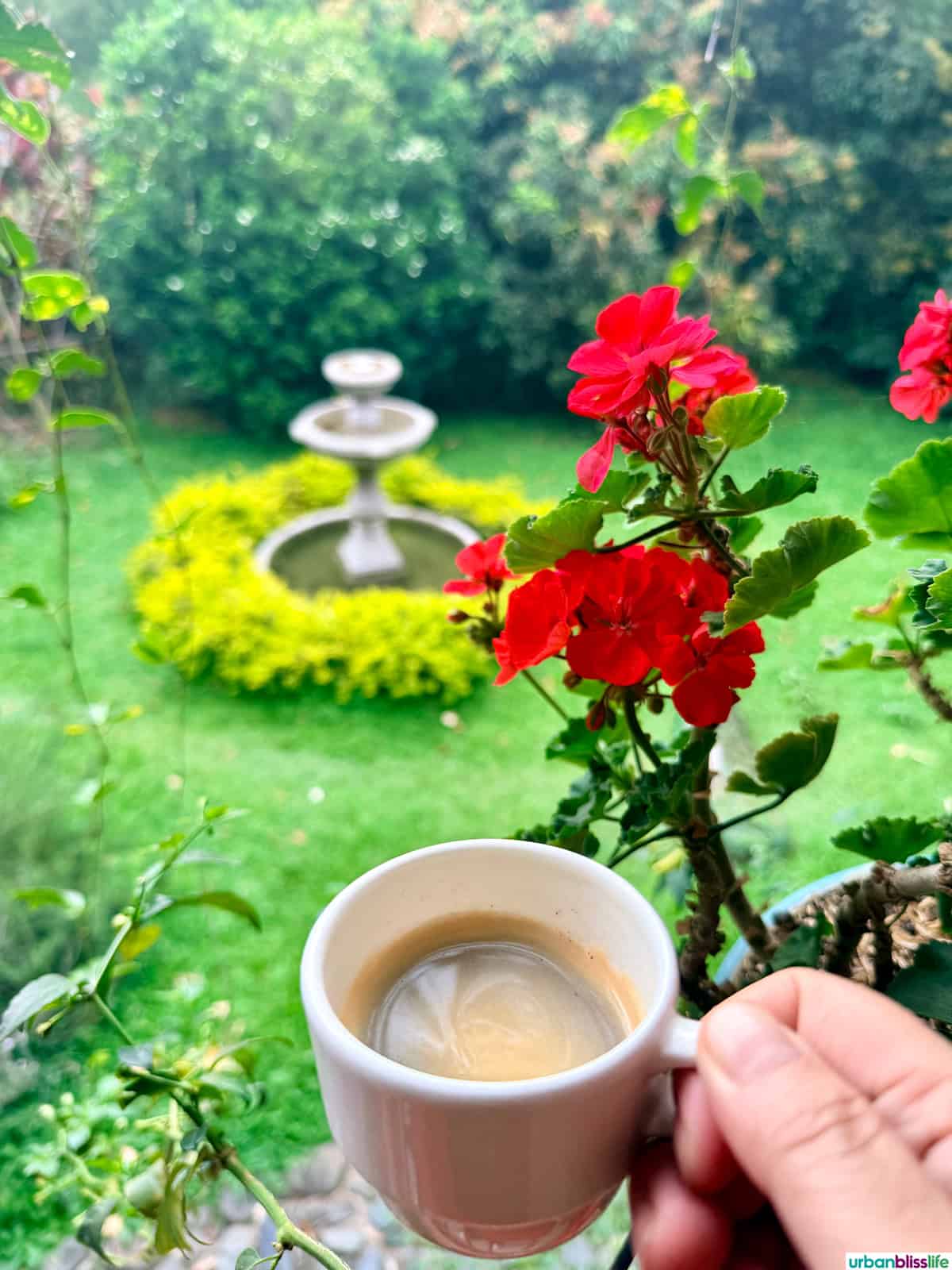
The bean-to-cup coffee tour takes you through the entire journey: walking the rows of coffee plants, picking ripe red cherries by hand, learning the processing methods, and finally learn how to do a traditional coffee cupping of the finished product. It’s educational, immersive, and absolutely delicious.

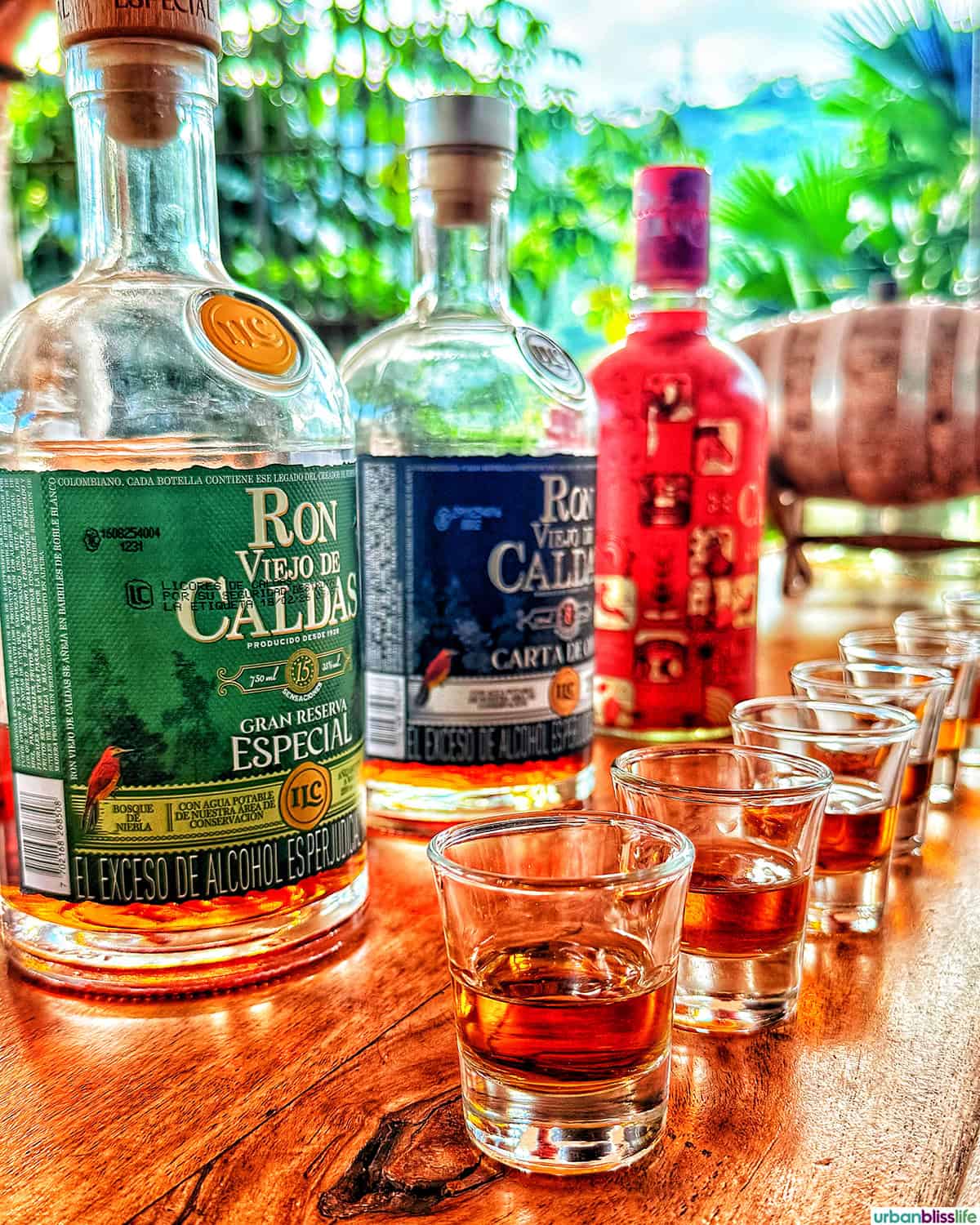
But Hacienda Venecia doesn’t stop at coffee. They also offer a rum making experience, where you’ll learn about aguardiente and rum traditions in the region. You can also enjoy an artisan chocolate workshop that explores the farm-to-bar cacao process.
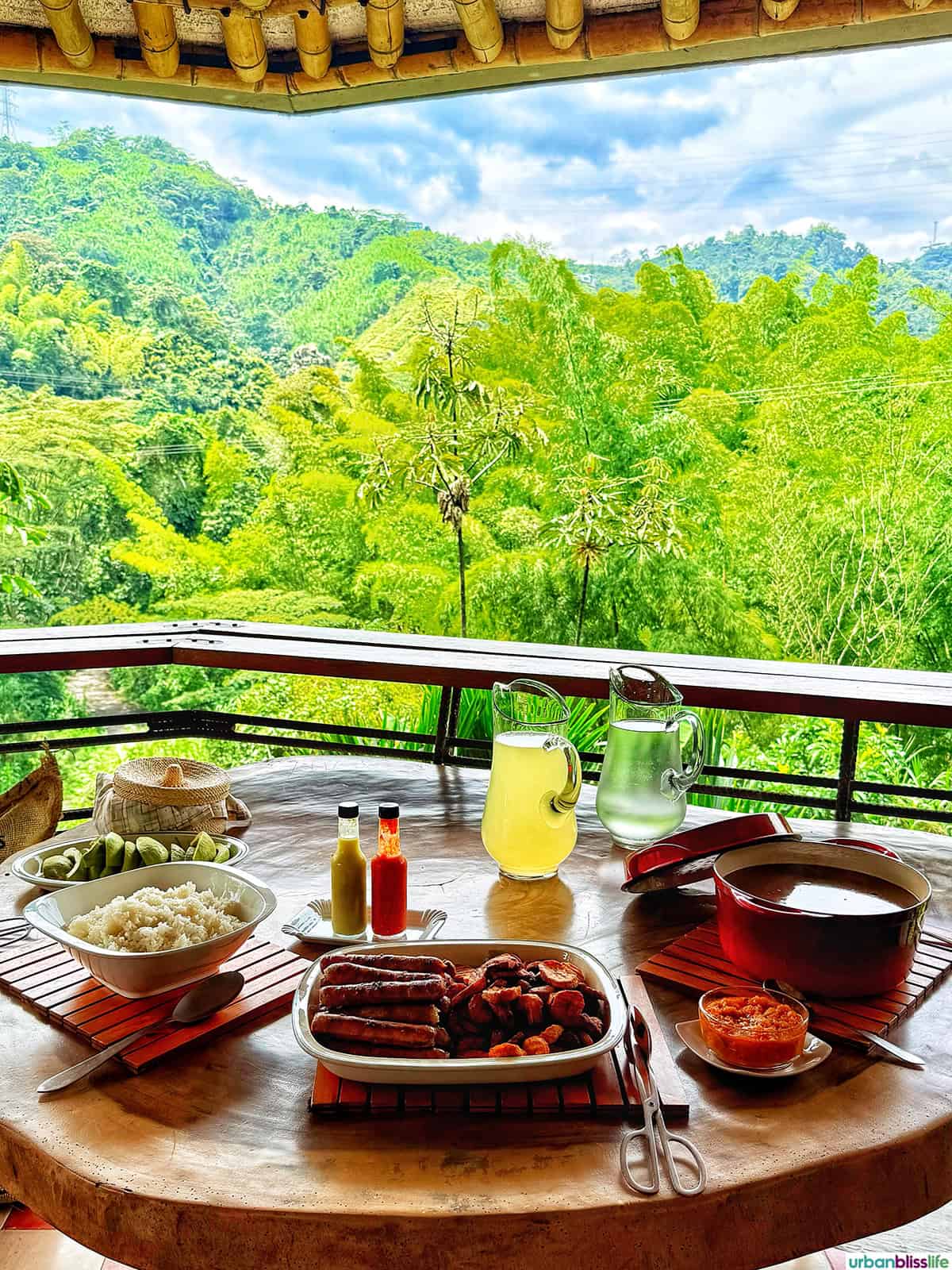
If you stay overnight at Hacienda Venecia’s beautifull restored farmrooms, your stay also includes breakfast. You can make reservations for lunch or dinner, where you’ll be served traditional Colombian fare such as frijoles, ajiaco and sancocho.
There are also many hiking trails nearby, and bird watching opportunities.
⛪ Climb the Cathedral Basilica of Our Lady of the Rosary
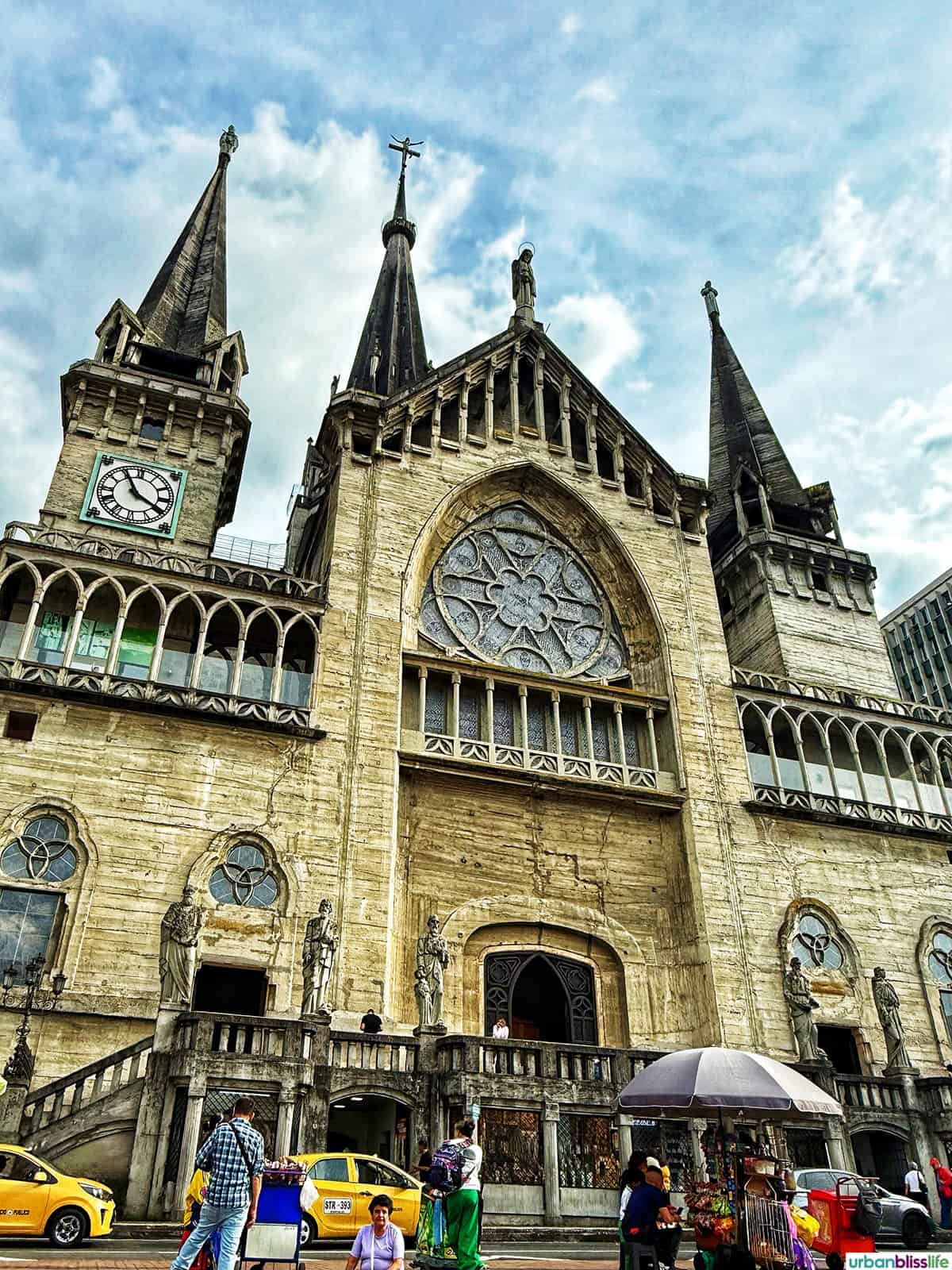
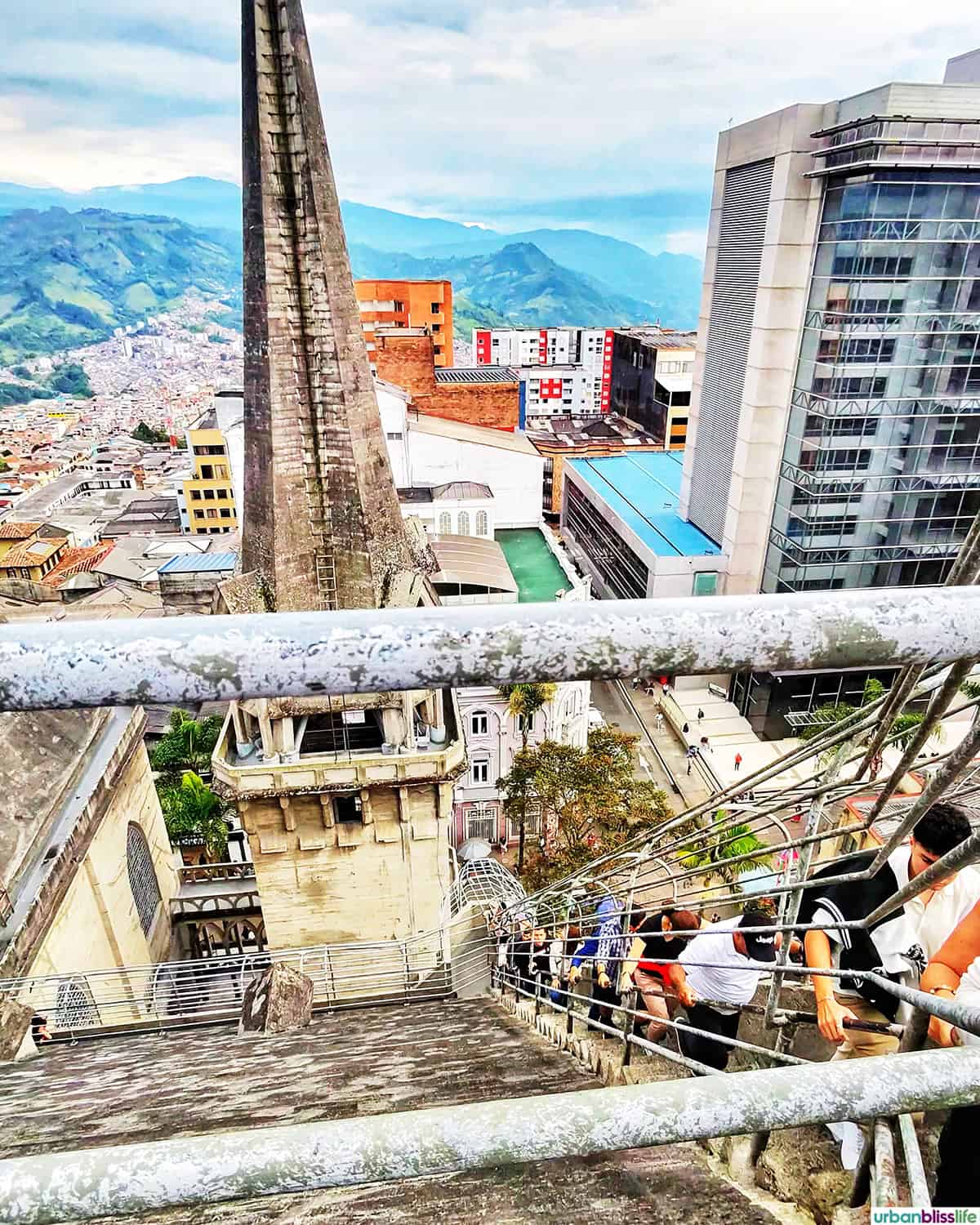
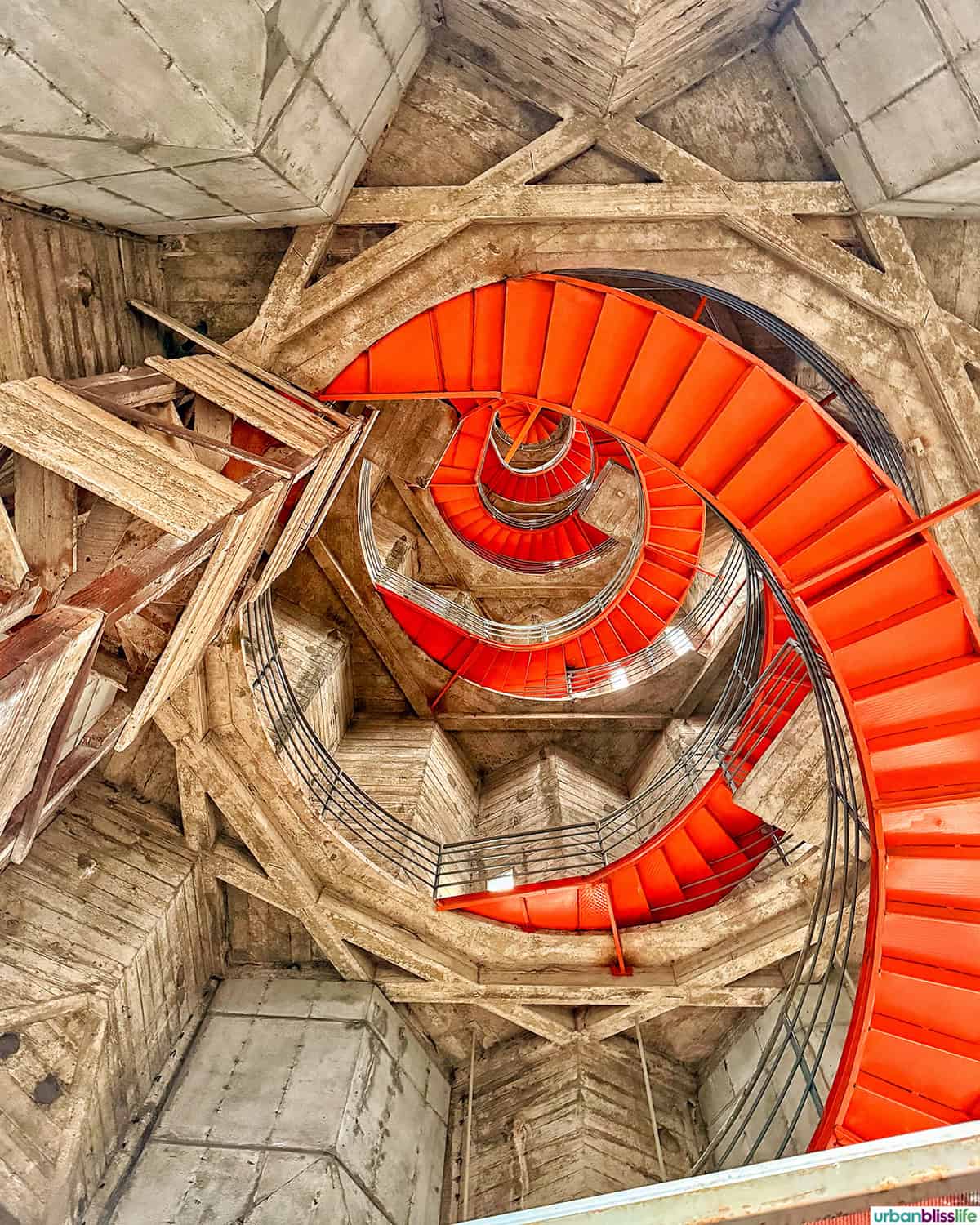
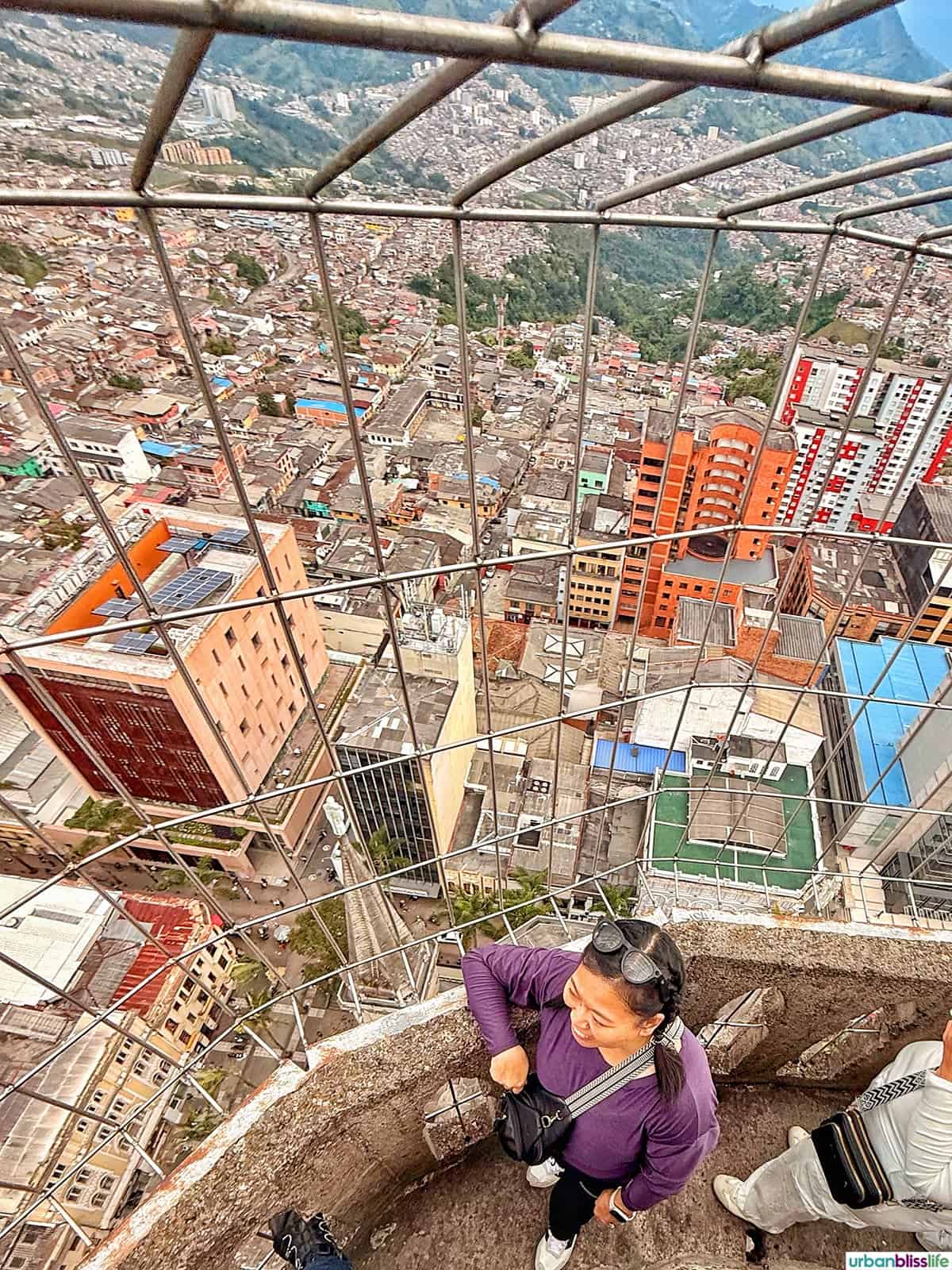
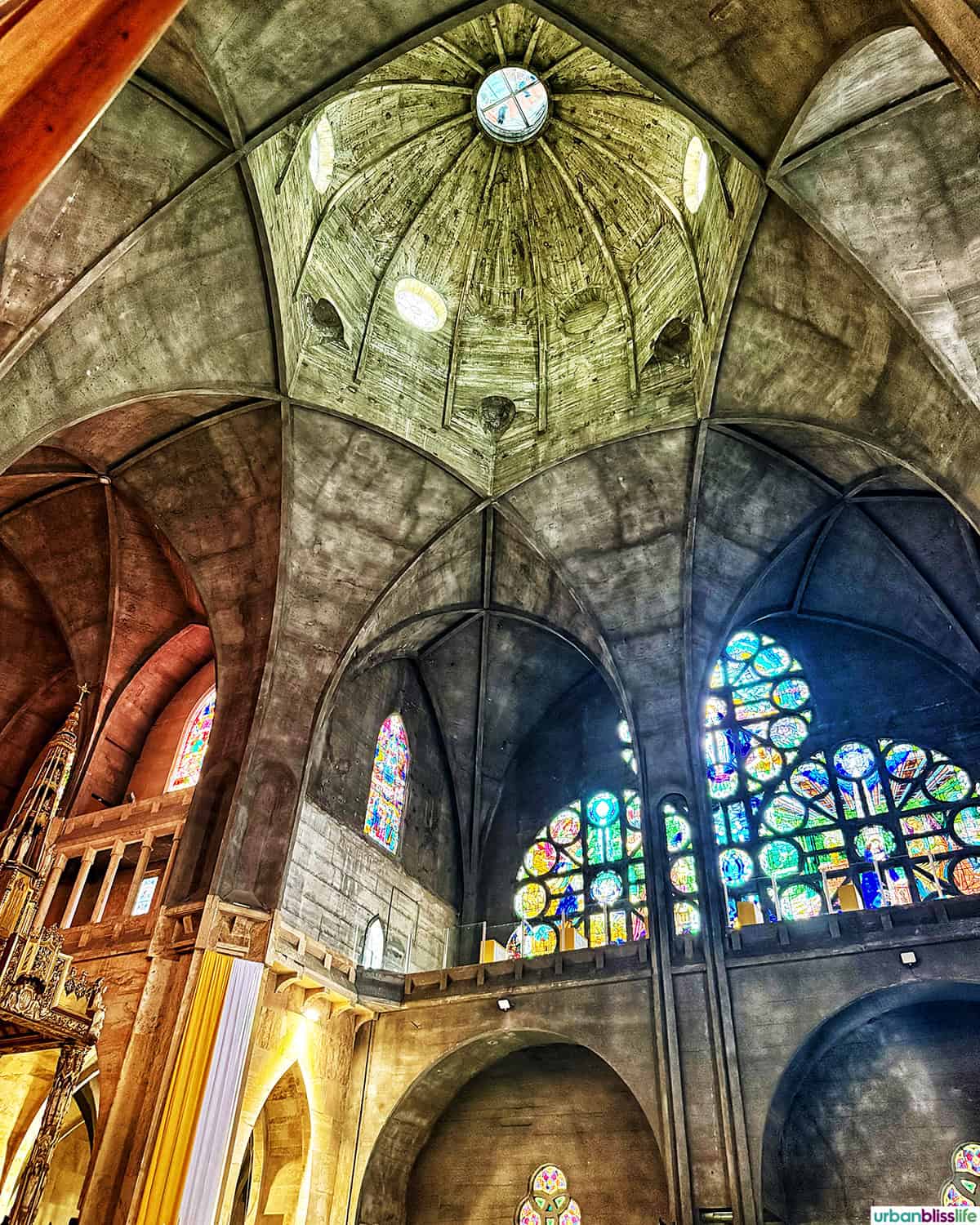
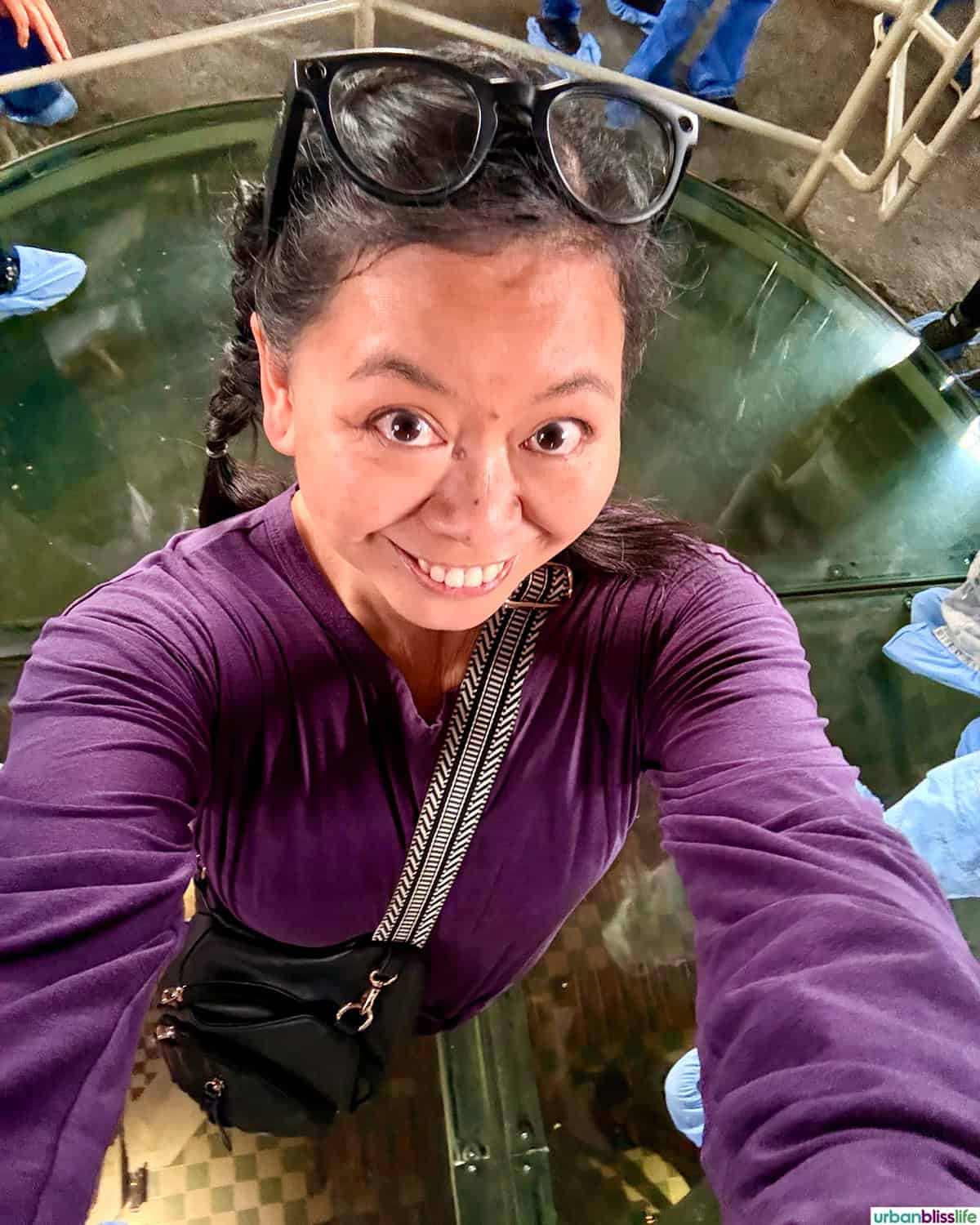
Manizales’ city skyline is dominated by the soaring neo-Gothic spires of the Cathedral Basilica of Our Lady of the Rosary — and it is magnificent.
Located at Plaza de Bolívar, it is the tallest cathedral in the country, standing at approximately 106–115 meters high. It is also one of the largest cathedrals in Latin America.
The cathedral was built between 1928 and 1939 and is marked by 141 stained glass windows. It’s a beautiful structure, but for me, the real prize lies in what awaits you at the top of the cathedral.
You can climb all 395 steps through narrow spiral staircases inside the towers. When you emerge at the top, you’re rewarded with arguably the best 360-degree view of the city. The red-tiled rooftops, the green mountain valleys, and — on a clear day — the cone of Nevado del Ruiz in the distance. Bring your camera, and your cardio!
🫏 Mule riding at La Juana
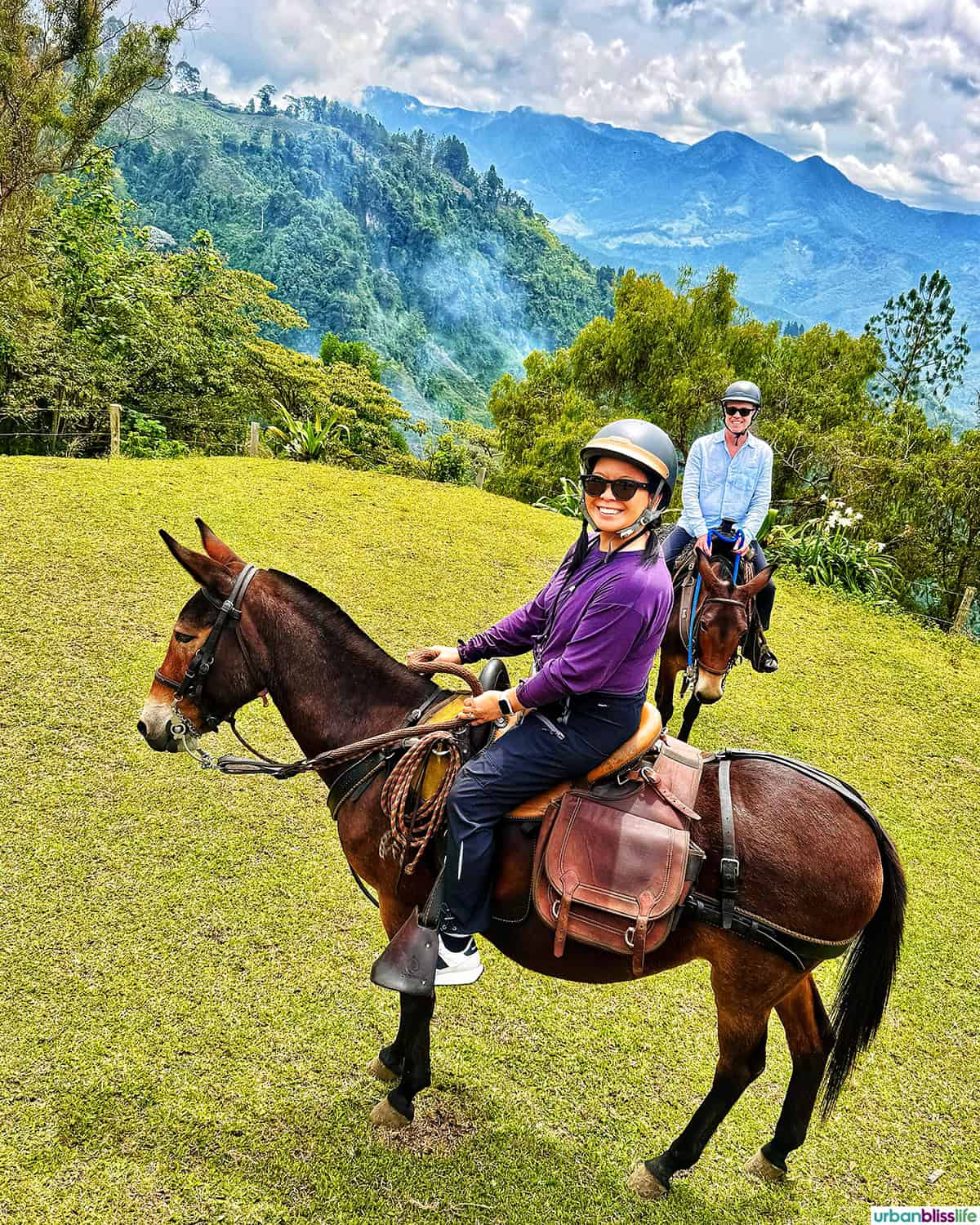
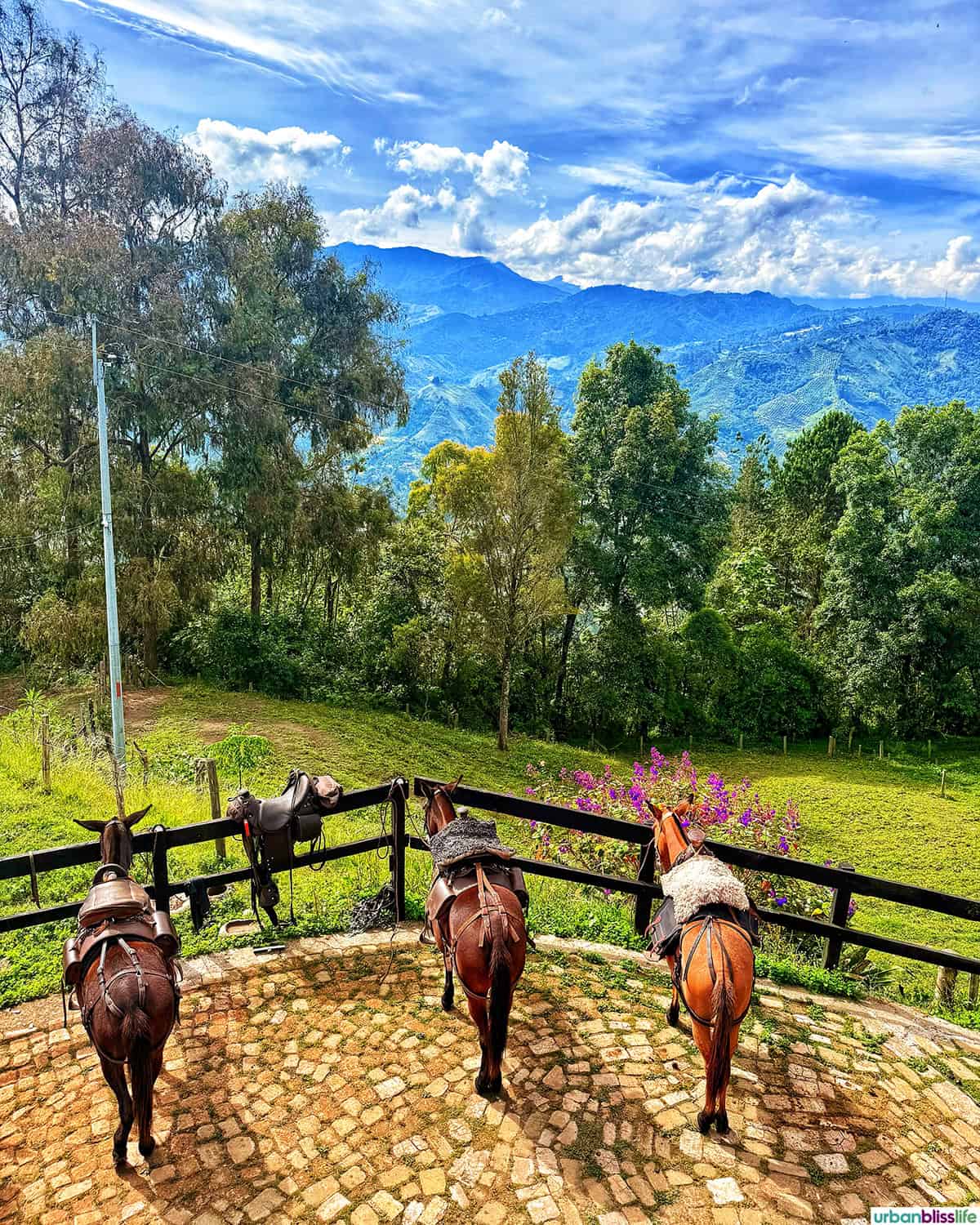
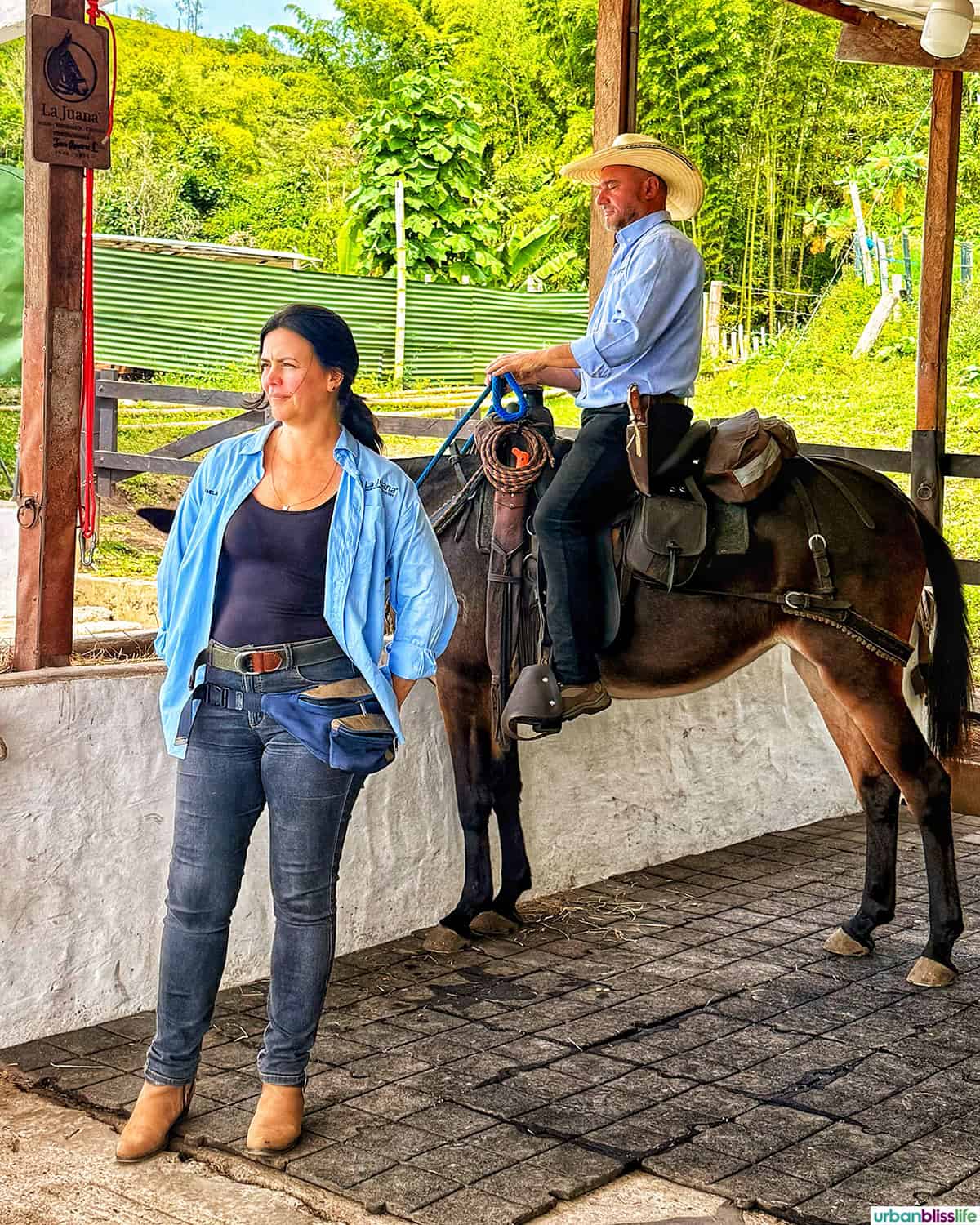
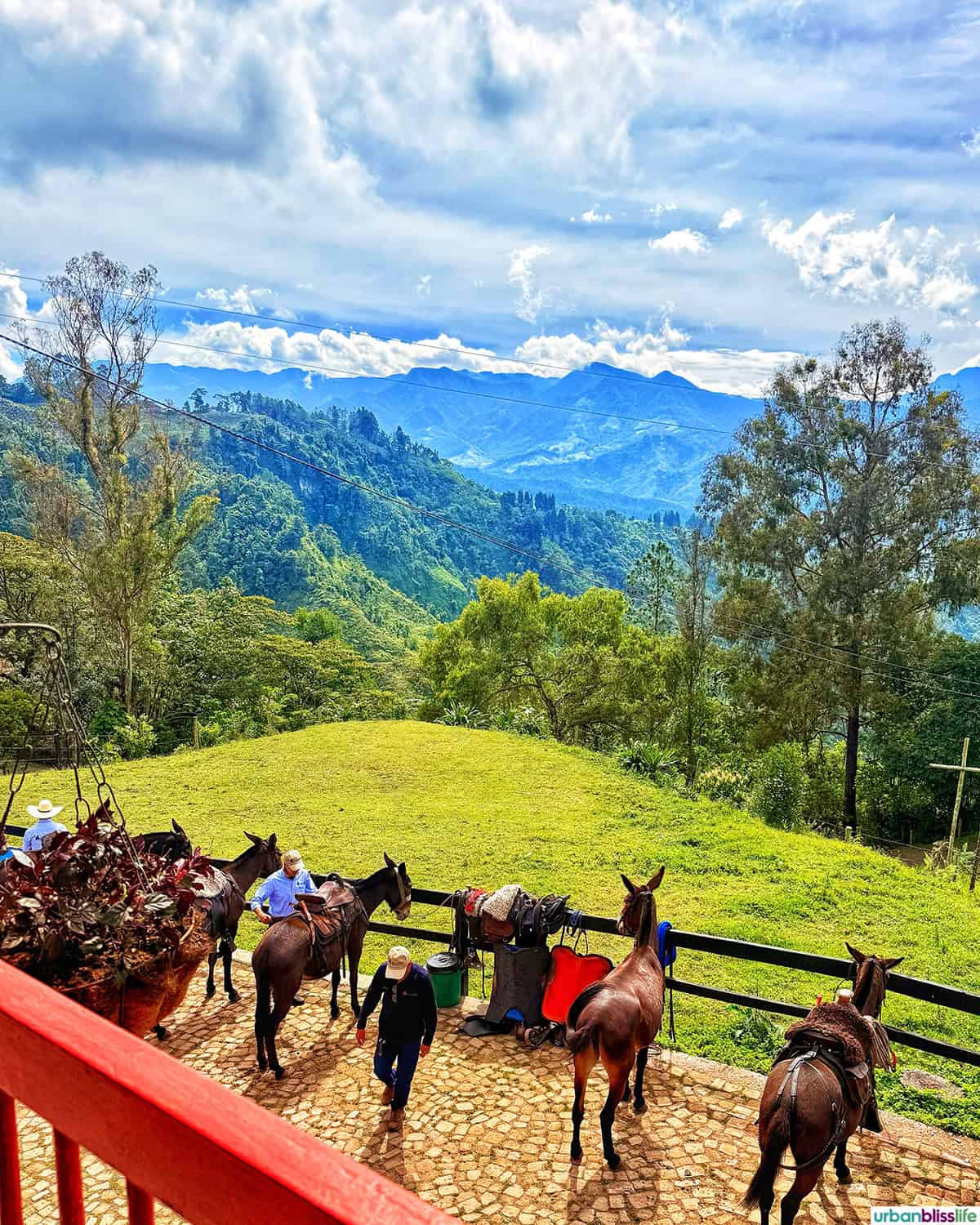
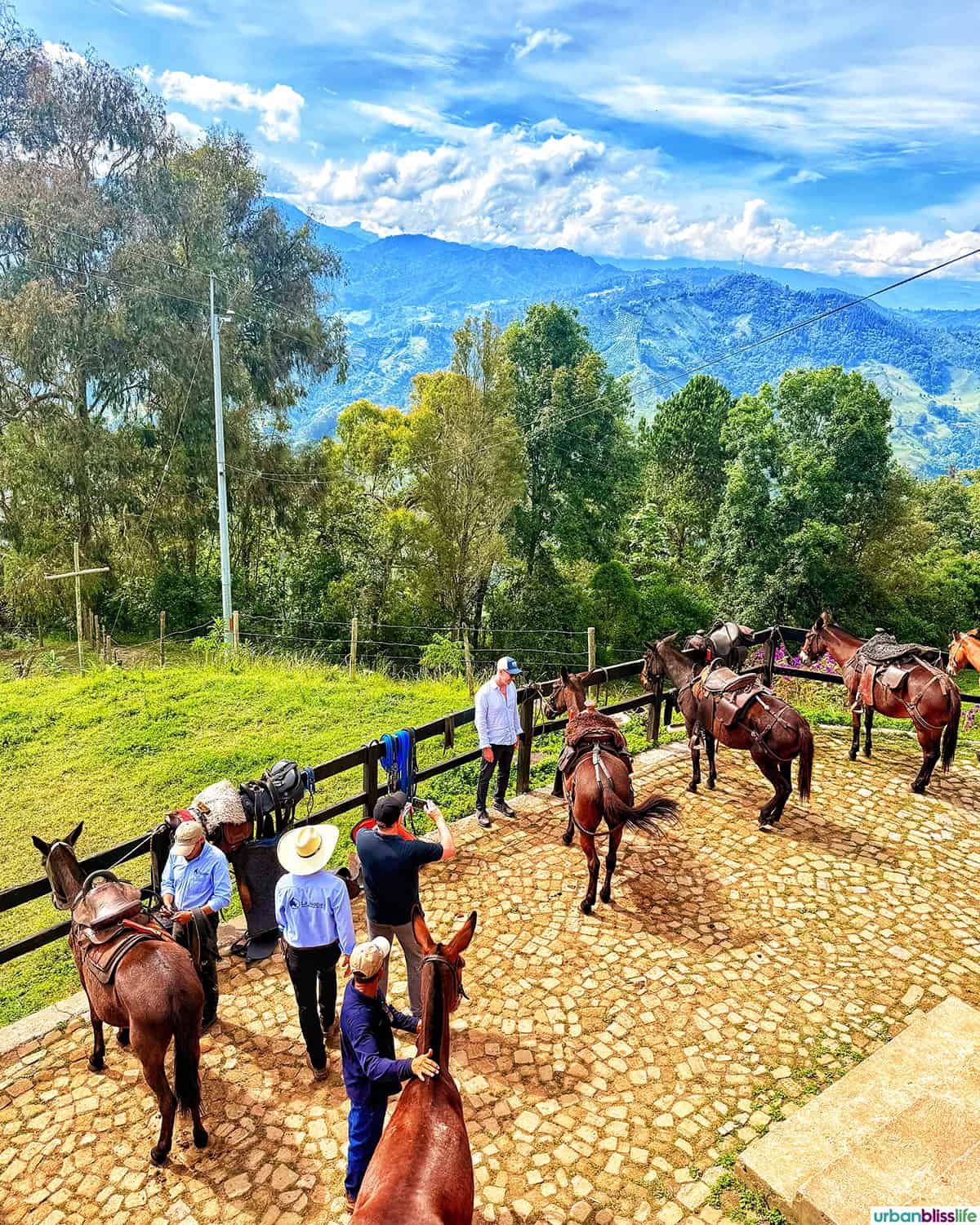
Another can’t-miss Manizales experience: riding mules at La Juana, a working coffee finca in the mountains just outside the city.
La Juana offers guided rides through the farm and surrounding landscape, connecting you with the traditional way farmers have navigated these steep Andean hillsides for generations.
No riding experience necessary. The owners are used to working with visitors of all ages and riding experience levels.
They also take such loving care of the mules at La Juana. The mules are sure-footed and know what they’re doing. Plus, the views are stunning.
🍽️ Dining at Hacienda Charrascal
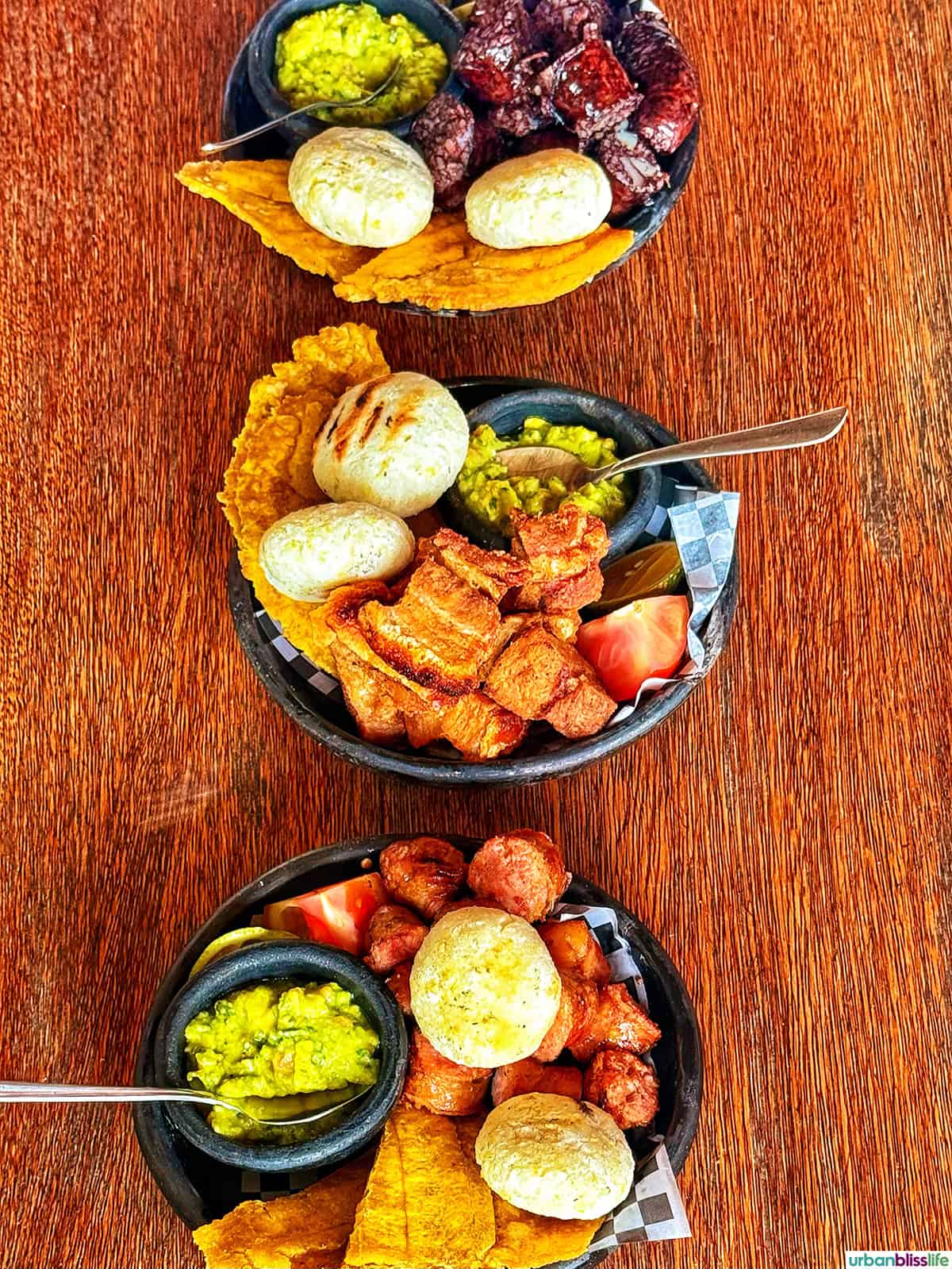
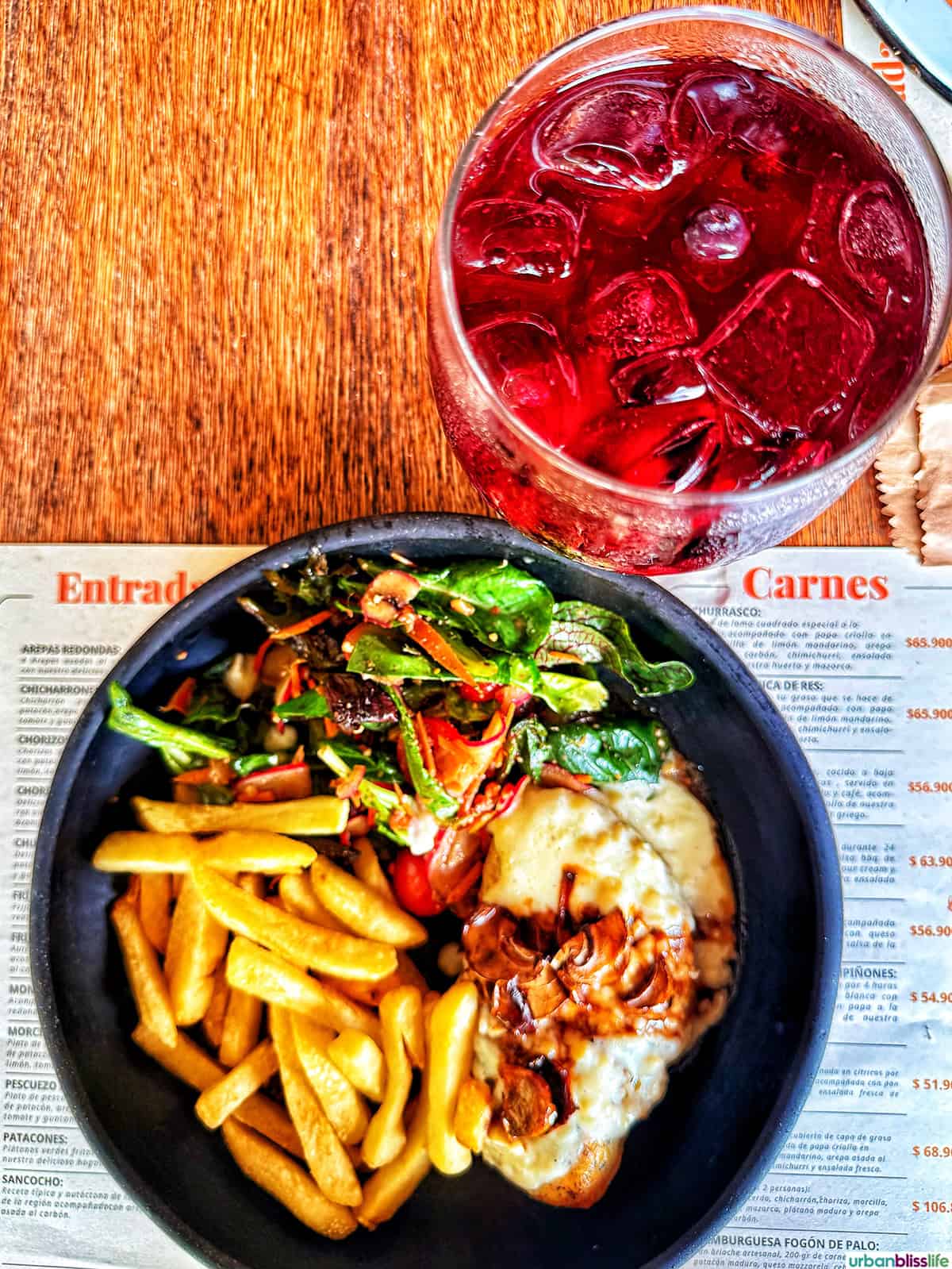
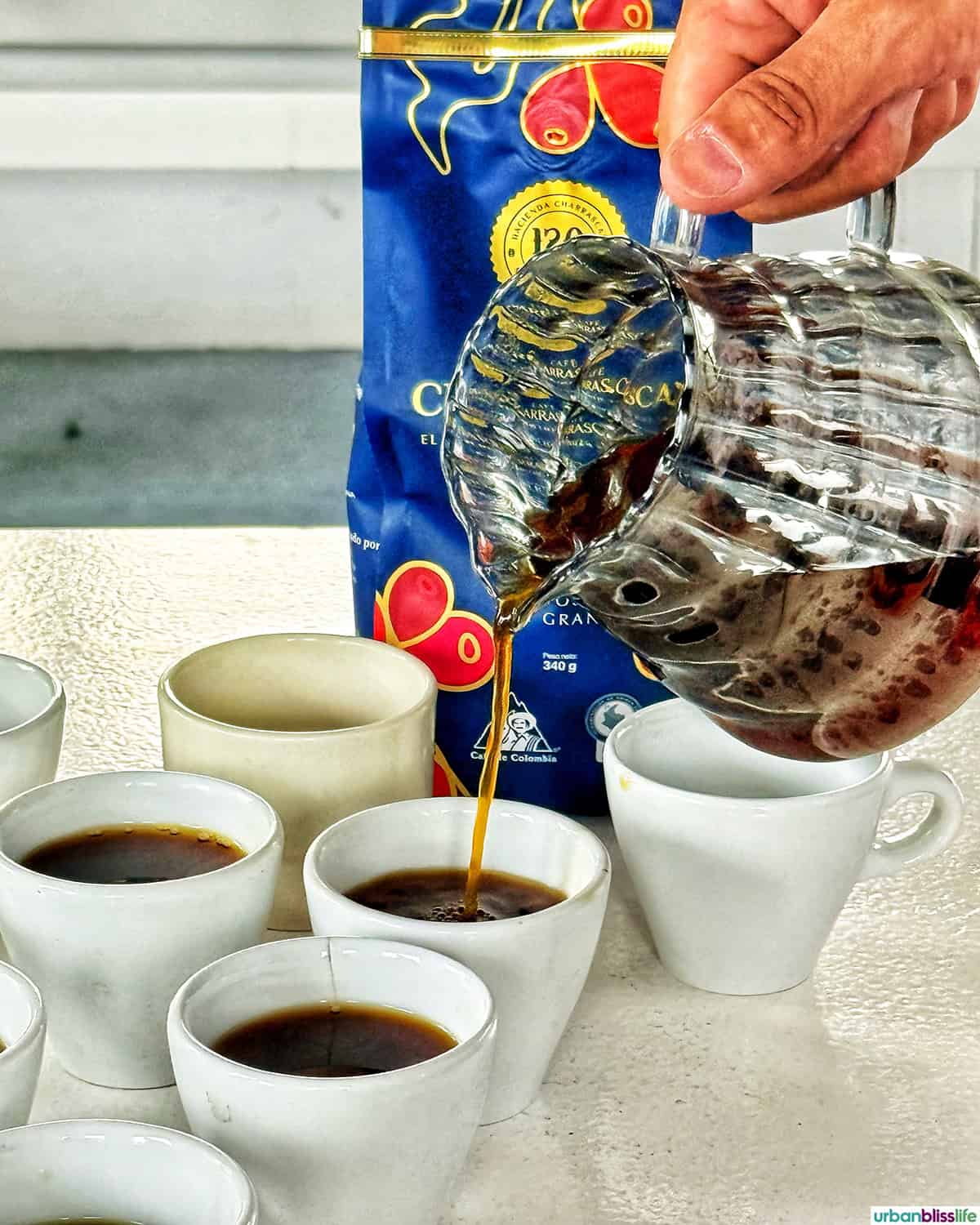
Just when you thought one hacienda experience was enough, Hacienda Charrascal sweeps in with exceptional food and its own fantastic coffee tour.
This stunning finca combines elegant farm-to-table dining with an immersive coffee experience on beautifully maintained grounds.
Dine on regional Colombian cuisine prepared with produce grown on or near the property. Think hearty mountain dishes elevated with real culinary care.
Then take the coffee tour to see how Charrascal’s beans are grown, processed, and roasted. It’s the perfect blend of gastronomy and agriculture, and the setting is gorgeous.
Where to stay in Manizales
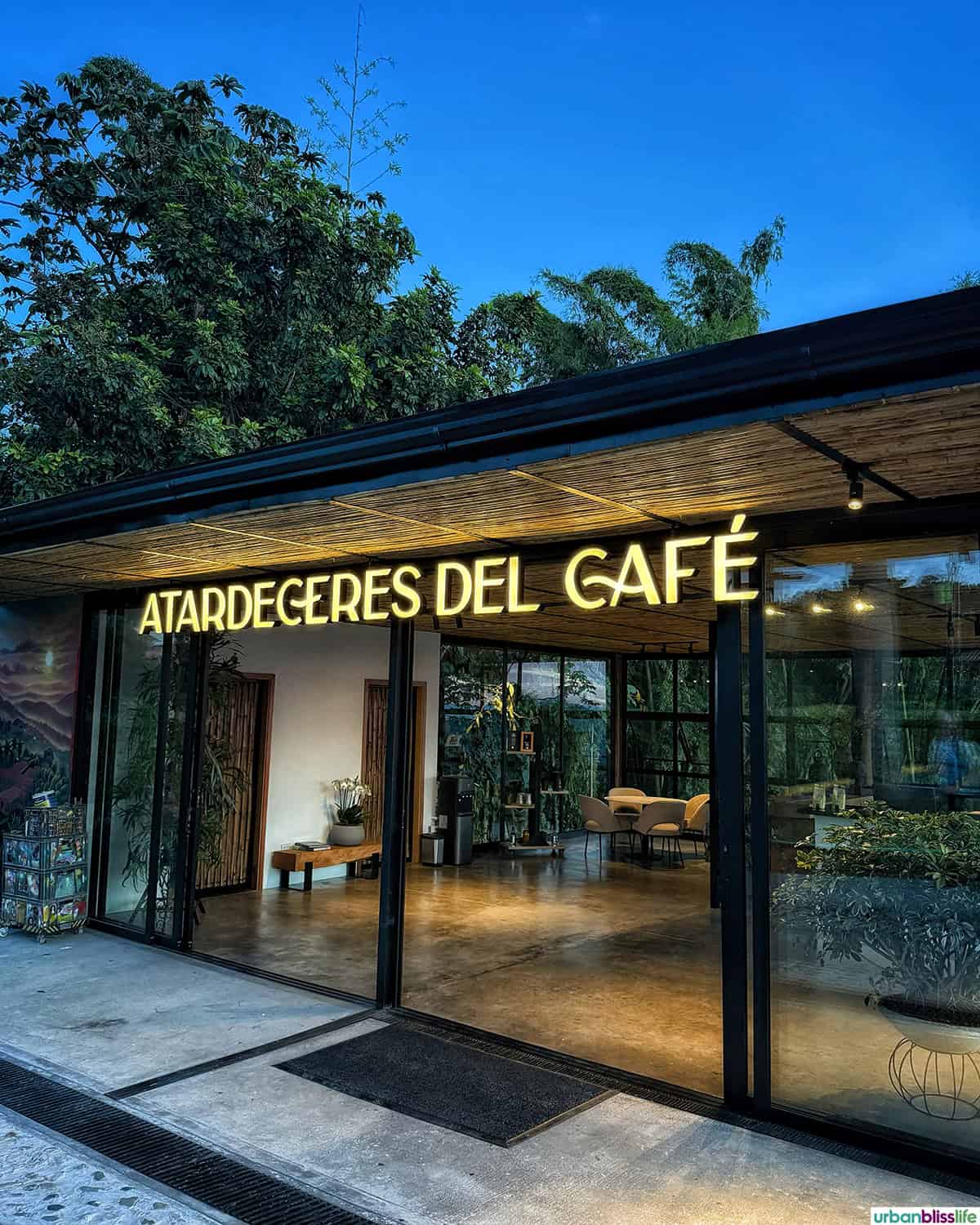
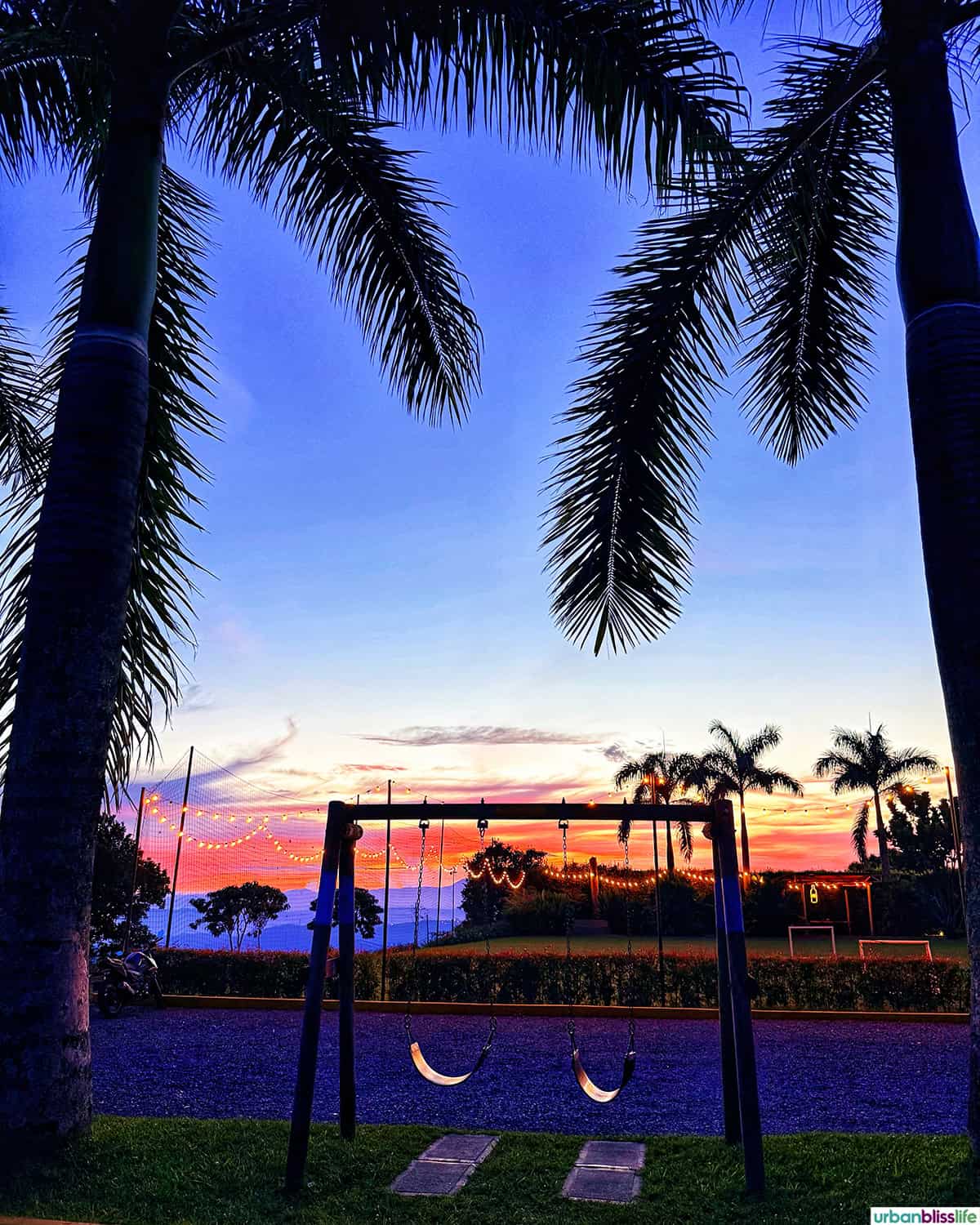
🌅 Atardeceres del Café
The name means “Coffee Sunsets” and this boutique hotel absolutely delivers on that promise.
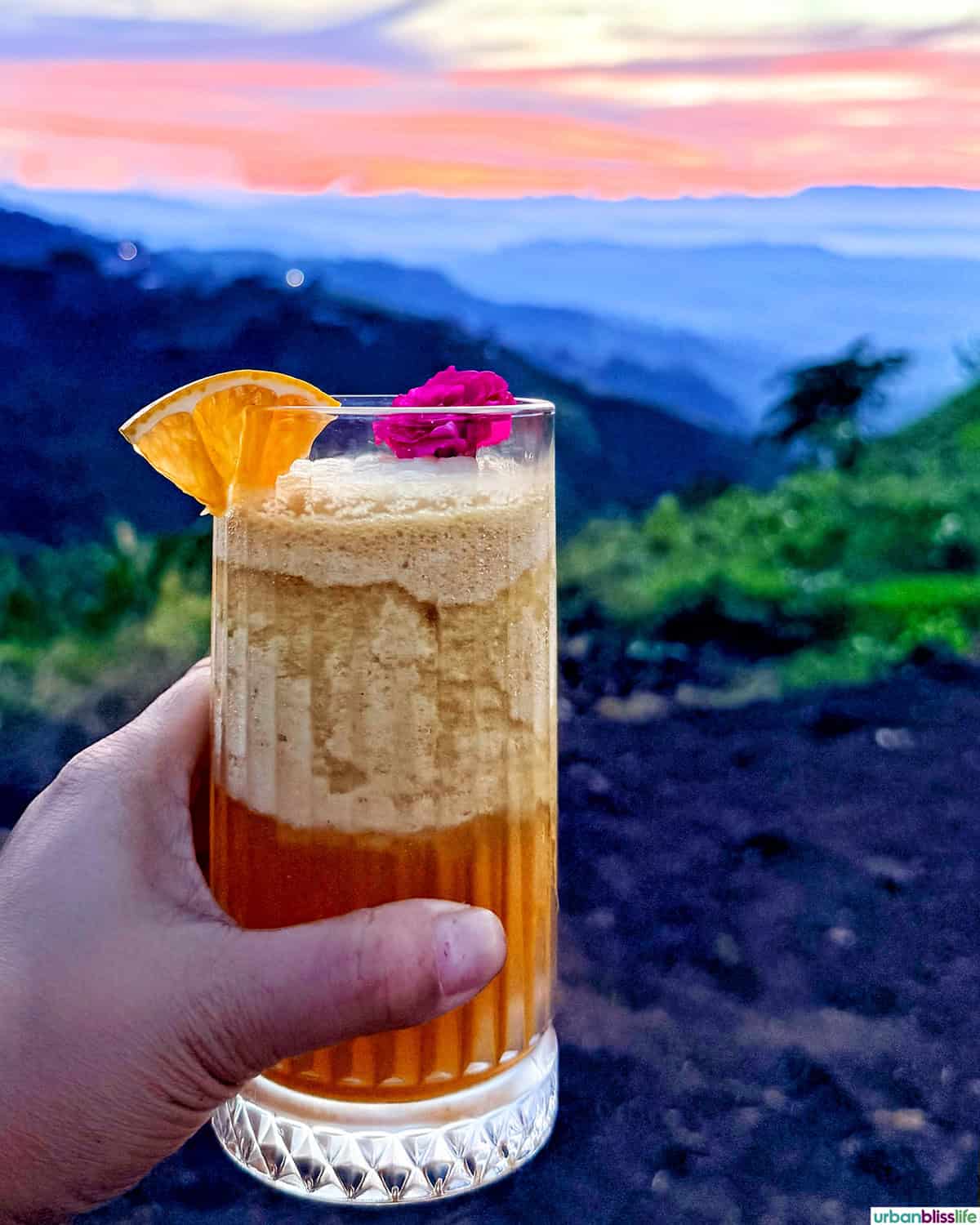
Perched high on a hillside outside the city, Atardeceres del Café offers panoramic views across coffee farms and Andean valleys that are genuinely stop-you-in-your-tracks stunning.
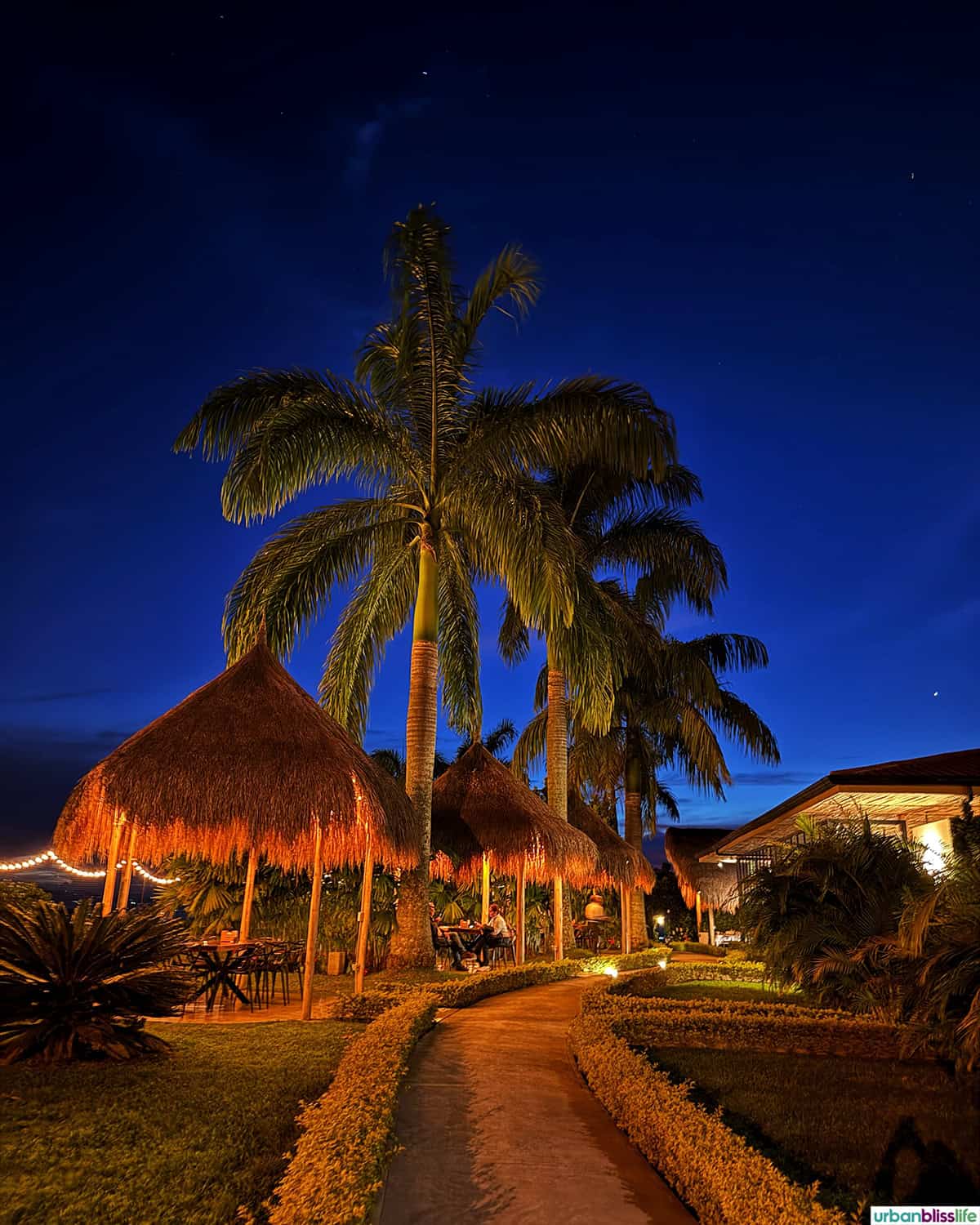
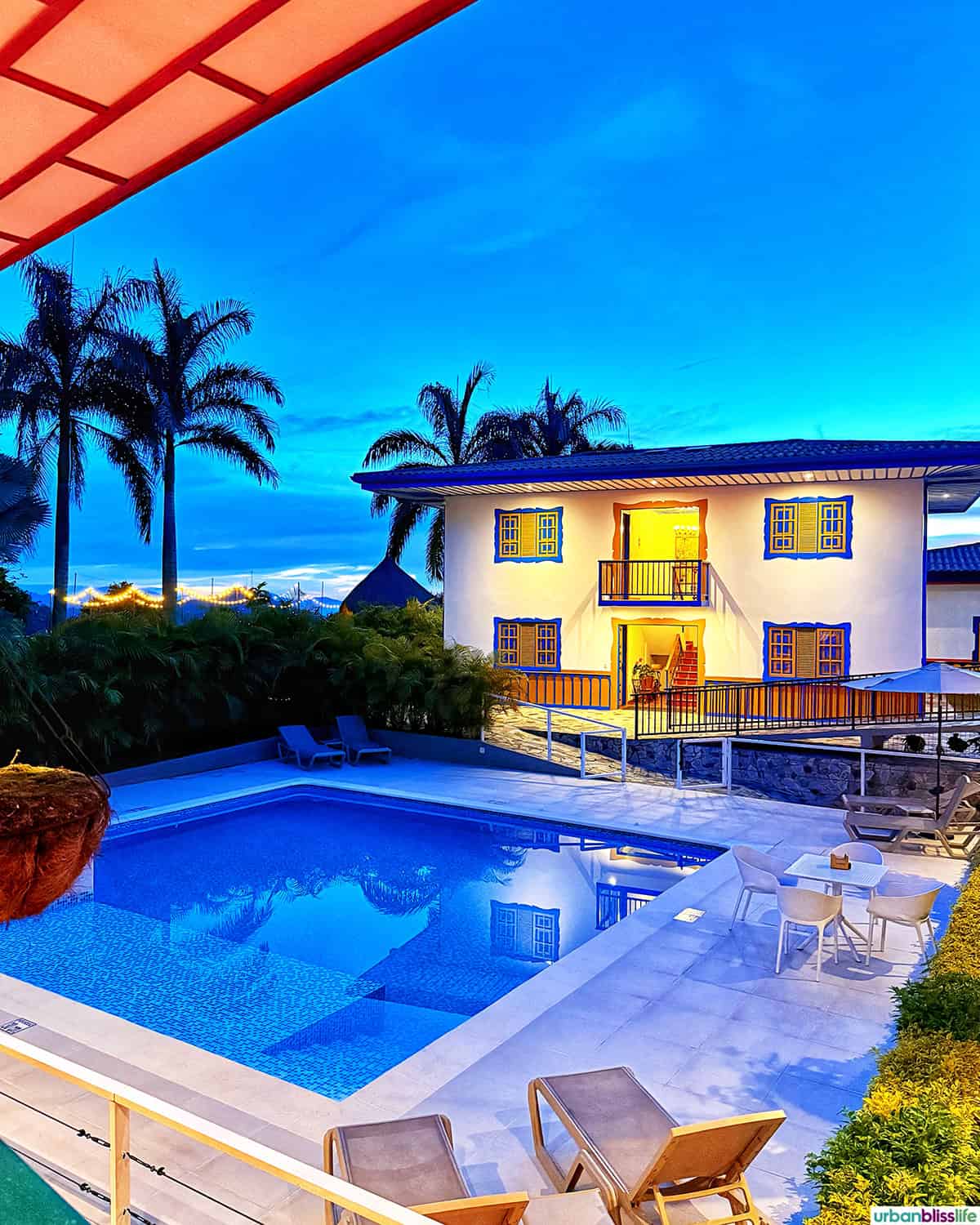
Wake up to mist rising over the mountains. Sip your morning coffee as the sun burns through the clouds, and watch the valley turn gold at dusk.
The property itself is beautifully designed with warm, locally inspired interiors. And the service here is friendly, helpful, and attentive.
🧖 Termales del Otoño
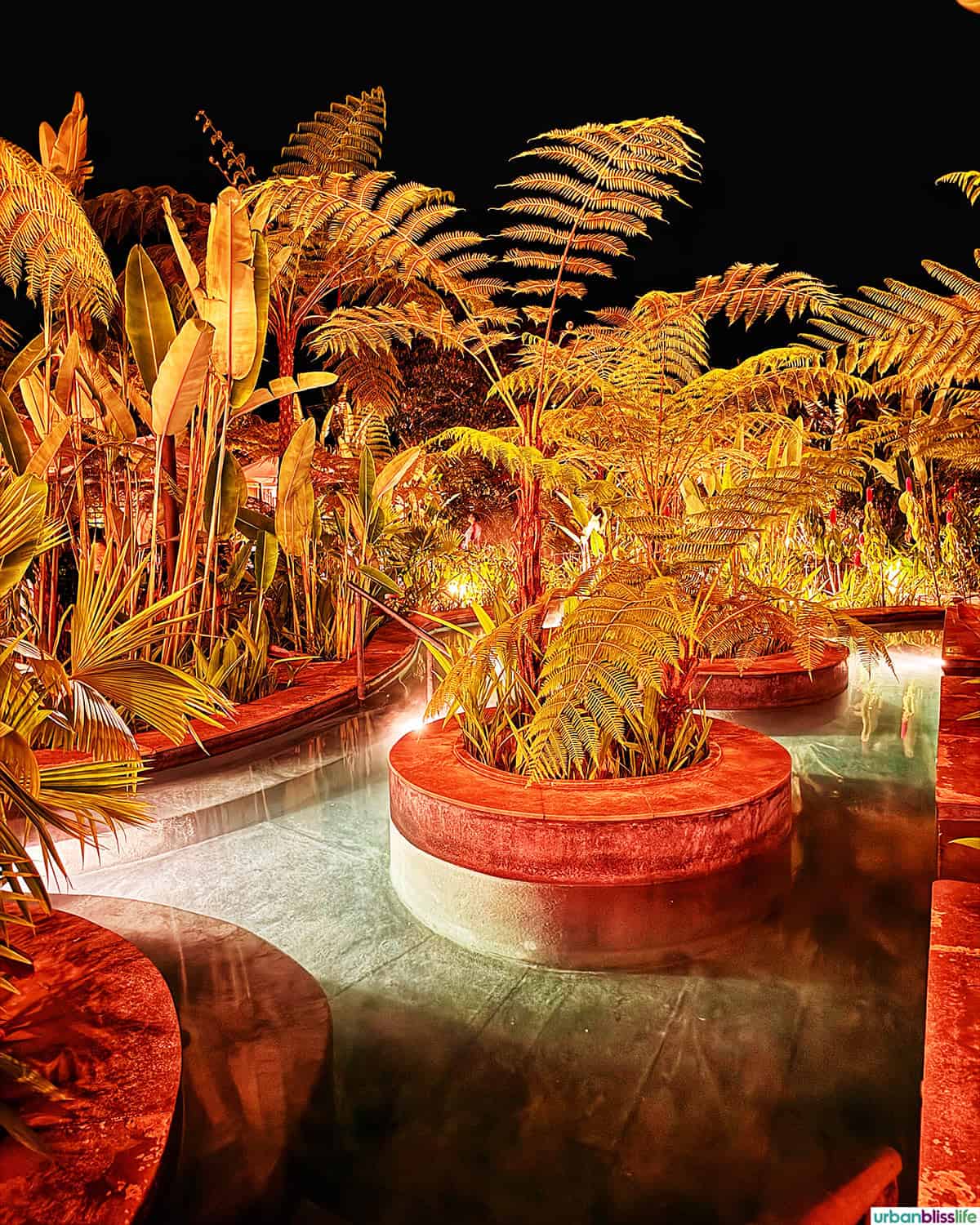
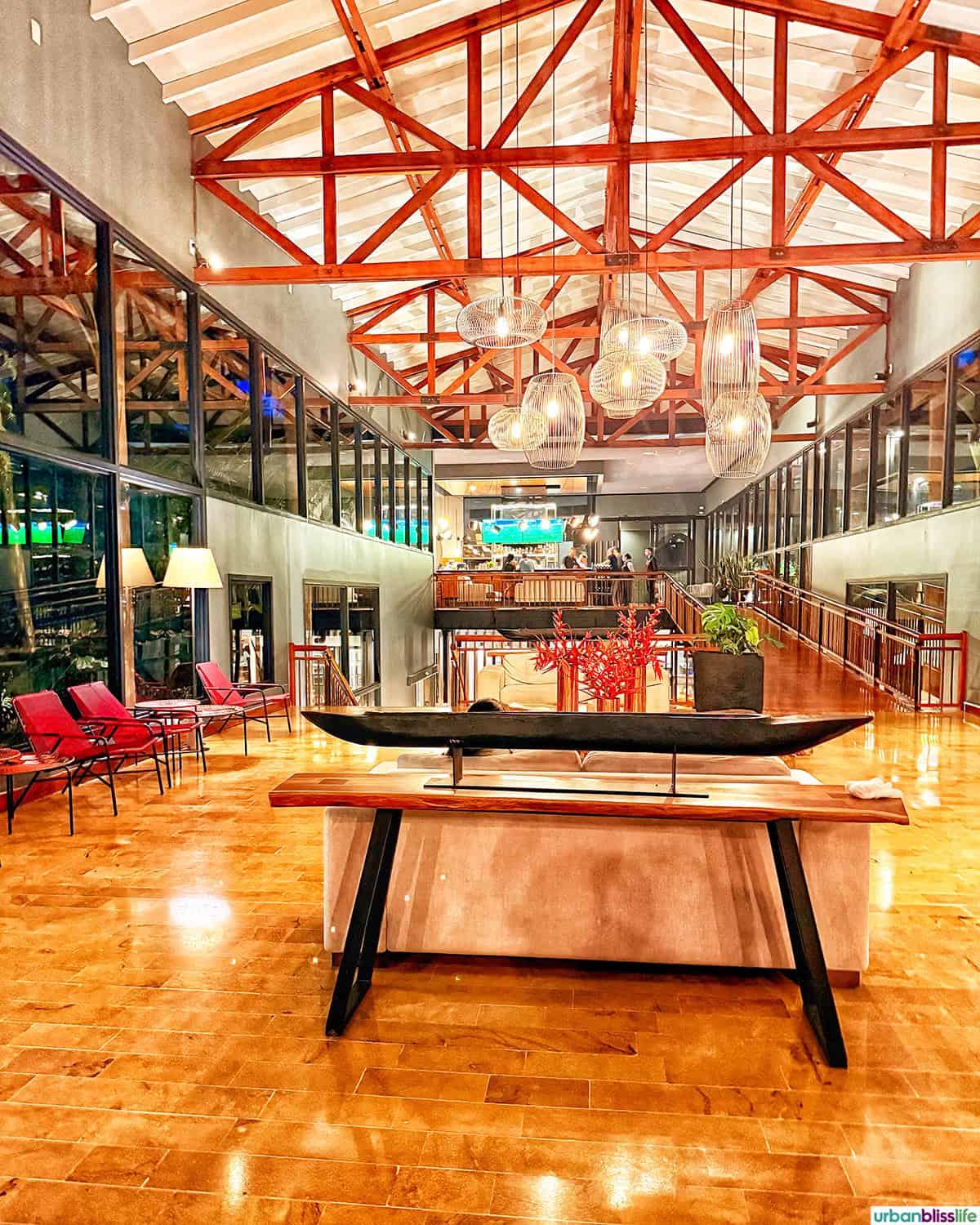
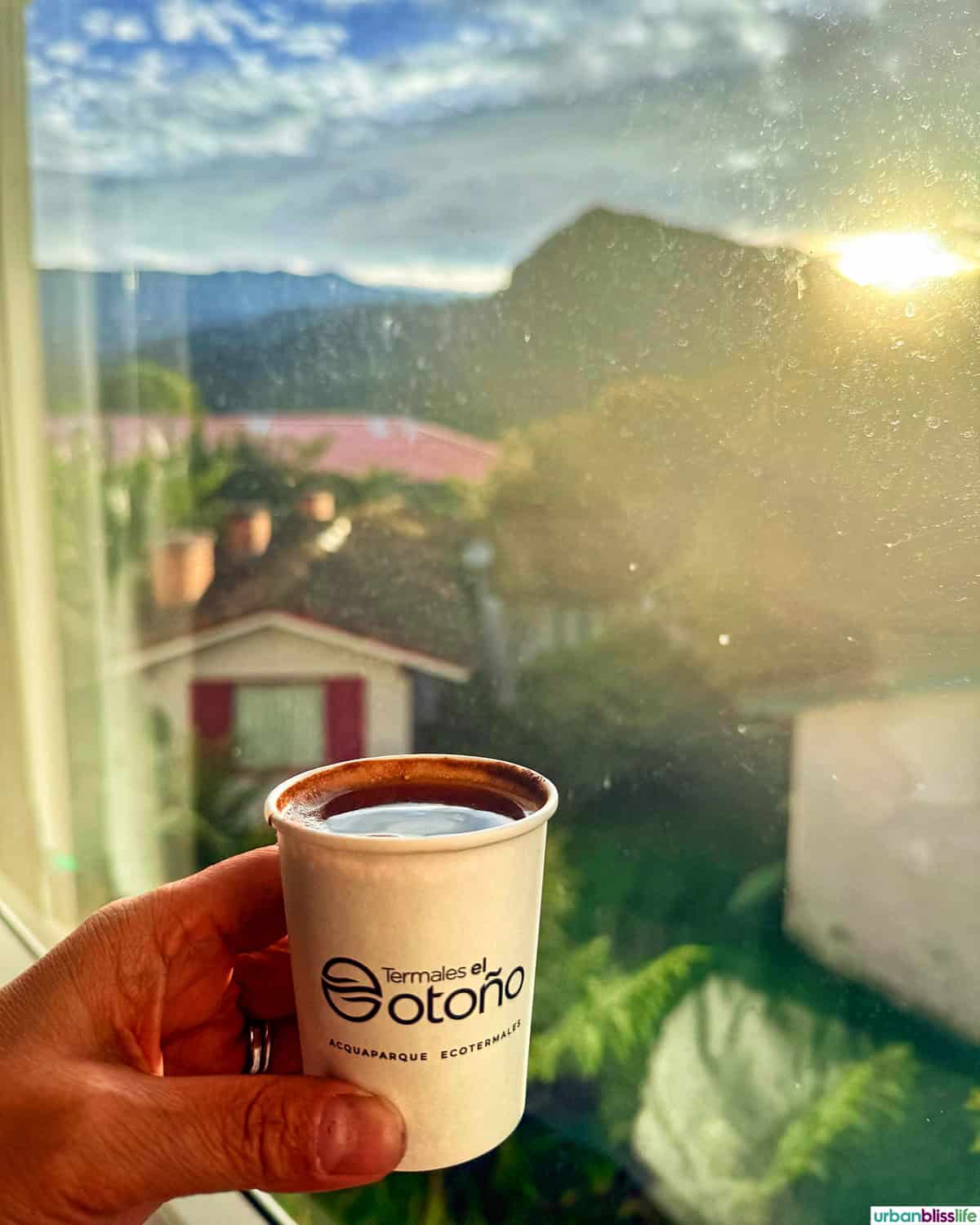
If your body has earned a rest after all those cathedral stairs and mule rides, Termales del Otoño is your reward (it certainly was mine!).
This thermal spa resort sits in a lush mountain valley and is fed by natural geothermal springs from the volcanic activity of the Andes. The water is warm, mineral-rich, and utterly therapeutic.
The hotel complex features multiple pools at different temperatures, surrounded by tropical vegetation and the sound of mountain streams.
Soaking under the stars is genuinely one of the most peaceful experiences in the region. I wish I had more time here; I would have stayed in those thermal spas forever!
The rooms and bungalows are comfortable and beautifully set within the nature reserve grounds. My room was huge, and I loved my sunrise view of the mountains from my window.
If relaxation and rejuvenation are on your agenda (and after a week of exploring, they should be), this is the place.
What to pack for a trip to Manizales

When packing for a trip to Manizales, think layers.
At 2,150m altitude, Manizales is noticeably cooler than the coast. Daytime temperatures hover around 17–22°C (63–72°F), and evenings can be chilly.
Pack:
- lightweight layering sweater
- a waterproof jacket (afternoon showers are common)
- lightweight long pants (for mule riding, hiking)
- comfortable walking shoes with grip (the city is hilly, and for mule riding)
- and one cute dress or blouse with pants outft for nicer dinners.
- Don’t forget: sunscreen and bug spray.
If you’re heading to Los Nevados, add thermal layers and warm hiking gear.
Manizales FAQs
Yes — Manizales is considered one of the safer cities in Colombia, and it has a welcoming, student-city atmosphere that makes it feel comfortable for solo travelers. As always, use common sense: take licensed taxis or InDriver rather than walking alone at night, keep valuables discreet, and ask your hotel for current neighborhood advice. Colombia has evolved enormously as a travel destination, and Manizales tends to feel genuinely low-key and friendly.
The Colombian Peso (COP). As of 2025, roughly 4,000–4,200 COP equals $1 USD, though rates fluctuate. ATMs are widely available in Manizales and most accept international cards (look for Bancolombia or Davivienda). Carry some COP cash for smaller towns, farm visits, and tips. Credit cards are accepted in most hotels and restaurants.
Spanish is the main language in Manizales, and most of Colombia. Manizales is not a heavily touristed city, so English is not widely spoken outside of upscale hotels and major hacienda tours. Download Google Translate and the offline Spanish language pack before you go. A phrasebook goes a long way. That said, Colombians are patient and enthusiastic communicators — pointing, smiling, and a willingness to try will get you far.
Manizales has two dry seasons: December–February and June–August. These are your best bets for clear mountain views, volcano sightings, and outdoor activities. The wet seasons (March–May and September–November) bring lush green landscapes but also more cloud cover and afternoon rains. I visited in April, and it was warm but we had thunderstorms on and off. The big bonus of visiting in January? The Feria de Manizales festival.
Three to five days is the sweet spot. That gives you time for a hacienda coffee tour, the cathedral, a thermal spring soak, an evening in the Chipre neighbourhood, a day trip to Cocora Valley, and still have a lazy morning lingering over the best coffee of your life.
Restaurants in Colombia typically add a 10% propina voluntaria (voluntary service charge) to your bill. While you can decline it if service was poor, most people pay it. For exceptional service, an additional tip is appreciated but not expected. Tip hacienda guides directly in cash; a few thousand pesos goes a long way and is genuinely appreciated. Tip taxi drivers by rounding up the fare.
Marlynn’s Tip
Altitude adjustment
At 2,150m (7,054 ft), Manizales is high enough that some visitors notice mild altitude effects. You might experience slight breathlessness, fatigue, or headache in the first day or two. Stay hydrated, take it easy on arrival day, and avoid heavy alcohol the first night. Most people acclimatize quickly and feel completely fine within 24–48 hours. If you’re heading up to Los Nevados (which goes much higher), allow several days of acclimatization in the city first.
Book your next trip to Manizales
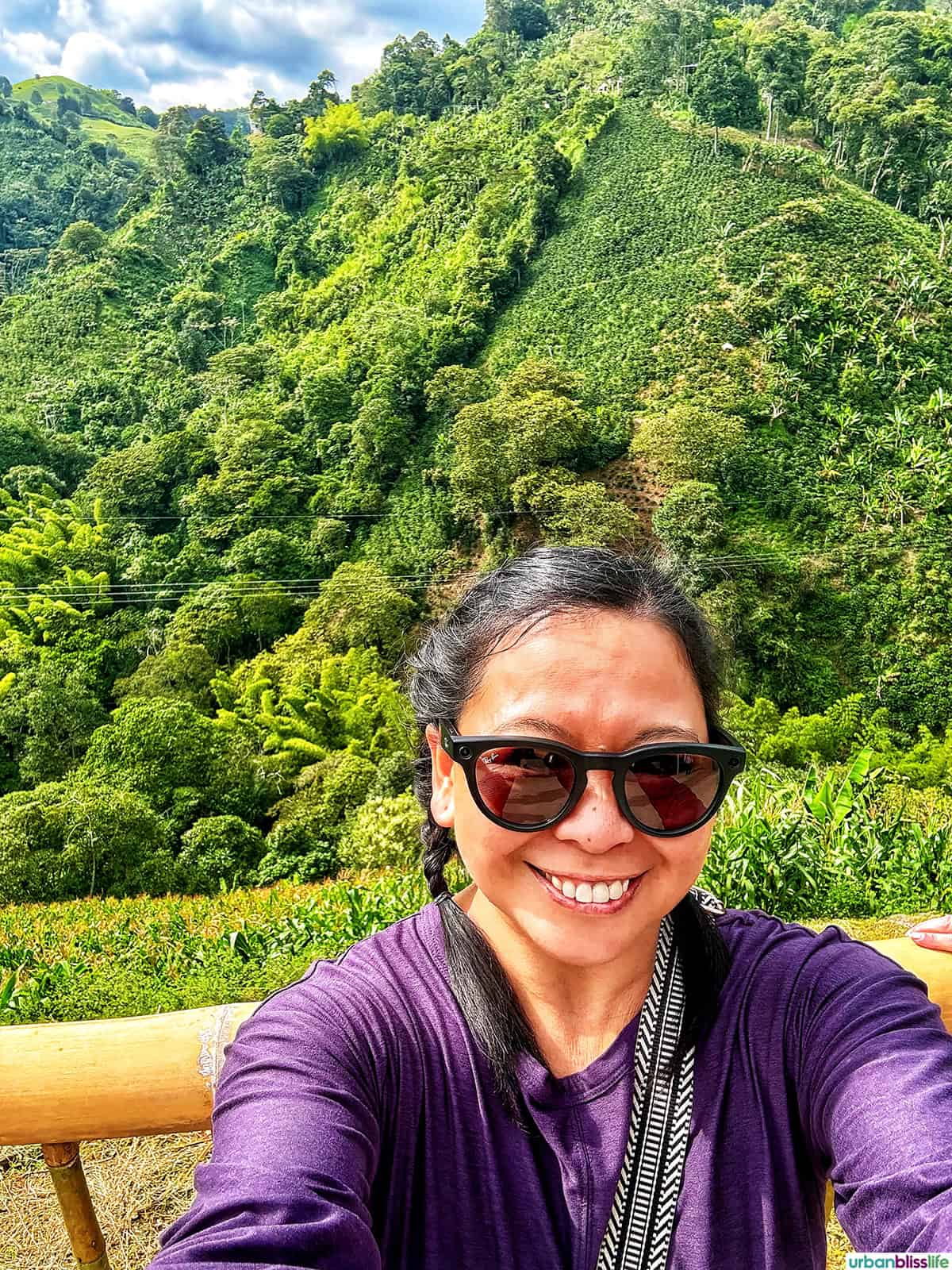
Ready to book? Manizales won’t stay a secret forever, so I’d suggest going in the near future. And honestly, after a cup of coffee on a hilltop hacienda watching the mountains turn varying shades of pink at sunrise, you might want to keep it that way.
If you visit, please be sure to let them know that you read about it on Urban Bliss Life! And if you snap some pics, tag us @UrbanBlissLife and #UrbanBlissLife on Instagram, TikTok, Twitter, and Facebook.
More Colombia travel articles

✈️ Planning a trip?
Here are my favorite items and resources I use whenever I travel.
🧳 Away Luggage – I’ve traveled all over the world with Away luggage and can’t say enough about their durability and style.
🎒 Backpack – This is my go-to travel backpack. It has pockets everywhere and enough space to fit everything from my laptop to extra shoes.
📍Apple Air Tags – I always hide these airtags away in my luggage, especially if I check bags. That way I can track them and know exactly where they are.
👚 Packing cubes – Take the stress out of packing and make sure everything fits in your bags with this set of compression packing cubes.
⚡️Portable charger – I always travel with a portable power bank for my devices, and I’ve found this one to be the most reliable and long-lasting.
🔌 Travel adapter – Planning to travel to multiple countries? I use this all-in-one international travel adapter to make sure my devices work wherever I go.
🛩 Flights – I’ve found the best savings savings on flights here.
🏨 Hotel – I always snag the best lodging deals with this booking tool.
🚙 Rental cars – You can get some great savings on rental cars on this site.
I use all of these products and earn a small commission through these affiliate links.
Many (but not all) of the experiences written about in this article were from a hosted press trip through the Society of American Travel Writers, ProColombia, and Colombia Travel. All opinions and photos are, as always, my own.